3 Quick and Effective Ways to Defrost Fish Without Losing Flavor or Quality
Defrosting fish incorrectly can compromise its flavor and freshness. However, a chef from a restaurant shared 3 simple methods to defrost fish without submerging it in water, ensuring it remains as fresh as when it was caught. These tips are excellent for preparing perfect dishes right from the start.
Fish is an important part of family meals, often enjoyed during holidays or when hosting guests. It symbolizes longevity and good wishes, making it a key part of celebratory meals. Besides, fish is rich in protein, low in fat, and nutritious, especially for children and the elderly, offering many health benefits when included in the diet.
Today, many families buy fish and store it in the freezer for convenience. While freezing fish is easy, proper defrosting is essential to retain its quality. Here are 3 tips shared by the chef to defrost fish while preserving its freshness:
1. Defrosting with Saltwater

You can use saltwater to defrost fish. Prepare a large bowl, add a tablespoon of salt, and pour water until the fish is fully submerged. Stir the water until the salt dissolves completely, then add the frozen fish to soak in the solution.
Salt helps defrost effectively, much like how it melts ice. After about 15 minutes, check the fish. If it's defrosted and still fresh, you can proceed with cooking right away.
2. Defrosting with White Vinegar
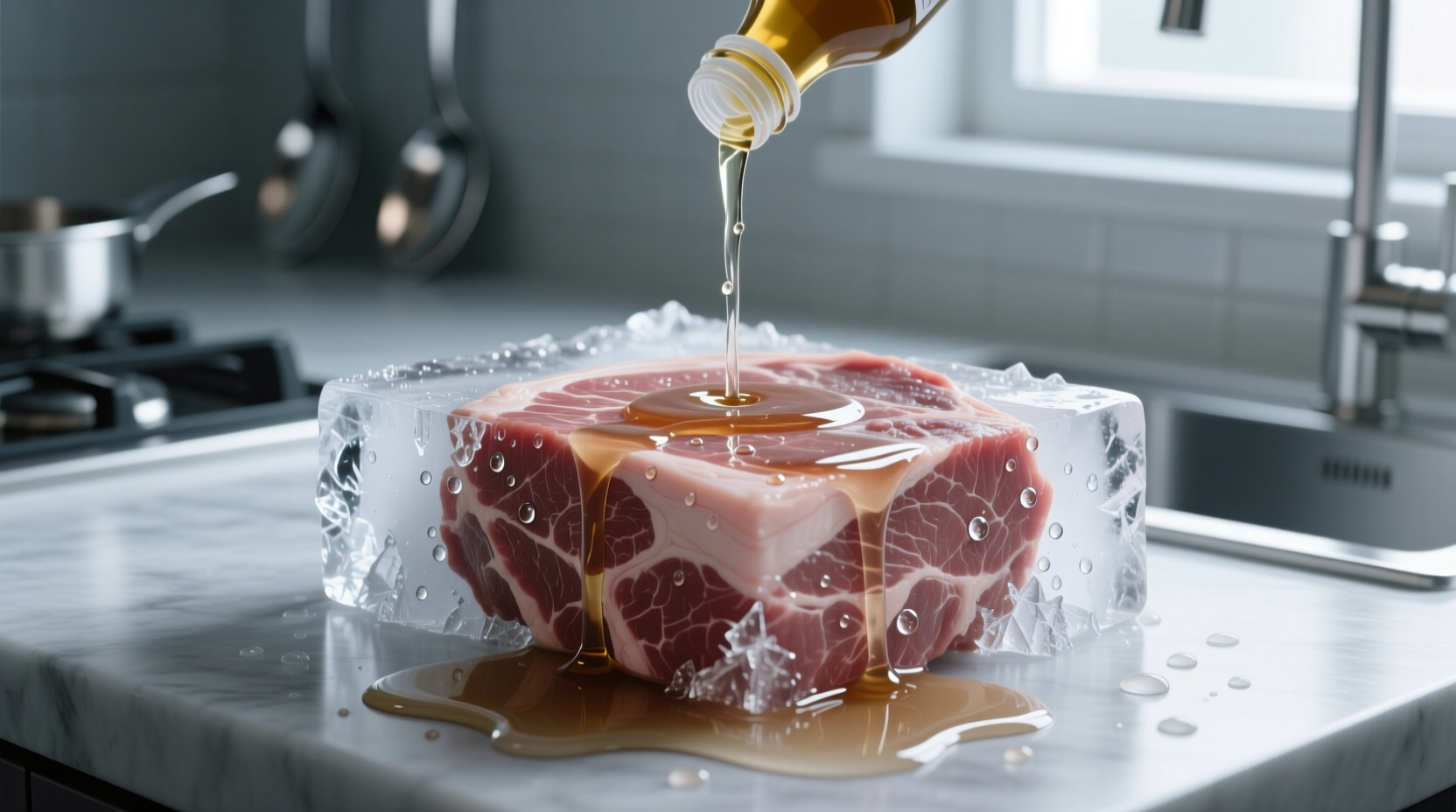
Another method is to use white vinegar. Prepare a large pot, add a sufficient amount of white vinegar (but don't add too much to avoid making the fish sour).
Stir the mixture and then immerse the frozen fish. While this method takes a bit longer than using saltwater, after about 20 minutes, the fish will be soft and fresh, ready for cooking.
3. Defrosting in the Microwave
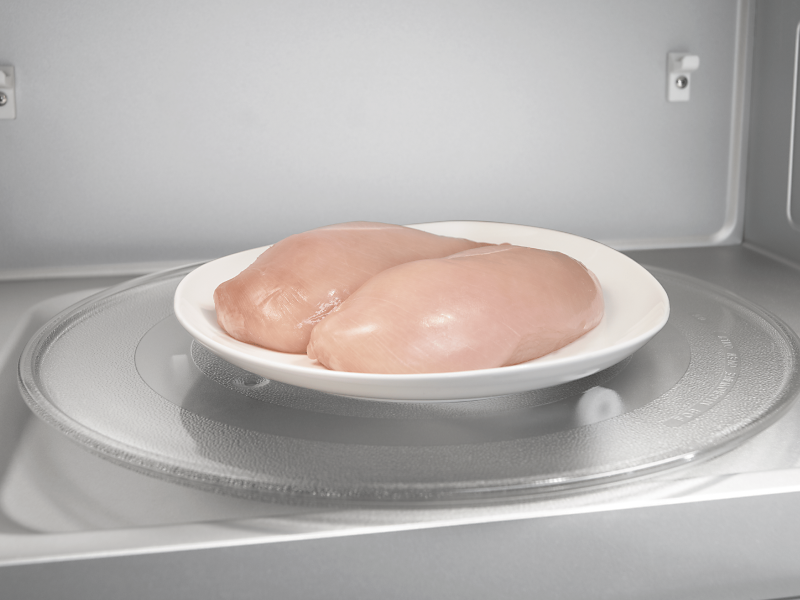
Defrosting fish in the microwave is a quick and convenient option. Simply take the fish out of the freezer, place it in the microwave, and set it to the defrost setting with low heat. Leave it in the microwave for about 3 minutes, then check the progress.
If it's not fully defrosted, you can microwave it for an additional 1-2 minutes until it’s completely soft. This method can also be used for pork and helps defrost quickly without sacrificing flavor.
Note: Avoid defrosting fish in cold water or boiling water, as this could affect the fish's quality.
By following these methods, you can defrost fish efficiently while keeping its taste and texture intact, allowing you to enjoy fresh meals every time.
The Best Way to Thaw Fish While Keeping It Tender, Moist, and Delicious
Although frozen fish is convenient, the way it is thawed can make a noticeable difference to the final dish. A fillet that is handled carefully may retain a pleasant texture and delicate flavor, while one that is thawed improperly can become watery, mushy, or dry after cooking.
The good news is that preserving fish quality does not require complicated equipment or expensive ingredients. Understanding how freezing affects fish, choosing the right thawing method, and following a few simple precautions can help you prepare better meals at home.
Why Does Fish Sometimes Become Mushy After Thawing?
Fish contains a large amount of water, and its delicate muscle structure is more fragile than that of many meats. When fish freezes, the water inside its tissues forms ice crystals. Depending on the freezing speed, storage conditions, and temperature fluctuations, these crystals can damage some of the muscle structure.
When the fish thaws, some of the water may escape as liquid. This is known as thawing loss or drip loss.
A small amount of liquid is normal, particularly with frozen fish. However, repeated freezing and thawing, long storage periods, or temperature fluctuations can increase moisture loss and affect texture.
This explains why two pieces of frozen fish may produce different results even when they are prepared using the same recipe.
Fish that was frozen quickly and stored at a stable temperature may retain its quality better than fish that thawed partially during transport and was frozen again.
The original quality of the fish matters, too. Freezing does not automatically make poor-quality fish fresh again, and thawing cannot reverse spoilage that occurred before freezing.
For the best results, purchase fish from a reliable supplier, keep it properly frozen, and thaw only the amount you intend to cook.