Why Are Some Window Bars Curved at the Bottom? The Practical Secret Behind This Unusual Design
Have you ever walked past an old apartment building and noticed something unusual about its windows? The metal bars may look perfectly straight at the top, yet near the bottom they suddenly curve outward, creating a small rounded space that resembles a metal basket.
At first glance, the design might seem decorative. Some people assume the curve was added simply to make the building look more elegant, while others believe it is an unusual architectural detail with no real purpose.
But there is often a much more practical explanation.
These distinctive window guards are sometimes called belly bars, potbelly bars, or belly grilles. Their curved shape can provide additional space outside the window while maintaining a protective barrier. In some buildings, that extra space has been used for flowerpots, small decorative plants, or other items that residents want to keep near the window.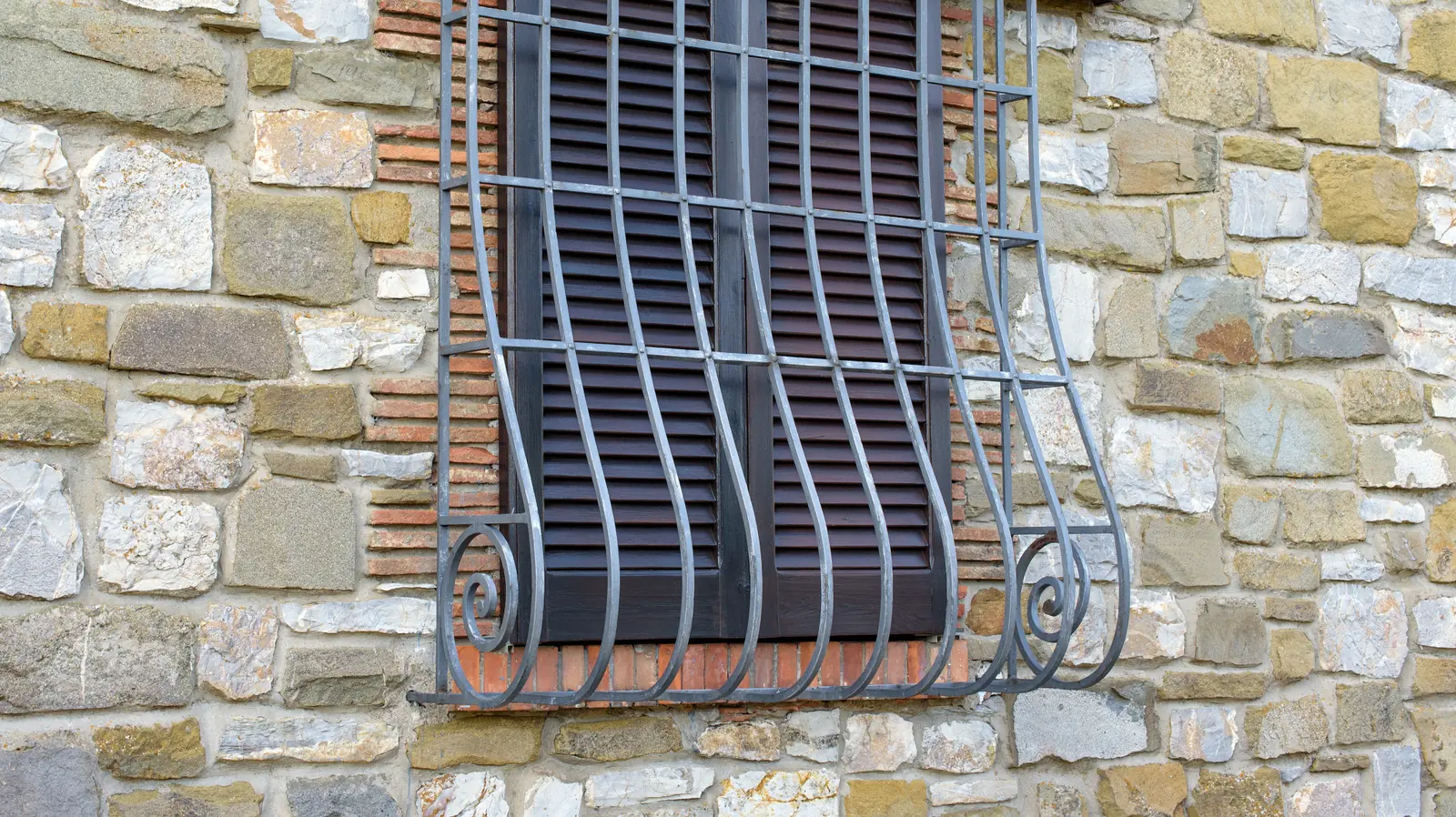
The interesting part is that this is only one possible use. The shape also reflects the way older buildings were designed, how people used their windows before modern conveniences became common, and how architects tried to balance security, ventilation, light, and everyday comfort.
The following article explores the history, practical functions, architectural meaning, and safety considerations behind these unusual window bars, while explaining why their rounded lower sections are more than just an attractive detail.
The Answer: The Curved Section Creates Extra Space
The most common practical explanation is that the outward curve creates a small, protected space in front of the window.
A flat grille sits close to the glass. A curved grille projects farther outward, creating room for things that might otherwise be difficult to accommodate.
Depending on the building, that space may be useful for:
-
Flower boxes and small planters.
-
Decorative plants and herbs.
-
Certain window-mounted air-conditioning arrangements.
-
Greater clearance around the window opening.
-
A more attractive architectural appearance.
The important distinction is that not every curved grille has the same original purpose. Some were designed around practical needs, others were influenced by local metalworking traditions, and many combine both function and decoration. The shape alone cannot establish exactly why a particular building has one.
This distinction matters because popular explanations sometimes present one possible use as the universal historical reason. A more accurate explanation is that the design is adaptable: its outward projection creates useful space while retaining the basic protective function of a window grille.
What Are Potbelly Window Bars?
The window grilles shown in the photograph are a type of outward-projecting security grille commonly known as potbelly window bars or belly grilles.
The name comes from their appearance. Instead of remaining flat against the wall, the lower portion of the grille bows outward, creating a rounded shape similar to a small belly.
Some designs have a gentle curve, while others project significantly from the window. The bars may be made from wrought iron, steel, or other metals, and they can feature simple vertical lines, decorative scrollwork, or elaborate symmetrical patterns.
Although the design is often associated with older European buildings, particularly those in Mediterranean cities, similar grilles can be found in many parts of the world.
The essential feature is not the decoration. It is the extra space created by the outward curve.
Imagine a window protected by a completely flat metal grille. If someone wants to place a flower box outside the window, the bars may leave almost no room between the glass and the planter.
Now imagine that the lower section of the grille curves outward.
The planter can occupy the space created by the curve, while the metal barrier remains in place.
This is a simple example of how a small architectural adjustment can make a window more useful without requiring a balcony or a large exterior structure.
Why Flower Boxes Are One of the Most Common Uses
One of the most familiar uses for potbelly grilles is to accommodate flowers and small plants.
In many older urban neighborhoods, residents live in apartments or houses with limited outdoor space. They may not have a garden, terrace, or private balcony where they can grow plants.
A window can become an important source of sunlight and a convenient place to keep greenery.
However, placing a flower box directly outside a window protected by a flat grille can be difficult. The planter may interfere with the bars, or there may not be enough room for it to sit securely.
The curved section solves this problem by creating a small pocket in front of the window.
A planter can fit into that space, depending on the grille's dimensions and construction. Some residents use separate brackets or supports, while others use specially designed boxes that fit the shape of the metalwork.
The result is a small garden that appears to extend from the building.
This is particularly attractive in streets where many homes have similar windows. A row of curved grilles decorated with flowers can transform an otherwise plain façade into something colorful and welcoming.