Cancer is a complex group of diseases that often develops gradually, sometimes without obvious symptoms in the early stages. While many warning signs can appear during the day, the body may also send subtle signals at night, especially when you are resting and more aware of physical changes.
It is important to understand that these symptoms do not automatically mean cancer. However, if they are persistent or unexplained, they should not be ignored. Early awareness and timely medical evaluation can make a significant difference in outcomes.

Why Nighttime Symptoms Matter
During sleep, the body enters a restorative state. Hormone levels shift, immune activity changes, and the body focuses on repair and recovery. Because of this, certain symptoms may become more noticeable at night, including discomfort, sweating, or pain.
Nighttime symptoms can sometimes reflect underlying issues that are less obvious during the day when distractions are present.
1. Persistent Night Sweats
One of the most commonly reported nighttime symptoms associated with certain cancers is excessive night sweating.
What It Feels Like
- Waking up drenched in sweat
- Needing to change clothes or bedding
- Sweating without a clear environmental cause (such as heat)
Possible Explanation
Night sweats can occur due to changes in the body’s immune response or hormonal fluctuations. They are sometimes associated with cancers such as lymphoma, where the body reacts to abnormal cell activity.
When to Be Concerned
Occasional sweating is normal, especially in warm conditions. However, persistent and unexplained night sweats over a long period should be evaluated by a healthcare professional.
2. Unexplained Pain That Worsens at Night
Pain that becomes more noticeable or intense at night can be another warning sign.
Common Characteristics
- Deep, persistent pain that does not improve with rest
- Pain in bones, joints, or specific areas of the body
- Discomfort that disrupts sleep
Possible Explanation
Certain types of cancer, such as bone cancer or tumors pressing on nerves, may cause pain that becomes more apparent when the body is at rest.
When to Be Concerned
Pain that is ongoing, unexplained, or progressively worsening - especially if it interferes with sleep should not be ignored.
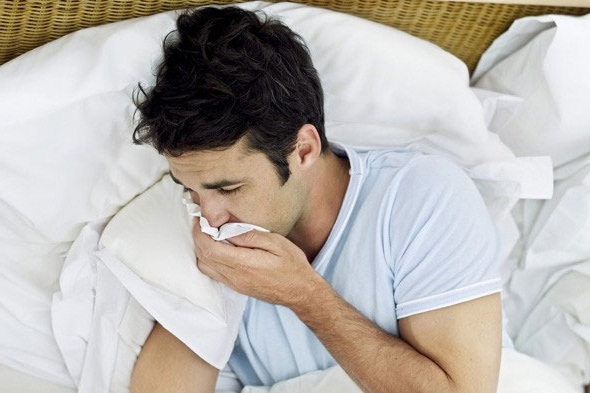
3. Frequent Nighttime Fatigue and Weakness
While fatigue is common in many conditions, extreme or unusual tiredness during the night or upon waking may signal an underlying issue.
What to Look For
- Feeling exhausted despite adequate sleep
- Waking up frequently without feeling rested
- A general sense of weakness
Possible Explanation
Cancer can affect the body’s energy production and immune system, leading to persistent fatigue. This may be more noticeable at night or in the early morning.
When to Be Concerned
If fatigue is severe, long-lasting, and not explained by lifestyle factors, it is important to seek medical advice.
Why These Symptoms Are Often Overlooked
Many nighttime symptoms are easily dismissed because they can be linked to less serious causes, such as:
- Stress or anxiety
- Hormonal changes
- Minor infections
- Environmental factors (temperature, bedding, etc.)
Because of this, people may delay seeking medical attention, allowing potential conditions to progress.
When to Seek Medical Advice
It is important to consult a healthcare professional if you experience:
- Persistent night sweats without a clear cause
- Ongoing pain that disrupts sleep
- Unexplained fatigue that does not improve
- Any combination of symptoms lasting several weeks
Doctors may recommend tests such as blood work, imaging, or further evaluation to determine the cause.
A Balanced Perspective
While these symptoms can be associated with cancer, they are not specific to cancer and are often caused by more common and less serious conditions.
The key is not to panic, but to stay aware. Monitoring your body and noticing changes over time is an important part of maintaining health.
Conclusion
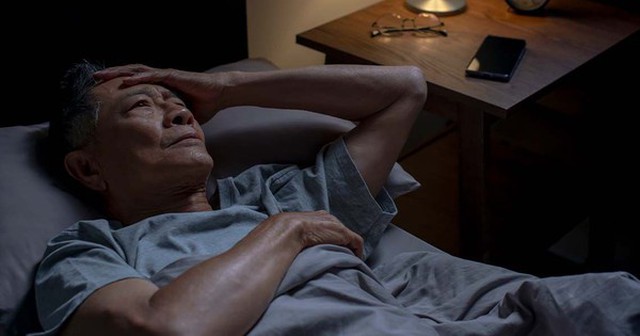
The body often communicates through subtle signals, and nighttime symptoms can provide important clues about underlying health conditions. Persistent night sweats, unexplained pain, and ongoing fatigue are signs that should not be ignored if they continue over time.
Early detection plays a crucial role in managing serious illnesses, including cancer. By staying informed, attentive, and proactive, you can take meaningful steps toward protecting your health and well-being.