Just $35,000 for a Brick House on 1.18 Acres? This Arkansas Fixer-Upper Has Buyers Looking Twice
At a time when buying a home can require years of savings, an asking price of just $35,000 is enough to make people stop and take a closer look. But what makes this property in Star City, Arkansas, particularly interesting is not simply its low price. It is the combination of a traditional brick house, a large yard, mature trees, and more than an acre of land that could offer possibilities for someone willing to take on a serious renovation project.
From the outside, the property has the familiar appearance of an older American country home. Its single-story brick construction, surrounding trees, paved-road access, and covered carport give it a character that may appeal to buyers who prefer established properties over newly built houses in crowded developments.
The land is another major attraction. A lot measuring approximately 1.18 acres offers considerably more outdoor space than many ordinary residential properties. There may be room for a vegetable garden, outdoor seating, landscaping, or simply a larger private yard where residents can enjoy a quieter lifestyle.
However, the low asking price comes with an important warning.
This is not a newly renovated house that someone can purchase and immediately enjoy without additional work. The property is being marketed as a fixer-upper, and its listing specifically warns that its condition may involve health and safety risks. Prospective visitors must sign a hold-harmless agreement before entering, and showings are available by appointment.
That warning changes the way buyers should look at the property.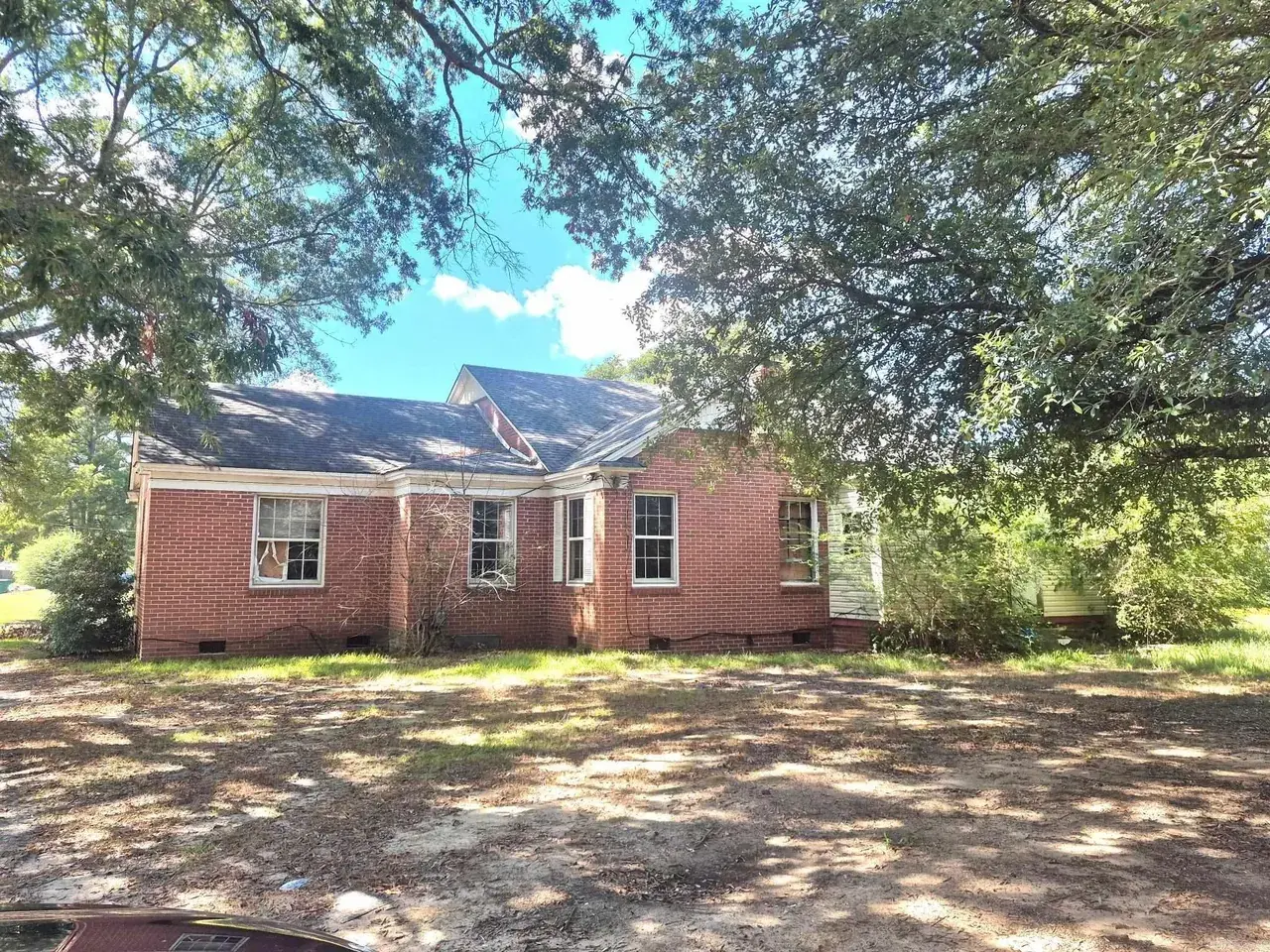
The question is no longer simply whether a brick house with more than an acre of land is worth $35,000. It is whether the structure can be restored safely, how much the repairs might cost, and whether the finished property could justify the total investment.
For someone with renovation experience, patience, and enough financial resources, the house could represent an interesting opportunity. For someone expecting a bargain that requires little attention, the reality may be very different.
The details behind the listing reveal why this property deserves a closer examination.
The $35,000 Price That Makes This Property Stand Out
The house is located at 2638 Garnett Road in Star City, Arkansas, in Lincoln County.
The matching real estate listing identifies it as a single-family brick residence built in 1970. It contains approximately 1,176 square feet of living space, with three bedrooms and one full bathroom. The property occupies a lot measuring approximately 1.18 acres.
Those specifications are important because the promotional headline circulating with the property describes it as a four-bedroom house. The verified listing, however, identifies three bedrooms.
Even with that correction, the property offers several features that can attract attention.
The asking price is just $35,000, equivalent to approximately $30 per square foot based on the listed living area. That figure is substantially lower than what many buyers expect to pay for a traditional detached house, particularly one that includes more than an acre of land.
But price per square foot can be misleading when a building requires substantial repairs.
A recently renovated home and a neglected fixer-upper cannot be compared using the same simple calculation. The condition of the structure, the reliability of its utilities, the cost of bringing it up to a safe standard, and the local market all influence its actual value.
The asking price should therefore be viewed as the starting point of a financial calculation rather than the final cost of owning the property.
One interesting detail is that the property previously sold for $24,900 in August 2023, according to the available listing history. It was subsequently offered for $35,000 in October 2026. This history provides additional context, although it does not establish how much work has been completed or what improvements, if any, have been made since the previous sale.
A prospective buyer would need to investigate the property's current condition rather than assume that its previous sale price reflects its present value.
The appeal of the house is therefore not based on the idea that everything is already perfect. It comes from the possibility of acquiring an older home and a relatively large piece of land at a low initial asking price.
That possibility is attractive, but only if the renovation costs remain manageable.
A Traditional Brick Exterior With the Character of an Older American Home
One of the first features that attracts attention is the home's brick exterior.
Brick has been a familiar building material in American residential construction for generations. It provides a traditional appearance and, when properly maintained, can remain attractive for many decades.
Unlike an exterior finish that needs frequent repainting, a well-maintained brick façade can retain much of its original appearance with relatively limited routine attention. However, the condition of the mortar, the presence of moisture, and the stability of the surrounding structure are all important.
For a buyer considering this property, the brick exterior could be one of the features worth preserving.
Rather than covering it with modern siding or attempting to transform the entire house into something completely different, a thoughtful renovation could emphasize its original architectural character.
The brick could be professionally cleaned where appropriate, damaged mortar could be repaired, and the windows and exterior trim could be updated to create a more welcoming appearance.
A simple landscaping plan could also make a considerable difference.
The house does not need an elaborate exterior makeover to look more inviting. A maintained lawn, trimmed vegetation, attractive planting beds, and a clean entrance could help bring attention back to the traditional design.
However, buyers should not assume that the exterior is in good condition simply because the house is made of brick.
Mortar can deteriorate over time. Water can enter through damaged joints, poorly maintained flashing, or other openings. Cracks may also indicate movement that requires professional assessment.
A qualified inspector should examine the walls, foundation, roofline, and areas around doors and windows.
If the brickwork is sound, preserving it could help reduce unnecessary renovation expenses.
If there are more serious structural problems, those repairs must take priority over cosmetic improvements.
The best renovation strategy would be to retain the features that remain useful while replacing or repairing components that have reached the end of their service life.
More Than an Acre of Land Is One of the Biggest Attractions
The house itself may need considerable work, but the surrounding land offers another reason to consider the property.
The listing records approximately 1.18 acres, with a description emphasizing its country setting, paved-road access, and large sycamore and oak trees in the front yard.
For buyers accustomed to smaller residential lots, that amount of land can represent a meaningful difference in everyday life.
A larger property offers room to create outdoor spaces that are difficult to accommodate in densely developed neighborhoods.
Someone who enjoys gardening could establish vegetable beds, plant fruit trees, or create a small flower garden.
A family might prefer an open lawn where children can play, relatives can gather, or pets can enjoy more space.
Another owner could create a shaded sitting area beneath the mature trees, making the yard a comfortable place to spend quiet afternoons.
The property could also provide room for outdoor dining or a small workshop, subject to applicable building rules and local regulations.
However, 1.18 acres should not be confused with an obligation to develop every available section of land.
One of the advantages of having a larger lot is the ability to leave some areas natural.
A buyer could maintain the immediate surroundings of the house while allowing other portions to remain relatively open or wooded.
This may reduce the need for unnecessary landscaping expenses and preserve the property's established character.
The land's actual condition should still be evaluated.
Buyers should examine the slope, drainage, soil, vegetation, access points, and any signs of standing water.
They should also verify the exact boundaries through the legal property description and, where appropriate, a professional survey.