Kale also contains various antioxidant plant compounds. These compounds help protect cells from oxidative stress, although eating kale should not be viewed as a treatment or cure for any disease.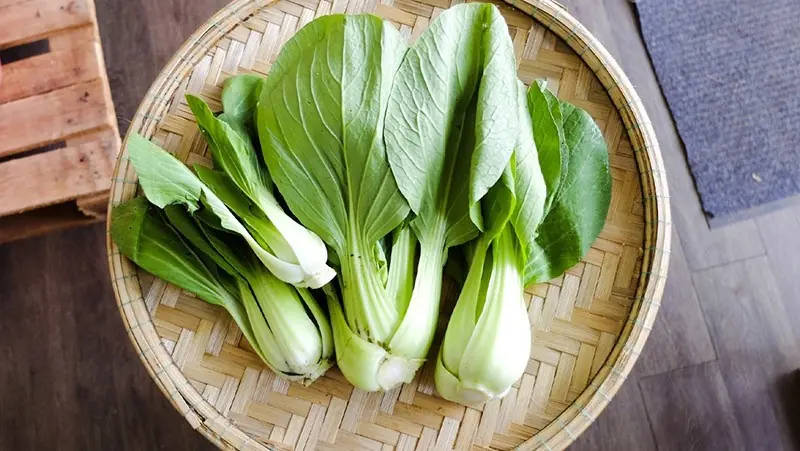
Simple Ways to Add Kale to Your Meals
Kale can be eaten raw or cooked, depending on the variety and personal preference.
Here are several easy options:
-
Add finely chopped kale to salads.
-
Mix it into vegetable soups.
-
Sauté it with garlic and mushrooms.
-
Add it to omelets or scrambled eggs.
-
Combine it with beans, lentils, or whole grains.
-
Blend a small amount into a smoothie with fruit and yogurt.
If you find raw kale too tough, massage the leaves gently with a little olive oil and lemon juice before adding them to a salad. This can soften their texture and make them easier to chew.
For a simple side dish, lightly sauté kale with garlic and serve it alongside fish, chicken, tofu, or beans.
4. Bok Choy: A Mild, Affordable Vegetable With Useful Amounts of Calcium
Bok choy, also known as pak choi or Chinese cabbage, is widely used in Asian cooking. It has crisp white stems and tender green leaves, with a mild flavor that works well in soups, stir-fries, noodle dishes, and steamed meals.
It is particularly convenient because almost the entire vegetable can be eaten after washing and trimming.
Bok choy is also a useful vegetable for people who want to increase their calcium intake without relying entirely on dairy products.
How Much Calcium Does Bok Choy Contain?
One cup of cooked bok choy can provide approximately 150–160 milligrams of calcium, depending on the variety and preparation.
Although this is less than the amount found in a cup of milk, it is considerably more than the calcium content of one large egg.
Bok choy is also relatively low in calories and contains water, fiber, vitamin C, vitamin K, and beta-carotene.
Like kale, bok choy is relatively low in oxalates compared with spinach. This is important because the amount of calcium a food contains is not the only factor that determines its nutritional value. The body must also be able to absorb that calcium.
Why Bok Choy Deserves a Place in Your Diet
Bok choy offers a combination of nutrients that can contribute to a balanced eating pattern.
Its vitamin K content supports normal blood clotting and participates in bone metabolism. Vitamin C contributes to collagen formation and helps protect cells from oxidative damage.
The vegetable also provides small amounts of other minerals and plant compounds that contribute to overall nutritional variety.
Because bok choy has a mild flavor, it can be easier to include in everyday meals than more bitter leafy greens.
It also cooks quickly, making it a practical option for people who want nutritious meals without spending a lot of time in the kitchen.
Easy Ways to Prepare Bok Choy
Bok choy is particularly versatile.
-
Garlic bok choy: Cut the vegetable into smaller pieces and quickly stir-fry with garlic.
-
Noodle soup: Add it near the end of cooking so the leaves remain tender.
-
Steamed bok choy: Steam until the stems become slightly tender and season lightly.
-
Tofu and vegetable stir-fry: Combine it with tofu, mushrooms, and other vegetables.
-
Rice bowls: Serve cooked bok choy alongside rice, fish, eggs, or beans.
Avoid overcooking bok choy if you prefer a crisp texture. A short cooking time is often enough to soften the stems while preserving their fresh flavor.
Can These Vegetables Really Provide More Calcium Than Milk and Eggs?
This is an important question because headlines about calcium-rich vegetables can sometimes create confusion.
The answer depends on the vegetable, the serving size, and the food being used for comparison.
A large egg contains approximately 25–30 milligrams of calcium. A cup of cow's milk typically contains around 300 milligrams.
Some cooked leafy greens, including collard greens and turnip greens, can provide considerably more calcium than one egg in a typical serving. However, most servings of the four vegetables discussed above provide less calcium than a cup of milk.
The comparison also becomes more complicated when calcium absorption is considered.
Two foods can contain similar amounts of calcium on paper but deliver different amounts to the body because natural compounds in food can affect absorption.
For example, spinach contains calcium, but it is also high in oxalates. These compounds bind to calcium and make a relatively small proportion of the mineral available for absorption.
Kale, bok choy, and collard greens generally have lower oxalate levels, which makes their calcium more accessible.
This is why it is important to look beyond the calcium number on a nutrition label. Both the amount of calcium and its bioavailability matter.
How Much Calcium Do Adults Need Every Day?
Calcium requirements vary according to age and life stage.
For many adults between 19 and 50 years old, the recommended daily intake is approximately 1,000 milligrams.
Women aged 51 and older generally need around 1,200 milligrams daily. Men typically need 1,000 milligrams until age 70, after which the recommendation increases to 1,200 milligrams.
Children, teenagers, pregnant individuals, and breastfeeding individuals may have different nutritional needs depending on their age and circumstances.
These figures are general recommendations, not individual prescriptions. People with certain medical conditions may require personalized advice.
Consider a simple example of how vegetables can contribute to daily calcium intake: