People with osteoporosis, previous fractures, or other health concerns should choose activities appropriate for their condition and seek professional guidance when necessary.
Who Should Pay Special Attention to Calcium Intake?
Although everyone needs calcium, certain groups may have a greater risk of inadequate intake or increased nutritional requirements.
Older Adults
As people age, maintaining bone density becomes increasingly important.
Older adults may eat smaller portions, have reduced appetite, or experience medical conditions that affect nutrient absorption.
Including calcium-rich foods and maintaining appropriate vitamin D levels can help support bone health.
Women After Menopause
Estrogen plays a role in maintaining bone density. After menopause, declining estrogen levels can accelerate bone loss.
This does not mean every woman will develop osteoporosis, but it makes adequate calcium intake, physical activity, and appropriate health assessments especially important.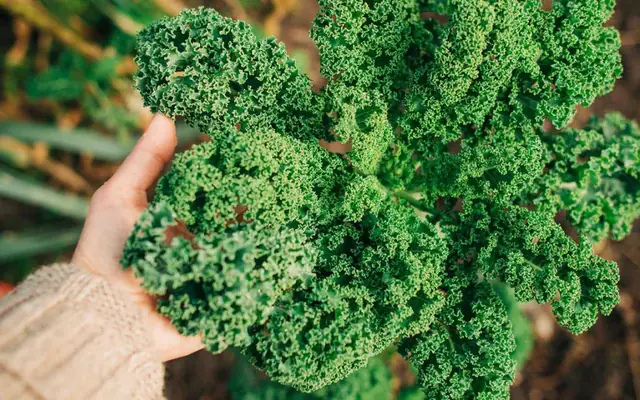
People Who Avoid Dairy Products
Individuals who are lactose intolerant, allergic to milk proteins, or following a dairy-free diet may need to pay closer attention to their calcium intake.
Lactose-free milk, calcium-fortified plant drinks, calcium-set tofu, and low-oxalate leafy greens can help provide alternatives.
A dairy-free diet can be nutritionally adequate, but it requires attention to calcium, vitamin D, protein, and other nutrients.
Teenagers
Adolescence is an important period for bone development. Calcium requirements are particularly high during the teenage years because the skeleton is still growing.
A varied diet containing calcium-rich foods can help support this process.
People Following Restrictive Diets
Individuals who follow highly restrictive diets may unintentionally eliminate several important sources of calcium.
If food choices are limited because of allergies, medical conditions, or personal dietary preferences, a registered dietitian can help develop a suitable eating plan.
Common Mistakes to Avoid When Trying to Increase Calcium Intake
Eating more calcium-rich vegetables is a positive step, but a few misconceptions can make it harder to achieve your nutritional goals.
Mistake 1: Assuming all leafy greens contain the same amount of calcium.
Different vegetables have different calcium concentrations and absorption rates. Spinach, for example, contains calcium but also has high oxalate levels that reduce its bioavailability.
Mistake 2: Believing vegetables must completely replace dairy products.
There is no universal requirement to avoid dairy. People who tolerate dairy can continue including milk, yogurt, and cheese as part of a balanced diet. Those who do not consume dairy can obtain calcium from other sources.
Mistake 3: Focusing only on calcium.
Bone health also depends on vitamin D, protein, physical activity, overall nutrition, and other factors.
Mistake 4: Taking supplements without considering total intake.
Calcium supplements are not necessary for everyone. Taking more calcium than needed can cause problems, including constipation and, in some circumstances, an increased risk of kidney stones.
People with kidney disease, a history of kidney stones, or certain medical conditions should seek professional advice before using calcium supplements.
Mistake 5: Expecting one vegetable to solve every nutritional problem.
No single food provides everything the body needs. A varied eating pattern is more useful than relying heavily on one supposedly powerful ingredient.
A Simple One-Day Meal Plan Featuring Calcium-Rich Foods
If you want to include more calcium-rich foods without making meals complicated, the following example can provide inspiration.
Breakfast
Prepare an omelet with eggs, chopped kale, and tomatoes. Serve it with whole-grain toast and a glass of calcium-fortified soy milk or regular milk.
Lunch
Make a vegetable and tofu rice bowl with bok choy, carrots, mushrooms, and calcium-set tofu. Add a small amount of sesame seeds for flavor.
Afternoon Snack
Enjoy plain yogurt or a calcium-fortified plant-based alternative with fruit.
Dinner
Prepare a bowl of vegetable soup containing collard greens, beans, carrots, and onions. Serve it with fish, chicken, or another suitable protein source.
Optional Side Dish
Lightly sauté turnip greens with garlic and a little olive oil.
This is only an example. Individual calcium needs vary, and the actual amount provided by the meals depends on portion sizes and the products used.
The Bottom Line: Small Dietary Changes Can Make a Difference
Calcium is essential for strong bones and teeth, normal muscle contractions, nerve signaling, and blood clotting. Although dairy products are well-known sources, they are not the only foods that can help meet daily calcium needs.
Collard greens, turnip greens, kale, and bok choy are four nutritious vegetables that provide meaningful amounts of calcium. They also offer fiber, vitamins, and other beneficial plant compounds that support a balanced eating pattern.
Among these choices, collard greens and turnip greens can provide particularly substantial amounts of calcium per cooked serving. Kale and bok choy are also useful options, especially because their relatively low oxalate levels make their calcium more available for absorption than the calcium in some other leafy vegetables.
However, it is important to keep comparisons realistic. These vegetables can contain much more calcium than an egg, but a typical serving generally provides less calcium than a cup of cow's milk.
The best approach is not to depend on one food or follow an unnecessarily restrictive diet. Instead, combine different calcium sources, include vegetables regularly, obtain enough vitamin D and protein, and stay physically active.
A simple serving of leafy greens added to lunch or dinner may seem like a small change, but making nutritious choices consistently can help support long-term health.