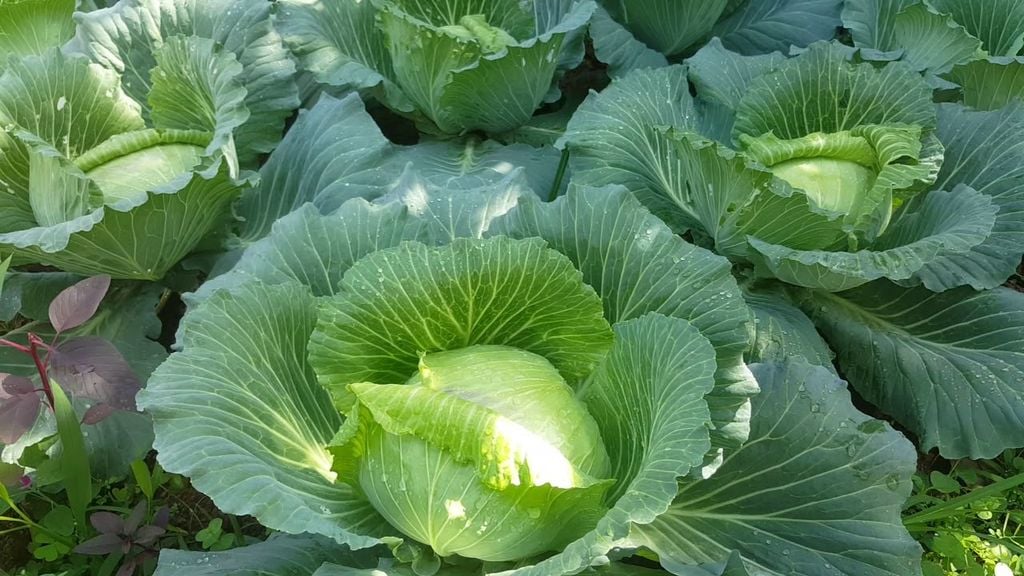
Cabbage is one of the most nutritious and affordable vegetables available. Whether enjoyed raw in salads, fermented into sauerkraut or kimchi, or cooked in soups and stir-fries, cabbage is packed with vitamins, minerals, fiber, and beneficial plant compounds that support overall health.
Research suggests that diets rich in cruciferous vegetables—including cabbage, broccoli, cauliflower, Brussels sprouts, and kale—may be associated with a lower risk of certain chronic diseases when consumed as part of a balanced diet.
However, despite its impressive nutritional profile, cabbage is not the ideal choice for everyone in every situation. Certain medical conditions, medications, and digestive sensitivities may make it advisable to limit cabbage or prepare it differently.
This doesn't necessarily mean these individuals must avoid cabbage entirely. In many cases, moderation, proper preparation, or medical guidance is all that's needed.
Let's explore four groups of people who may need to be cautious with cabbage and why.

Why Is Cabbage Considered So Healthy?
Before discussing who should limit cabbage, it's worth understanding why it is often recommended as part of a healthy diet.
Cabbage provides a wide variety of nutrients, including:
-
Vitamin C
-
Vitamin K
-
Folate
-
Vitamin B6
-
Potassium
-
Manganese
-
Dietary fiber
It also contains naturally occurring plant compounds such as:
-
Glucosinolates
-
Flavonoids
-
Polyphenols
-
Anthocyanins (especially in red cabbage)
These compounds have been widely studied for their potential antioxidant and anti-inflammatory properties.
Potential Health Benefits of Cabbage
Regularly eating cabbage as part of a balanced diet may help support:
-
Digestive health
-
Heart health
-
Immune function
-
Healthy blood vessel function
-
Normal bowel movements
-
Healthy gut bacteria
Like other vegetables, cabbage is naturally low in calories while providing significant nutritional value.
Raw vs. Cooked Cabbage
The way cabbage is prepared can affect both its nutrient content and how well it is tolerated.
Raw Cabbage
Retains more vitamin C but may be harder to digest for some people.
Cooked Cabbage
Cooking softens the fiber, making it easier to digest while still providing many important nutrients.
People with sensitive digestive systems often tolerate cooked cabbage better than raw cabbage.
Group 1: People With Certain Thyroid Conditions
One of the most frequently discussed concerns about cabbage involves the thyroid gland.
Cabbage belongs to the cruciferous vegetable family, which naturally contains compounds called glucosinolates.
When these compounds are broken down, they can produce substances known as goitrogens.
What Are Goitrogens?
Goitrogens are naturally occurring compounds that may interfere with iodine utilization in the thyroid under certain circumstances.
This has led to concerns that eating cruciferous vegetables could contribute to thyroid problems.
However, the reality is more nuanced.
What Does the Research Say?
For most healthy people who consume enough iodine, eating cabbage is unlikely to cause thyroid problems.
However, individuals who:
-
Have hypothyroidism
-
Have iodine deficiency
-
Consume very large amounts of raw cruciferous vegetables
may wish to discuss their diet with their healthcare provider.
Cooking Reduces Goitrogen Activity
Cooking significantly reduces many goitrogenic compounds.
People with thyroid concerns often tolerate:
-
Steamed cabbage
-
Boiled cabbage
-
Stir-fried cabbage
better than consuming large amounts of raw cabbage every day.
Should People With Hypothyroidism Avoid Cabbage?
Usually, no.
Most endocrinologists do not recommend eliminating cabbage entirely.
Instead, they may recommend:
-
Eating moderate portions
-
Ensuring adequate iodine intake
-
Varying vegetable choices
-
Cooking cabbage more often than eating it raw
Always follow individualized medical advice.
Group 2: People Taking Blood-Thinning Medication
Cabbage is an excellent source of vitamin K.
Vitamin K plays an essential role in:
-
Normal blood clotting
-
Bone health
While this nutrient is beneficial for most people, it can affect the action of certain medications.
Warfarin and Vitamin K
People taking warfarin (Coumadin®) should pay particular attention to vitamin K intake.
Vitamin K can influence how warfarin works.
However, this does not mean people taking warfarin must avoid cabbage.
The key is consistency.
Suddenly eating much larger or much smaller amounts of vitamin K-rich foods can make warfarin management more difficult.
Should You Stop Eating Cabbage?
Generally, no.
Instead:
-
Eat similar amounts from week to week.
-
Inform your healthcare provider if you make major dietary changes.
-
Continue regular INR monitoring as recommended.
Never stop eating healthy vegetables without discussing it with your healthcare provider.
Group 3: People With Digestive Disorders or Sensitive Stomachs
Cabbage is rich in fiber.
For most people, that's a major advantage.
However, some individuals experience digestive discomfort after eating cabbage.
Possible symptoms include:
-
Bloating
-
Gas
-
Abdominal discomfort
-
Increased intestinal sounds
Why Does Cabbage Cause Gas?
Cabbage contains:
-
Fiber
-
Raffinose (a naturally occurring carbohydrate)
Humans cannot completely digest raffinose.
Instead, gut bacteria ferment it, producing gas.
This is completely normal.
Some people simply produce more gas than others.
People With Irritable Bowel Syndrome (IBS)
Individuals with IBS may be especially sensitive to certain fermentable carbohydrates known as FODMAPs.
While cabbage is generally lower in FODMAPs than some other vegetables, large portions—especially of certain varieties such as savoy cabbage—may trigger symptoms in some people.
Symptoms may include:
-
Cramping
-
Bloating
-
Gas
-
Diarrhea
Tolerance varies from person to person.
Simple Ways to Improve Tolerance
If cabbage causes discomfort, consider:
-
Eating smaller portions
-
Cooking instead of eating it raw
-
Chewing thoroughly
-
Introducing fiber gradually
-
Drinking enough water
Many people find these strategies helpful.
Group 4: People Recovering From Certain Digestive Surgeries or Medical Conditions
Some medical conditions temporarily require a lower-fiber diet.
Examples include recovery after:
-
Certain bowel surgeries
-
Some gastrointestinal procedures
-
Episodes of diverticulitis (during the acute phase, if advised)
-
Bowel obstruction
-
Certain inflammatory bowel disease flare-ups
In these situations, healthcare providers may temporarily recommend limiting high-fiber vegetables such as cabbage.
Once recovery progresses, many people gradually reintroduce fiber under medical guidance.
What About Acid Reflux?
Cabbage does not directly cause acid reflux.
However, for some people, gas produced after eating large amounts of cabbage may increase abdominal pressure, potentially making reflux symptoms feel worse.
This varies considerably between individuals.
Can Cabbage Affect Blood Sugar?
Cabbage is naturally:
-
Low in calories
-
Low in carbohydrates
-
High in fiber
These characteristics generally make it a good choice for people with diabetes as part of a balanced diet.
There is no strong evidence that ordinary servings of cabbage cause harmful blood sugar spikes.
Does Cabbage Help With Weight Loss?
No single food causes weight loss.
However, cabbage can support weight management because it is:
-
Filling
-
Low in calories
-
Rich in fiber
-
Nutrient-dense
Replacing highly processed foods with vegetables such as cabbage may help support healthy eating patterns.
What About Fermented Cabbage?
Fermented cabbage products include:
-
Sauerkraut
-
Kimchi
These foods may provide beneficial bacteria produced during fermentation.
However, many commercial products are also:
-
High in sodium
People with hypertension or those advised to limit sodium intake should check nutrition labels and choose lower-sodium varieties when possible.
Can You Eat Cabbage Every Day?
For most healthy adults, yes.
Eating cabbage regularly as part of a varied diet is generally considered safe.
However, variety remains important.
No single vegetable provides every nutrient your body needs.
Try rotating vegetables such as:
-
Broccoli
-
Spinach
-
Carrots
-
Bell peppers
-
Cauliflower
-
Tomatoes
-
Green beans
A colorful plate usually provides a wider range of nutrients.
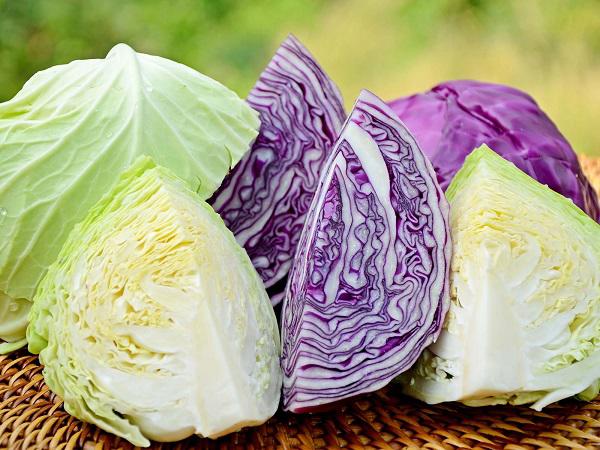
Red Cabbage vs. Green Cabbage
Both are nutritious.
However, red cabbage contains additional pigments called anthocyanins, which have antioxidant properties.
Green cabbage generally contains slightly more vitamin K.
Either variety can fit into a healthy diet.
Choosing Fresh Cabbage
Look for heads that are:
-
Firm
-
Heavy for their size
-
Brightly colored
-
Free of large soft spots
-
Free of mold
Store cabbage in the refrigerator to help preserve freshness.
Healthy Ways to Prepare Cabbage
Nutritious preparation methods include:
-
Steaming
-
Stir-frying with minimal oil
-
Roasting
-
Adding to soups
-
Mixing into salads
-
Fermenting (with attention to sodium content)
Avoid adding excessive amounts of:
-
Butter
-
Heavy cream
-
Processed meats
-
Salt
These additions can reduce the overall nutritional quality of the meal.
Common Myths About Cabbage
Myth 1: People With Thyroid Disease Should Never Eat Cabbage
False.
Most people with thyroid disorders can still enjoy moderate amounts of cooked cabbage as part of a balanced diet.
Myth 2: Cabbage Is Bad for Digestion
For many people, cabbage actually supports digestive health because of its fiber content.
Some individuals may experience gas or bloating, but this doesn't mean cabbage is harmful.
Myth 3: Cabbage Cancels Blood-Thinning Medication
False.
Vitamin K affects warfarin, but the goal is consistent intake—not complete avoidance.
Myth 4: Raw Cabbage Is Always Better Than Cooked
Both have nutritional benefits.
Cooking may reduce certain nutrients slightly while making cabbage easier to digest for many people.
Who Can Usually Enjoy Cabbage Without Concern?
Most healthy adults can safely include cabbage in a balanced diet.
It pairs well with:
-
Lean proteins
-
Whole grains
-
Beans
-
Healthy fats
-
Other colorful vegetables
Its versatility makes it an excellent ingredient for soups, salads, stir-fries, and fermented dishes.
When Should You Talk to a Doctor or Dietitian?
Consult a healthcare professional if you:
-
Have thyroid disease and questions about cruciferous vegetables.
-
Take warfarin or another medication affected by vitamin K.
-
Experience persistent digestive symptoms after eating cabbage.
-
Have recently undergone gastrointestinal surgery.
-
Have been advised to follow a specialized medical diet.
Personalized advice is always preferable to eliminating healthy foods without guidance.
The Bottom Line
Cabbage is one of the most nutrient-dense vegetables you can eat, offering fiber, vitamin C, vitamin K, folate, and a variety of beneficial plant compounds. For most people, it is a healthy addition to a balanced diet.
However, individuals with certain thyroid conditions, people taking warfarin, those with digestive sensitivities, and people recovering from certain gastrointestinal conditions may need to adjust how much cabbage they eat or how it is prepared.
In most cases, moderation—not complete avoidance—is the key.
Final Thoughts
Cabbage has earned its reputation as a nutritious, affordable, and versatile vegetable. Whether enjoyed raw, cooked, or fermented, it can contribute to a healthy eating pattern rich in vitamins, minerals, and fiber.
At the same time, nutrition is never one-size-fits-all. Your health conditions, medications, digestive tolerance, and overall diet all influence which foods work best for you. If cabbage consistently causes discomfort or you have a medical condition that affects your dietary choices, speak with your healthcare provider or a registered dietitian.
Rather than avoiding nutritious foods based on headlines or social media trends, aim for a balanced, varied diet that fits your individual health needs and preferences.