
The Hidden Risk Behind Spoiled Coconut Water: Why Freshness Matters
Fresh coconut water is safe—but spoiled coconuts can pose serious health risks.
Health 28/07/2026 03:25


Hot weather places extra demands on the cardiovascular system. As temperatures rise, the body works harder to stay cool by widening blood vessels and increasing sweating. These natural responses help regulate body temperature but can also lead to dehydration, lower blood pressure, and additional strain on the heart. For older adults and people with cardiovascular disease, adopting a few simple showering habits during hot weather may help reduce unnecessary stress on the body. While these tips cannot prevent heart attacks or replace medical care, they can support comfort and safety during periods of extreme heat.
One of the most important recommendations is to avoid extremely hot showers. Hot water causes blood vessels near the skin to widen rapidly, which may temporarily lower blood pressure. For some people, especially older adults or those taking blood pressure medications, this sudden change can lead to dizziness, lightheadedness, or even fainting. Instead, choose lukewarm water that feels comfortable rather than excessively hot or cold.
Equally important is avoiding very cold showers immediately after being outdoors in intense heat. While cold water may feel refreshing, a sudden drop in skin temperature can cause blood vessels to constrict quickly. This abrupt change may temporarily increase blood pressure and heart rate. Although healthy individuals generally tolerate this well, people with existing heart disease may benefit from allowing their body to cool down gradually before showering.
After spending time outside, sit in a cool room for several minutes, drink some water if appropriate, and allow your body temperature to stabilize before stepping into the shower.


 6
6
The third tip is to stay well hydrated. During hot weather, the body loses fluid through sweat, even if you do not feel particularly thirsty. Mild dehydration can reduce blood volume, forcing the heart to work harder to circulate blood throughout the body. Drinking water regularly throughout the day helps maintain normal circulation and supports the body's ability to regulate temperature.
However, hydration needs vary from person to person. Individuals with heart failure, kidney disease, or other medical conditions requiring fluid restriction should always follow the recommendations of their healthcare provider rather than increasing fluid intake on their own.
The fourth recommendation is to listen to your body. If you experience dizziness, chest pain, unusual shortness of breath, palpitations, or severe weakness while showering, stop immediately and seek appropriate medical attention if symptoms persist or are severe. Bathrooms can be hazardous places for falls, particularly when combined with heat-related dizziness.
Installing grab bars, using non-slip mats, and ensuring good ventilation can improve bathroom safety, especially for older adults. If possible, avoid locking the bathroom door completely if you have a history of fainting or significant cardiovascular disease.


 6
6
Beyond showering habits, protecting your heart during hot weather involves several healthy lifestyle choices. Wear lightweight, breathable clothing, limit strenuous outdoor activity during the hottest hours of the day, seek shade or air-conditioned environments when temperatures become extreme, and continue taking prescribed medications unless instructed otherwise by your healthcare provider.
People with heart disease should be especially aware of heat-related symptoms. Persistent chest pain, severe shortness of breath, confusion, fainting, or signs of heat stroke require immediate emergency medical care.
For most healthy individuals, showering during hot weather is perfectly safe. The key is avoiding sudden temperature extremes, staying hydrated when appropriate, and paying attention to warning signs from your body. These simple habits can improve comfort and may help reduce unnecessary cardiovascular stress during periods of high heat.
Fresh coconut water is safe—but spoiled coconuts can pose serious health risks.

Reheating food kills many germs—but not every toxin they may leave behind.
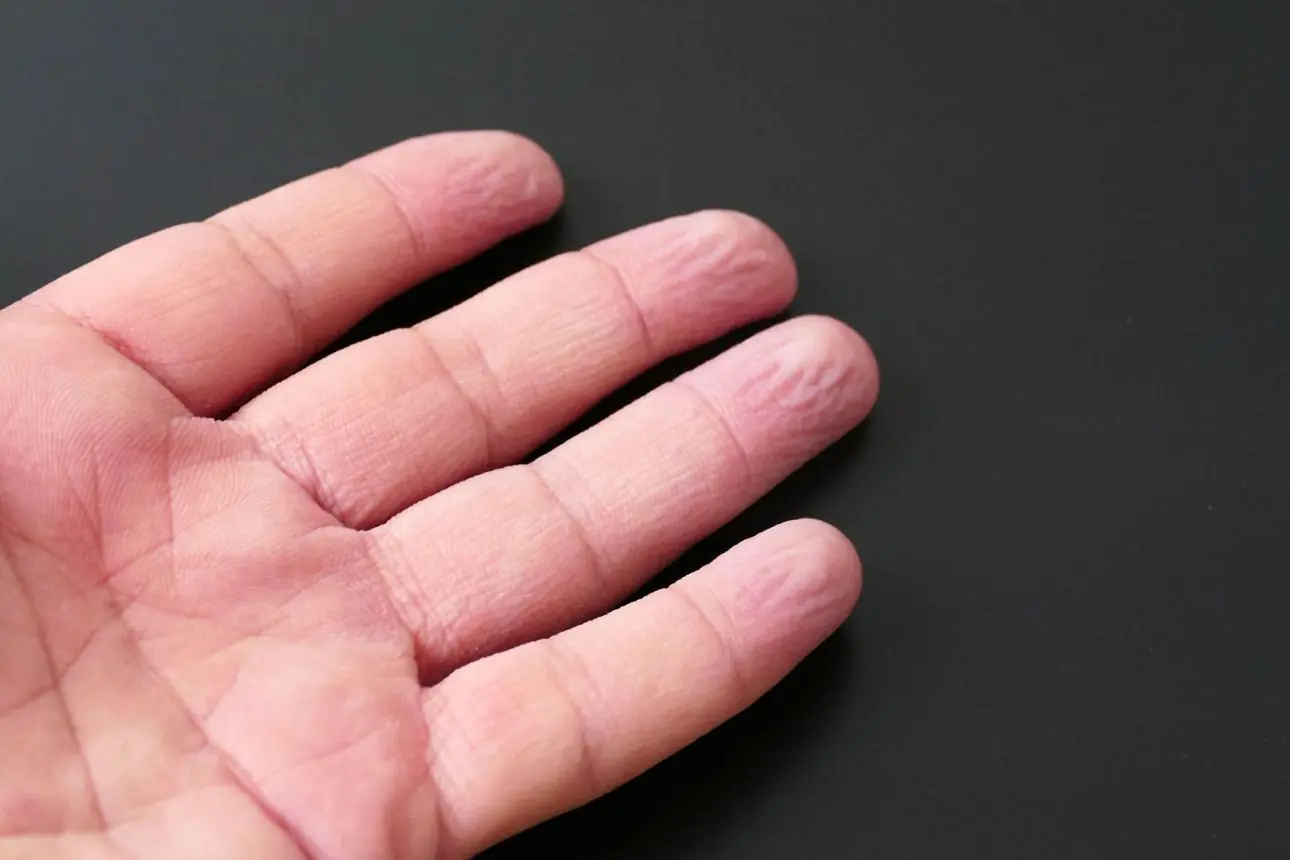
Persistent wrinkled fingers may sometimes point to an underlying health issue.

Waking Up at 3 or 4 A.M. Every Night? It May Be Worth Paying Attention To 👀

Your Body Often Speaks First: 7 Early Diabetes Symptoms Everyone Should Know 👇

Why You See Shadow Figures During Sleep Paralysis

The Urinary Symptom That Should Never Be Dismissed

Love Avocados? Doctors Reveal What They May Be Doing for Your Health 🥑👇

Tilapia: Healthy Choice or Something to Be Aware Of? 🐟👇
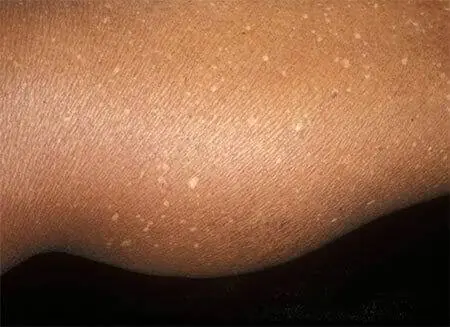
Have You Seen These Tiny White Spots on Your Skin? Here's What Experts Say They Could Be 👇 Check the 1st Comment
A Common Vegetable Leaves Nearly 2,000 Infected and 98 Hospitalized in Major U.S. Outbreak

Doctors Say This Popular Vegetable Should Always Be Washed Thoroughly—Here's Why

No matter how hungry you are, don't touch these 5 breakfast foods
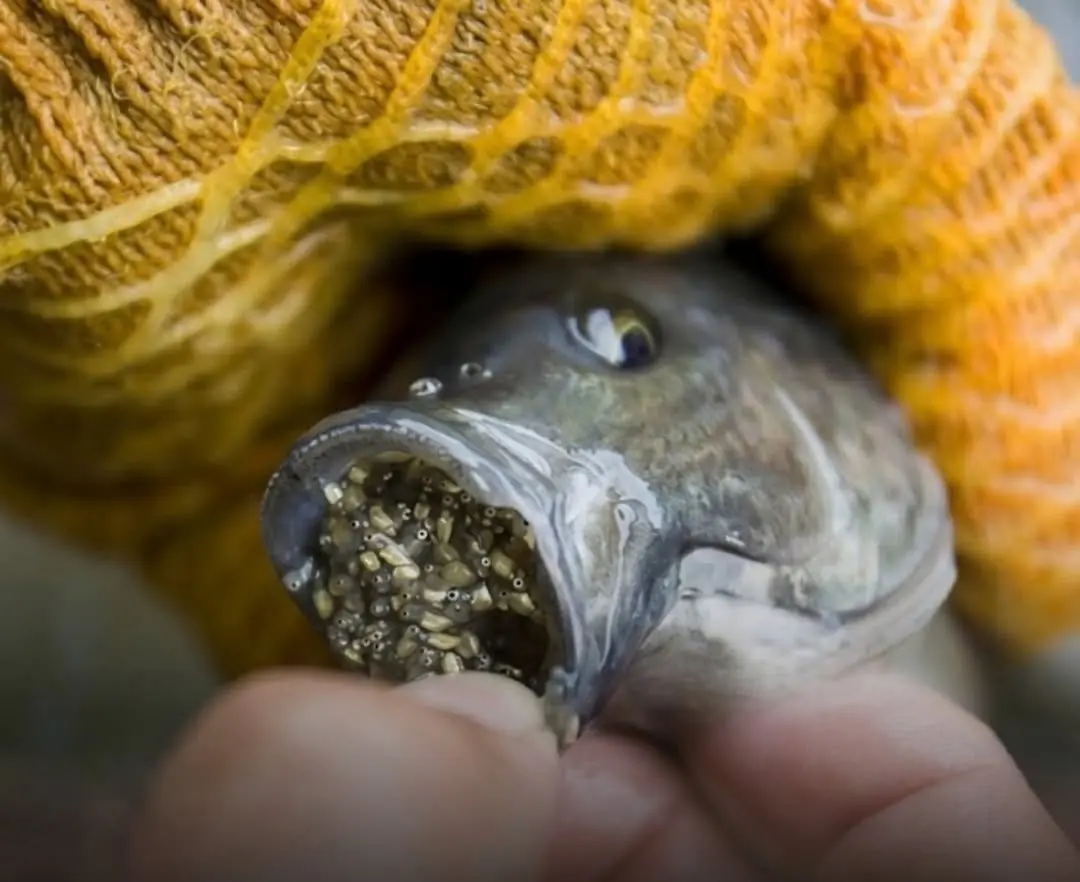
Many People Still Eat This Fish Without Realizing What Could Be Hiding Inside…
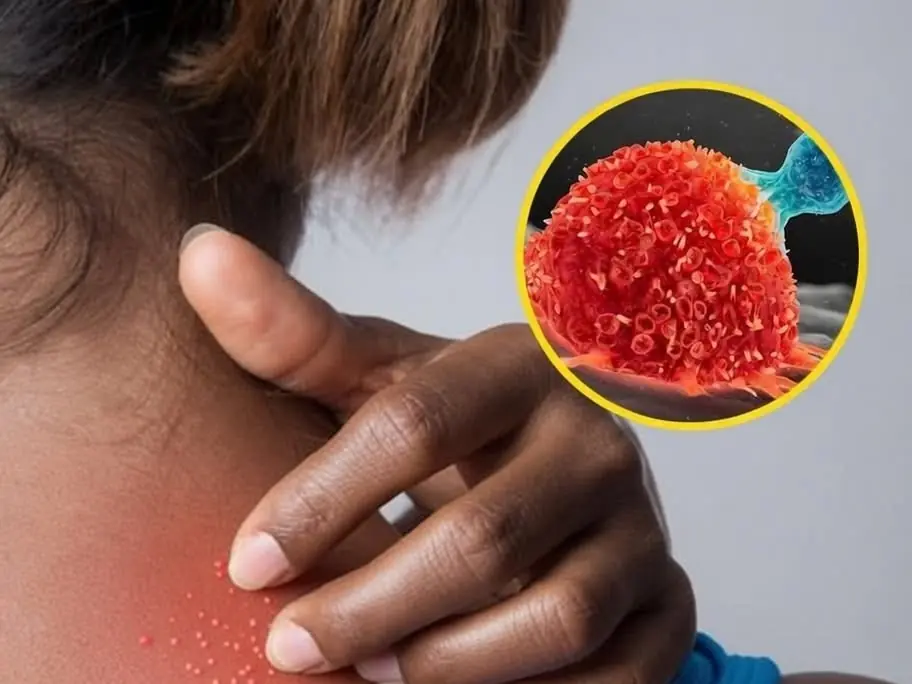
Experts Explain 9 Types of Itching That May Indicate an Underlying Condition

If you keep waking up at 3 or 4 in the morning, your body may be trying to tell you something. See more...
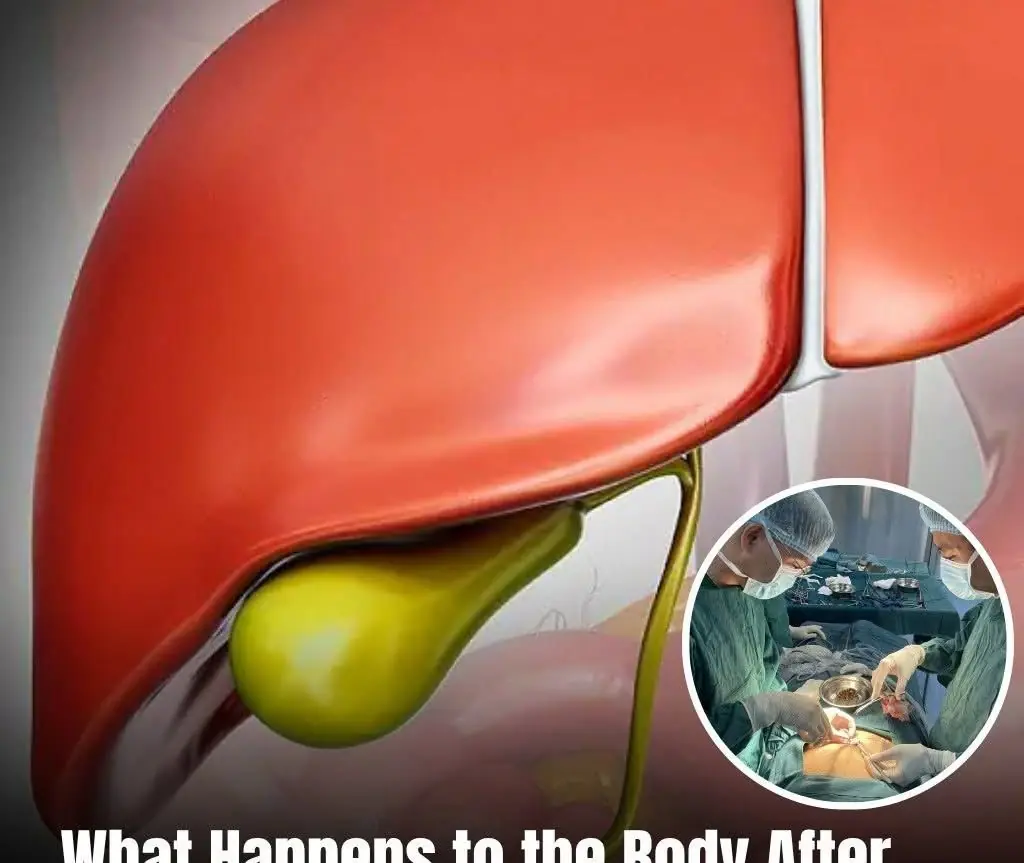
What Happens to the Body After G.allb.la.dder Removal
She Thought the Nighttime Itching Was Nothing—Then Doctors Found a Serious Illness
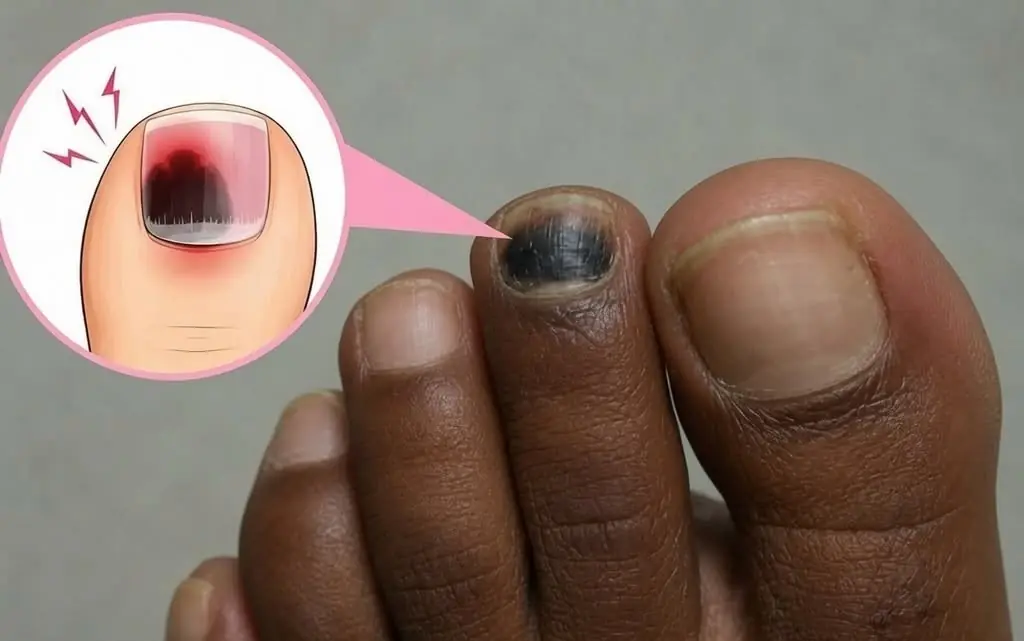
Could Your Black Toenail Be More Than a Bruise? Learn the Warning Signs
Fresh coconut water is safe—but spoiled coconuts can pose serious health risks.
Reheating food kills many germs—but not every toxin they may leave behind.
Persistent wrinkled fingers may sometimes point to an underlying health issue.
Waking Up at 3 or 4 A.M. Every Night? It May Be Worth Paying Attention To 👀
Your Body Often Speaks First: 7 Early Diabetes Symptoms Everyone Should Know 👇
Why You See Shadow Figures During Sleep Paralysis
The Urinary Symptom That Should Never Be Dismissed
Love Avocados? Doctors Reveal What They May Be Doing for Your Health 🥑👇
Tilapia: Healthy Choice or Something to Be Aware Of? 🐟👇

The Meaning Goes Beyond Simple Pest Control
Have You Seen These Tiny White Spots on Your Skin? Here's What Experts Say They Could Be 👇 Check the 1st Comment
A Common Vegetable Leaves Nearly 2,000 Infected and 98 Hospitalized in Major U.S. Outbreak
Doctors Say This Popular Vegetable Should Always Be Washed Thoroughly—Here's Why
No matter how hungry you are, don't touch these 5 breakfast foods
Many People Still Eat This Fish Without Realizing What Could Be Hiding Inside…
Experts Explain 9 Types of Itching That May Indicate an Underlying Condition
If you keep waking up at 3 or 4 in the morning, your body may be trying to tell you something. See more...
What Happens to the Body After G.allb.la.dder Removal
She Thought the Nighttime Itching Was Nothing—Then Doctors Found a Serious Illness