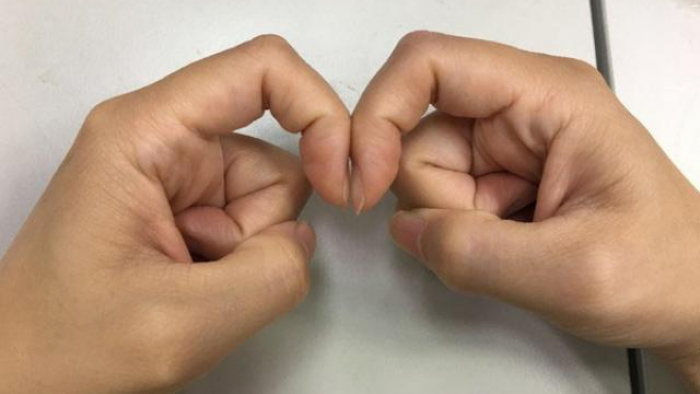
Lung cancer is often called a “silent disease” because it typically develops without noticeable symptoms in the early stages. By the time cough, chest pain, or breathing difficulties appear, the cancer may already be advanced. However, the body sometimes sends subtle external signals long before respiratory symptoms arise - including changes in the fingers.
These physical changes occur due to disruptions in oxygen flow, hormonal imbalances, or substances produced by cancer cells that affect the tissues in the hands. Although finger changes alone do not confirm lung cancer, they should never be ignored, especially in individuals with risk factors such as smoking or long-term exposure to pollutants.
Here are four finger-related warning signs that may indicate lung can.cer and the essential steps you can take to protect your health.
1. Digital Clubbing (Finger Clubbing)
The most well-known finger sign linked to lung cancer
Digital clubbing occurs when the fingertips become enlarged, rounded, and bulbous, and the nails curve downward. It can develop gradually or progress rapidly.
How cancer causes clubbing
Lung tumors can release chemicals that promote excess tissue growth at the fingertips. Poor oxygenation due to damaged lungs also contributes to the swelling.
Common characteristics
-
Rounded, swollen fingertips
-
Softening of the nail bed
-
Nails that curve over the fingertips
-
A “drumstick” appearance in advanced stages
Digital clubbing is associated with:
-
Lung cancer
-
Chronic lung infections
-
Pulmonary fibrosis
-
Congenital heart disease
Anyone who experiences new or worsening clubbing should seek medical evaluation immediately.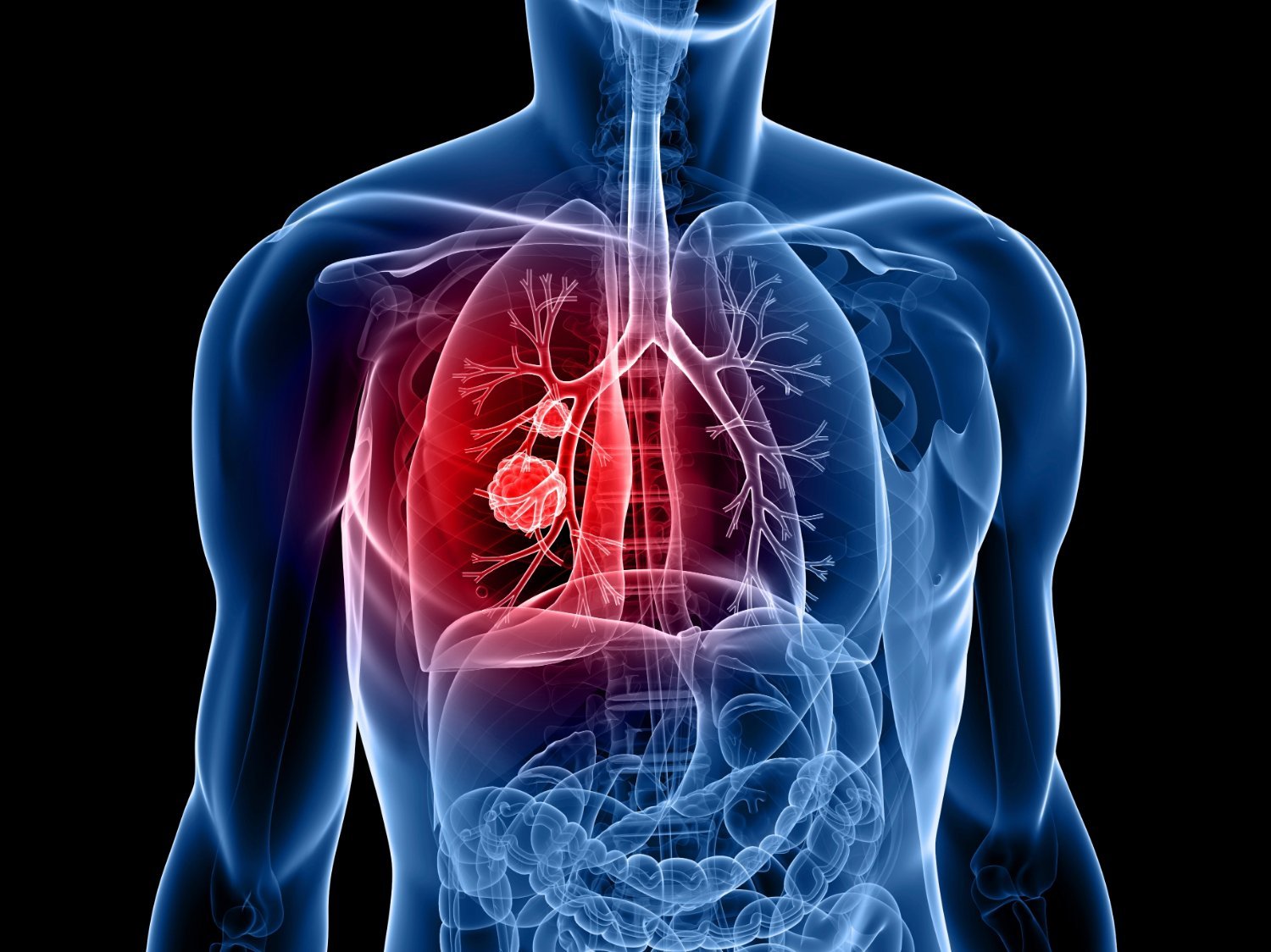
2. The “Schamroth Window Test” Becoming Negative
A simple self-check for early lung cancer signs
Normally, when you place the tips of your index fingers together nail-to-nail, a small diamond-shaped gap appears between the nails. This is called the Schamroth window.
What it means when the window disappears
If the gap closes or disappears entirely, it suggests digital clubbing—a condition strongly correlated with lung cancer.
Why this test matters
-
It is fast and easy to perform
-
It detects changes before symptoms like cough or pain begin
-
It reveals subtle fingertip swelling that may otherwise go unnoticed
If the Schamroth window is lost, schedule a medical appointment promptly.
3. Nail Thickening or Distorted Nail Shape
Changes caused by poor oxygen flow
Lung cancer can disrupt oxygen delivery throughout the body. When tissues are deprived of oxygen, nails may begin to change shape, color, or texture.
Signs to watch for
-
Nails thickening or becoming unusually hard
-
Nails growing more slowly
-
Warped or deformed nail growth
-
Nails separating slightly from the nail bed
Though nail changes are often linked to fungal infections, psoriasis, or aging, persistent distortion without a clear cause requires medical attention.
4. Pain, Softness, or Warmth in the Fingertips
Early inflammatory reactions linked to cancer
Some individuals with lung cancer experience warmth, tenderness, or increased sensitivity in the fingertips. This may occur due to inflammation or increased blood flow to the area.
Warning signs
-
Unexplained finger pain not caused by injury
-
Softening or “spongy” feeling of the nail bed
-
A sensation of throbbing or heat in the fingertips
These symptoms may appear early in cancer development and should not be dismissed if persistent.
Why Finger Changes Matter
Finger abnormalities often develop before more obvious symptoms of lung cancer appear. By paying attention to these subtle signs, individuals can seek evaluation sooner - leading to earlier detection and more effective treatment.
If you have any of these finger-related symptoms, especially in combination with risk factors, you should request:
-
A chest X-ray
-
A CT scan
-
Lung function tests
-
Bloodwork
Early diagnosis dramatically improves survival rates.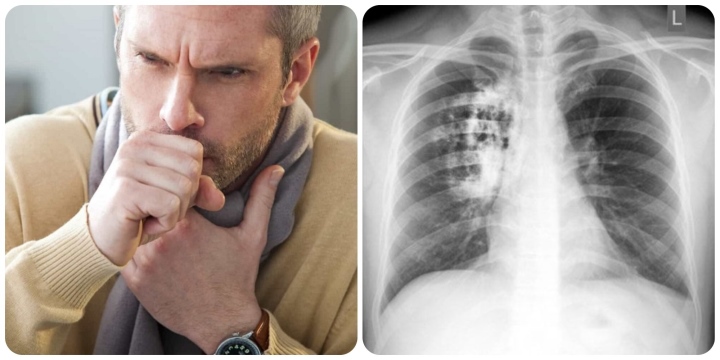
How to Reduce Your Risk of Lung Can.cer
While not all cases of lung cancer can be prevented, many lifestyle changes significantly lower your risk.
1. Quit Smoking - The Most Important Step
Smoking is responsible for around 85–90% of lung cancer cases.
Quitting smoking:
-
Reduces risk dramatically after just a few years
-
Improves lung function
-
Protects family members from secondhand smoke
Even lifelong smokers can benefit from quitting.
2. Avoid Secondhand Smoke
Passive smoke exposure increases lung cancer risk by 20–30%.
Keep your environments smoke-free and avoid spending time in enclosed spaces with smokers.
3. Reduce Exposure to Air Pollutants
Pollutants that increase lung cancer risk include:
-
Radon gas (a major cause in non-smokers)
-
Asbestos
-
Industrial chemicals
-
Heavy particulate pollution
Testing your home for radon and using air purifiers can reduce your risk.
4. Strengthen Your Immune System Through Nutrition
A healthy diet helps the body repair cell damage and fight inflammation.
Emphasize:
-
Leafy greens
-
Berries
-
Citrus fruits
-
Cruciferous vegetables
-
Foods rich in omega-3 fatty acids
-
Garlic and turmeric (anti-inflammatory properties)
Good nutrition supports long-term lung health.
5. Exercise Regularly
Physical activity improves lung capacity and reduces cancer risk by:
-
Enhancing oxygen flow
-
Improving metabolism
-
Strengthening the immune system
Aim for at least 150 minutes of moderate exercise weekly.
6. Get Regular Health Screenings
High-risk individuals should have annual screenings.
This includes:
-
Smokers
-
Former smokers
-
Individuals exposed to occupational pollutants
-
Those with a family history of lung cancer
Low-dose CT scans have been proven to reduce lung cancer mortality by detecting tumors early.
Final Thoughts
The fingers can reveal important clues about internal health. Changes such as clubbing, nail thickening, abnormal nail shapes, or fingertip pain may indicate lung cancer long before other symptoms appear. Paying attention to these early signs—and seeking prompt medical advice—can significantly improve outcomes.
Pairing this awareness with lifestyle choices such as quitting smoking, improving air quality, eating a nutrient-rich diet, and staying physically active can help protect your lungs throughout life.