4 Types of Vegetables Often “Soaked in Chemicals” at Markets—Even Sellers Avoid Them
At local markets, it’s easy to be drawn to vegetables that look fresh, bright, and perfectly shaped.
But according to a recent report, some of the most visually appealing vegetables may actually be treated with chemicals, raising concerns about food safety and nutritional quality.
Some vendors even admit that they prefer not to eat these “too perfect” vegetables themselves.
Why Do These Vegetables Look So Perfect?
To make produce more attractive and increase sales, some sellers may use:
- Whitening agents
- Preservatives
- Growth stimulants
While these methods can improve appearance, they may:
- Reduce natural flavor
- Lower nutritional value
- Leave behind chemical residues
1. Unnaturally White Water Bamboo (Củ Niễng)
Naturally, water bamboo has a slightly off-white color with hints of yellow or green and may show small spots.
However, at markets, some versions appear:
- Bright white
- Smooth and shiny
- Almost “too perfect”
This may indicate chemical bleaching.
What to choose instead:
Pick ones with natural color variations and a mild scent. Avoid overly white, slippery-feeling pieces.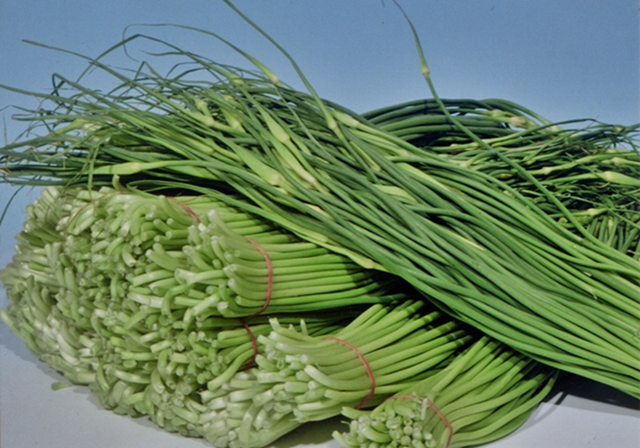
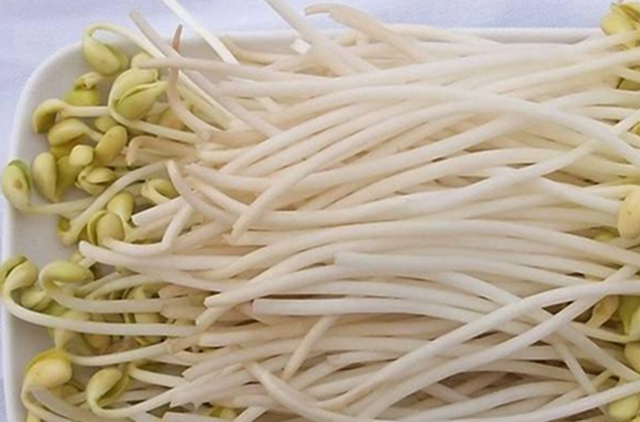
2. Bean Sprouts That Are Too White and Rootless
Traditional bean sprouts usually:
- Have long roots
- Show a slightly yellowish tone
- Vary in size
But some sprouts sold today are:
- Pure white
- Thick and uniform
- Almost completely rootless
These may have been treated with chemicals to speed growth and improve appearance.
Experts warn that long-term consumption of chemically treated sprouts may affect the liver and kidneys if residues accumulate.
3. Out-of-Season Leeks or Green Onions Available Year-Round
Some vegetables are naturally seasonal, but when they appear fresh all year with:
- Bright green color
- Unusual freshness
- Long shelf life
…they may have been:
- Cold-stored
- Treated with preservatives
These products often:
- Lose their natural taste
- Contain fewer nutrients
Tip: Choose seasonal vegetables whenever possible—they are usually fresher and safer.
4. Overly Perfect, “Flawless” Vegetables
A key warning sign is vegetables that look too perfect:
- No blemishes
- Uniform color
- Shiny surface
In reality, naturally grown vegetables often:
- Have uneven shapes
- Show small spots or imperfections
Ironically, these “less attractive” options are often the safer choice.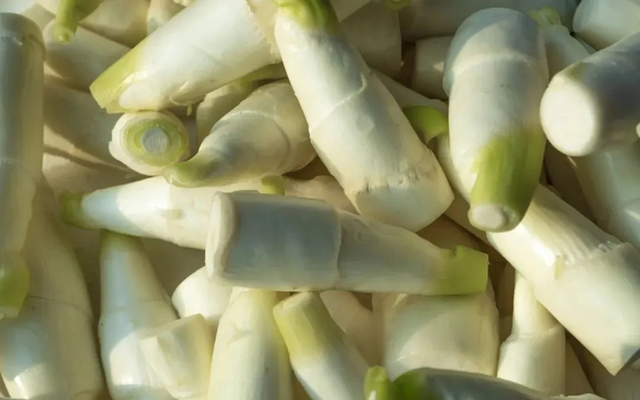
What Should Consumers Do?
To reduce risk when buying vegetables:
- Don’t judge by appearance alone
- Choose naturally colored, imperfect produce
- Smell and touch before buying
- Prioritize seasonal and locally grown vegetables
The Bottom Line
Beautiful vegetables aren’t always the healthiest.
In many cases, the more “imperfect” ones may actually be safer and more natural—making them a better choice for your daily meals.