
Stop Putting These 7 Foods in the Fridge—You Could Be Wasting Money Without Realizing It
For many households, the refrigerator is seen as a “safe place” to store almost everything. But in reality, not all foods benefit from cold storage.
In fact, some common items lose quality faster, develop harmful bacteria, or change in taste when kept in the fridge.
Here are 7 foods you should think twice about before putting them in the refrigerator.
1. Cooked Seafood Left Overnight
Seafood is rich in protein and spoils easily if not handled properly.
Even when refrigerated, cooked seafood left overnight can:
- Develop harmful bacteria
- Cause digestive issues like nausea, stomach pain, or diarrhea
Best tip: Only cook enough for one meal and avoid storing leftovers for too long.
2. Potatoes and Sweet Potatoes
Many people store all vegetables in the fridge, but potatoes don’t do well in cold environments.
Low temperatures can:
- Convert starch into sugar
- Change texture and taste
- Increase the risk of sprouting
Sprouted potatoes may produce harmful substances.
Better storage: Keep them in a cool, dry, well-ventilated place away from light.
3. Tropical Fruits (Bananas, Mangoes, Durian)
Tropical fruits are naturally adapted to warm climates.
Putting them in the fridge too early can cause:
- “Cold shock”
- Darkened skin
- Loss of flavor and texture
Bananas, for example, may turn black on the outside while not actually staying fresh inside.
Tip: Store at room temperature and refrigerate only after cutting or preparing.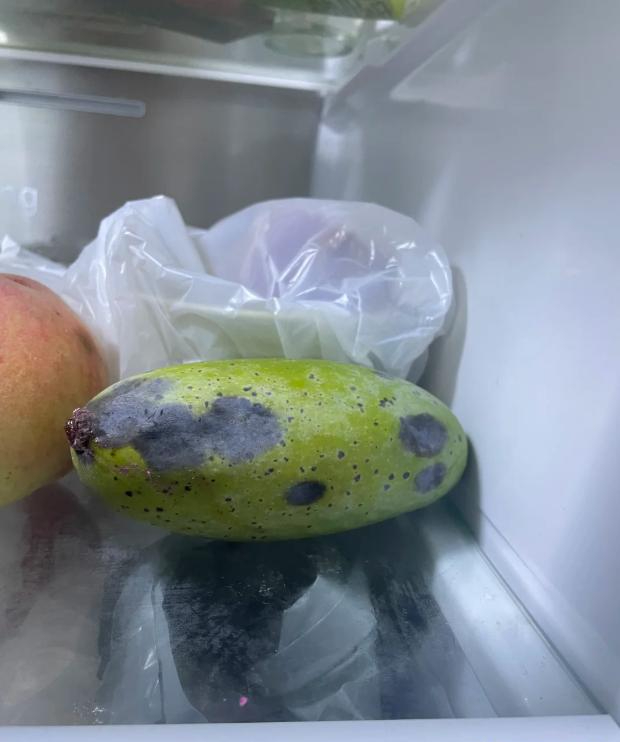
4. Bread
Storing bread in the fridge might prevent mold—but it creates another problem.
Cold temperatures accelerate starch crystallization, causing bread to:
- Dry out quickly
- Become hard and stale
Better option: Keep bread sealed at room temperature, or freeze it if storing long-term.
5. Citrus Fruits (Oranges, Tangerines, Grapefruit)
Although many people refrigerate citrus fruits, cold and humid conditions can:
- Alter the peel
- Affect flavor
- Sometimes create a slightly bitter taste
In some cases, they may even spoil faster than when kept at room temperature.
6. Honey
Honey has natural preservation properties and does not require refrigeration.
When stored in the fridge, it can:
- Crystallize
- Become thick and difficult to use
- Lose some quality over time
Best storage: Keep it in a dry, cool place at room temperature.
7. Nuts
Many people refrigerate nuts to extend shelf life, but moisture in the fridge can:
- Cause mold if not sealed properly
- Reduce quality
Better method: Store in airtight containers in a dry place away from sunlight.
Don’t Turn Your Fridge Into “Unlimited Storage”
The refrigerator is useful—but not everything belongs inside it.
Overloading your fridge with the wrong foods can:
- Reduce food quality
- Increase waste
- Cost you more money over time
Sometimes, simple storage habits at room temperature are actually the smarter choice.
The Bottom Line
Not all foods benefit from refrigeration.
Understanding how to store each item properly can help preserve taste, reduce waste, and save money.