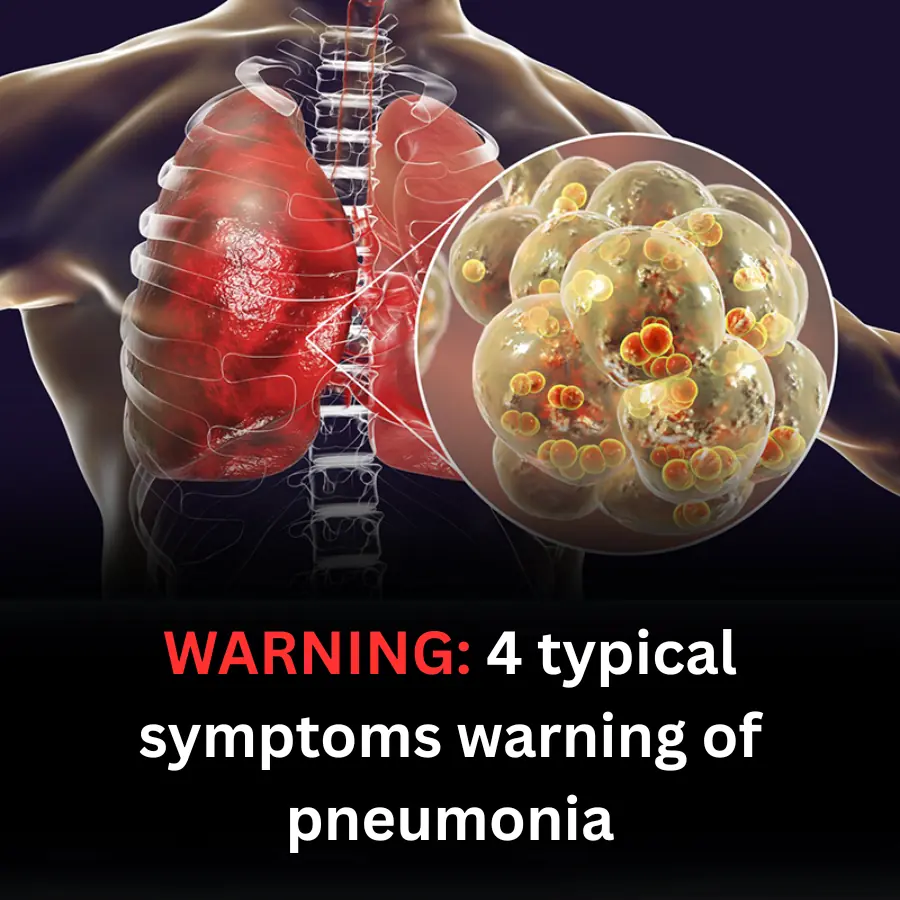
Pneumonia is a common respiratory condition that tends to occur more frequently in cold and humid weather. The disease can progress rapidly and lead to dangerous complications if not detected and treated promptly. Early recognition of symptoms helps individuals seek medical care in time and prevent serious outcomes.
Pneumonia is one of the most prevalent respiratory illnesses today, particularly during cold and rainy seasons when children and older adults are more susceptible. Without timely diagnosis and treatment, pneumonia may progress to severe complications and even become life-threatening. Therefore, prevention and early detection are essential.
Pneumonia is an inflammatory condition of the lung parenchyma, involving inflammation of the alveoli, alveolar sacs, alveolar ducts, interstitial tissues, and terminal bronchioles. The airways and alveoli may fill with fluid or pus, leading to symptoms such as productive cough, fever, chills, and shortness of breath.
The condition is commonly caused by bacteria, viruses, or fungi. It can range from mild to severe. Pneumonia in newborns, young children, individuals over 65, or those with underlying diseases or weakened immune systems tends to be more dangerous.
Symptoms of Pneumonia
The clinical manifestations of pneumonia can vary from mild to severe, depending on the causative organism, age, and overall health of the patient. The four typical symptoms include:
1. Cough and changes in sputum or airway secretions
Cough is the earliest and most common symptom. Patients may have bouts of coughing that are dry or productive. The sputum may appear rusty, yellow, green, or purulent with an unpleasant odor.
2. Chest pain and worsening shortness of breath
Patients with pneumonia often experience chest pain localized to the affected area. The pain can range from mild discomfort to severe intensity. Shortness of breath may also occur—mild cases present with rapid breathing, while more severe cases involve shallow breathing or visible use of accessory respiratory muscles.
3. Fever
Fever is a common symptom and may occur intermittently or continuously, often accompanied by chills. Body temperature can rise to 40–41°C, although some patients—especially the elderly, young children, or those with weakened immune systems—may only have a mild fever of 38–38.5°C. When fever is high, the skin may appear flushed and hot; cyanosis of the lips or extremities is a warning sign of respiratory failure.
4. Dry lips, fatigue, and loss of appetite
Some patients may have skin petechiae, coated tongue, foul-smelling breath, fatigue, loss of appetite, nausea, headaches, or generalized body aches. Children with pneumonia may also show altered consciousness.
Dangerous Complications of Pneumonia
Even with treatment, individuals—especially those in high-risk groups—may still develop complications such as:
-
Lung abscess: Formation of a pus-filled cavity within the lung tissue.
-
Acute Respiratory Distress Syndrome (ARDS): Severe lung inflammation leading to low blood oxygen, particularly in patients with chronic lung disease such as COPD.
-
Sepsis: Bacteria from the lungs spread into the bloodstream and rapidly reach other organs.
-
Pleural effusion: Fluid accumulation between the lung and pleural cavity, causing difficulty breathing.
Pneumonia can be life-threatening, especially in elderly individuals, smokers, or patients with heart failure, as severe alveolar damage compromises breathing function.
Medical Recommendations
To prevent pneumonia, the following measures are advised:
-
Receive an annual flu vaccination to reduce the risk of influenza-related pneumonia.
-
Wash hands regularly to lower the risk of bacterial infection, especially before touching the eyes or nose.
-
Use alcohol-based hand sanitizers, which are more effective than soap in killing bacteria.
-
Stop smoking, as tobacco significantly increases the risk of respiratory infections.
-
Maintain a healthy lifestyle: get adequate sleep, consume fruits, vegetables, and whole grains, and exercise regularly to strengthen the immune system.
In summary: Pneumonia is a dangerous illness that tends to surge during colder seasons. However, diagnosis is not overly complicated. When suspicious symptoms appear, individuals should seek medical attention immediately to receive proper treatment and avoid serious complications.