Chapter 1: A Shocking Headline and a Plate of Everyday Vegetables

The image presents a scene that immediately attracts attention: a man lying in a hospital bed, medical equipment beside him, and a plate of green vegetables displayed in a circular inset. Across the bottom, a dramatic headline claims that a 41-year-old man died from acute kidney failure and that doctors pointed to three vegetables he ate almost every day.
For anyone who regularly prepares vegetables at home, the message may be unsettling. Vegetables are commonly recommended as part of a balanced diet. They provide fiber, vitamins, minerals, and other nutrients that support general health. Many families eat leafy greens almost daily, believing that fresh vegetables are among the simplest ways to improve their meals.
So why would a story connect vegetables with kidney failure?
The first step is to separate the claim from the medical evidence. The image does not provide the man's name, hospital, location, medical records, laboratory results, or a physician's report. It also does not identify all three vegetables supposedly involved. The online article associated with this headline explicitly describes its story as fictional entertainment, rather than a verified medical case. Therefore, the death and the alleged connection with three vegetables should not be presented as established facts.
That does not mean the subject is unimportant. Food choices can matter greatly for people whose kidneys are already damaged. Certain nutrients, particularly potassium and oxalate, may need to be managed in specific medical circumstances. The important distinction is that a food that requires moderation for one patient may be perfectly suitable for someone with healthy kidneys.
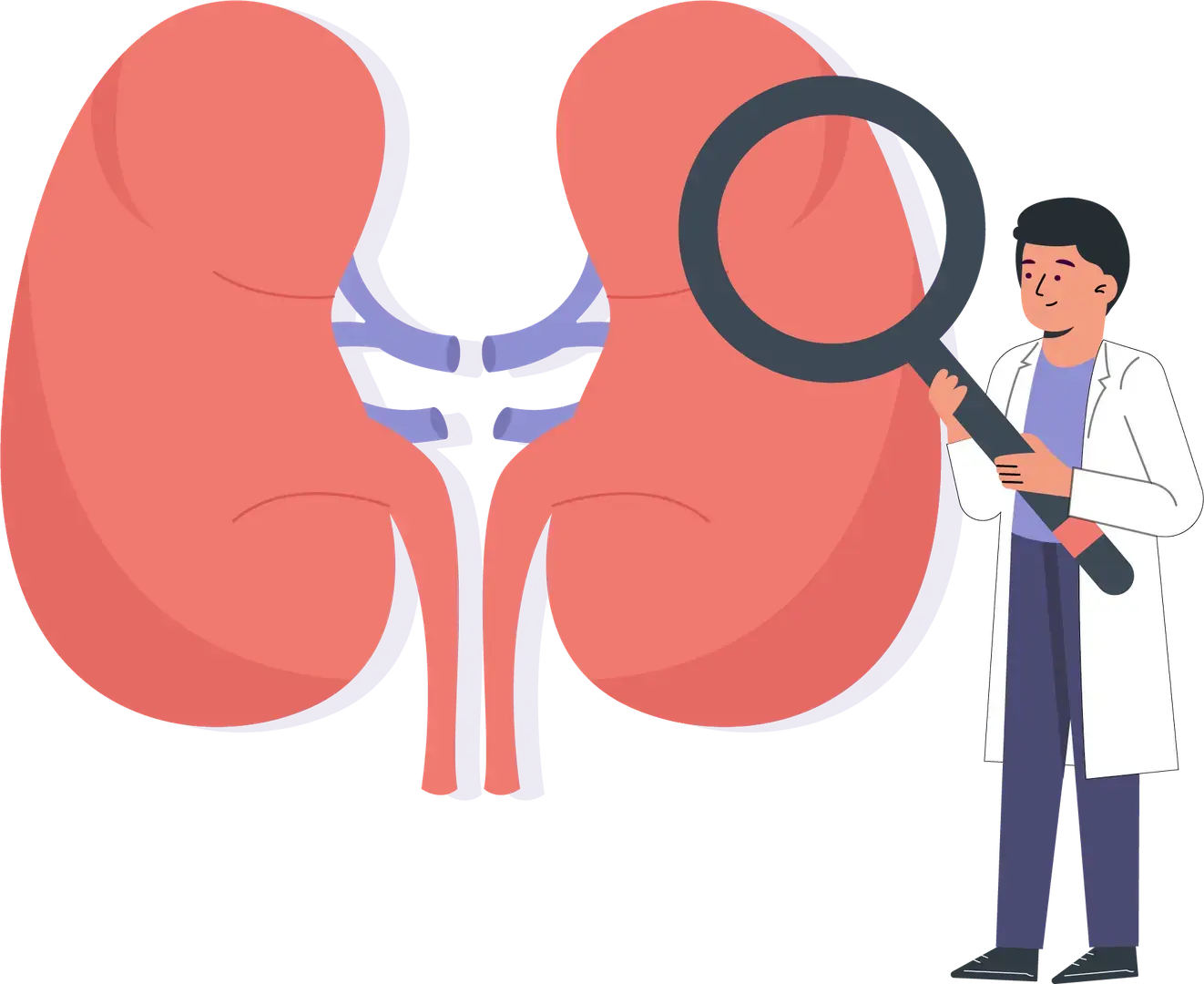
The kidneys are two essential organs located toward the back of the abdomen, on either side of the spine. They continuously filter the blood, remove waste products, regulate the body's fluid balance, and help maintain appropriate levels of minerals and electrolytes.
They also contribute to blood pressure regulation and the production of hormones involved in red blood cell production and bone health. Because they perform so many functions, a sudden decline in kidney function can affect several systems throughout the body.
Acute kidney injury, commonly called AKI, occurs when kidney function deteriorates over a relatively short period, often hours or days. It can develop during severe illness, dehydration, infection, major blood loss, certain medication exposures, or problems affecting the flow of urine. It is not a condition that can ordinarily be attributed to one vegetable simply because that food appeared frequently in someone's diet.
The World Health Organization explains that acute kidney injury can be reversible when identified and treated promptly, although it can also have serious consequences. Common causes include sepsis, major surgery, trauma, nephrotoxic medications, and volume depletion.
World Health Organization
This is why the headline deserves a more careful interpretation. If someone develops kidney failure, doctors must investigate the complete medical picture. They need to consider the patient's previous kidney function, blood pressure, diabetes status, medications, hydration, infections, urinary tract conditions, and blood test results.
A plate of vegetables cannot provide those answers.
The photograph may be designed to make viewers question familiar foods, but the more useful question is this: how can people protect their kidneys while continuing to enjoy a varied and nutritious diet?
The answer begins with understanding how the kidneys process minerals and fluids, why some patients receive dietary restrictions, and why healthy eating should never be reduced to a frightening list of forbidden foods.
Water spinach is a familiar leafy vegetable in many Asian meals. Its appearance in a food photograph does not establish that it caused or contributed to any medical condition.
Chapter 2: What Acute Kidney Failure Really Means
The term “acute kidney failure” can sound frightening, but understanding what happens inside the body helps explain why the condition requires medical attention.
Healthy kidneys filter waste products from the bloodstream and remove excess water through urine. They also help regulate sodium, potassium, calcium, and other substances that must remain within a relatively narrow range.
When kidney function suddenly declines, waste products may accumulate, fluid balance can become disrupted, and electrolyte levels may change. The effects depend on how severely the kidneys are affected and what caused the injury.
One important electrolyte is potassium. It plays a vital role in muscle contraction, nerve signaling, and the normal electrical activity of the heart.
People with healthy kidney function generally remove excess potassium through urine. However, when kidney function becomes significantly impaired, potassium may accumulate in the blood. This condition is called hyperkalemia.
Severe hyperkalemia can interfere with the heart's electrical system and may cause dangerous heart rhythm disturbances. In some circumstances, it can become a medical emergency.
This is one reason why doctors sometimes recommend that patients with advanced kidney disease monitor their potassium intake. Certain vegetables, fruits, beans, and other foods contain substantial amounts of potassium. But the need to limit them depends on the patient's blood results and overall condition.