However, when someone is approaching the end of life because of advanced illness, frailty, or declining health, additional physical, emotional, and behavioral changes may become noticeable.
Families sometimes recognize these changes only in retrospect. A loved one may gradually lose interest in food, spend more time sleeping, become less mobile, or withdraw from social activities. These developments can be confusing and frightening, particularly when relatives are unsure whether they are witnessing ordinary aging, a treatable medical problem, or a sign that their loved one is becoming seriously ill.
There is an important distinction to understand: no collection of symptoms can reliably predict that an older person will die within a year. Some people experience gradual decline over several years, while others remain relatively stable until a sudden medical event. Many changes associated with the final stage of life can also result from treatable conditions.
Nevertheless, understanding common patterns of decline can help families recognize when an older person needs medical attention, additional support, or a conversation about future care.
This article explores five changes that may occur in older adults during the final stages of life, why they happen, how to distinguish them from other health problems, and how families can provide compassionate support.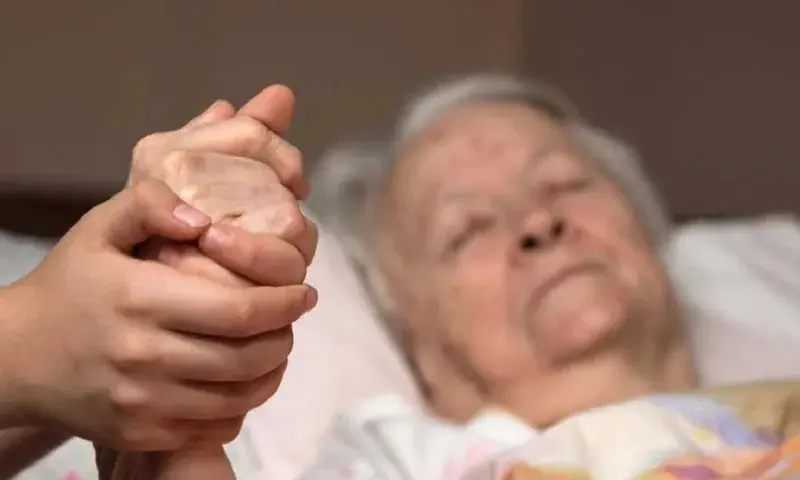
Chapter 1: Why the Body Changes as People Approach the End of Life
Aging is a gradual biological process. Over time, muscles may become weaker, bones may lose density, the immune system may become less effective, and the body's ability to recover from illness may decline.
These changes do not mean that every older person is approaching death. Many people remain active and independent well into their eighties and nineties.
However, when aging occurs alongside advanced disease or severe frailty, the body may become increasingly vulnerable.
Conditions such as advanced heart disease, chronic lung disease, dementia, cancer, kidney failure, and neurological disorders can gradually reduce a person's physical reserves.
A relatively minor infection or injury that a younger person might recover from easily can become much more serious for someone with multiple chronic illnesses.
The Difference Between Aging and End-of-Life Decline
Normal aging and end-of-life decline are not the same thing.
An older adult may walk more slowly because of arthritis, but that does not necessarily mean their overall health is deteriorating rapidly.
Someone may sleep longer because of medication, poor nighttime sleep, or an underlying sleep disorder.
Likewise, reduced appetite may result from dental problems, medication side effects, depression, or changes in taste and smell.
End-of-life decline generally refers to a broader pattern of worsening health associated with an advanced or life-limiting condition.
Doctors consider several factors when assessing this process, including:
-
Changes in mobility and independence.
-
Increasing difficulty performing everyday activities.
-
Repeated hospital admissions.
-
Progressive weight loss or muscle wasting.
-
Increasing dependence on caregivers.
-
Worsening symptoms from an underlying disease.
-
Reduced ability to recover after infections or other medical problems.
No single factor establishes that someone is entering their final year.
The overall pattern, medical history, and clinical assessment are much more informative than an isolated symptom.
Why Families May Notice Changes Before a Diagnosis
Family members often spend more time with older relatives than healthcare professionals do.
They may notice that a parent no longer enjoys favorite meals, struggles to climb stairs, becomes confused more frequently, or needs help getting dressed.
These observations can provide valuable information to doctors.
Rather than assuming that such changes are simply part of getting older, families should discuss persistent or worsening changes with a healthcare professional.
Early assessment may identify conditions that can be treated or managed.
Chapter 2: Sign One — Increasing Fatigue and Spending More Time Sleeping
One of the changes families may notice in an older person experiencing significant health decline is an increase in fatigue.
Someone who previously enjoyed morning walks, gardening, cooking, or visiting friends may gradually spend more time sitting or resting.
They may become tired after activities that once required little effort.
In more advanced illness, the person may sleep for much of the day and have less energy for conversations or social activities.
This can be particularly noticeable when compared with their previous routine.