5 Diseases That Can Cause Stomach Pain After Eating
Experiencing stomach pain after eating is a common issue that many people face occasionally. Sometimes it may simply be the result of overeating or consuming food that is difficult to digest. However, when stomach pain occurs frequently after meals, it may signal an underlying digestive condition that should not be ignored.
The digestive system works hard to break down food, absorb nutrients, and eliminate waste. If any part of this system becomes inflamed, blocked, or irritated, pain may occur shortly after eating. Understanding the possible causes can help people recognize when symptoms may require medical attention.
Below are five medical conditions that can cause stomach pain after eating, along with common symptoms associated with each.
1. Gastritis (Inflammation of the Stomach Lining)



Gastritis occurs when the lining of the stomach becomes inflamed or irritated. This inflammation can be triggered by several factors such as bacterial infection, excessive alcohol consumption, long-term use of certain medications, or chronic stress.
People with gastritis often experience:
-
Burning or aching pain in the upper abdomen
-
Nausea or vomiting
-
Bloating after meals
-
Feeling overly full even after small portions
Pain usually becomes more noticeable shortly after eating, particularly when consuming spicy, acidic, or fatty foods.
Treatment often involves medications to reduce stomach acid and lifestyle changes that help protect the stomach lining.
2. Peptic Ulcers


Peptic ulcers are open sores that develop in the lining of the stomach or the upper part of the small intestine. These ulcers are often caused by infection with Helicobacter pylori bacteria or prolonged use of anti-inflammatory medications.
Common symptoms include:
-
Burning stomach pain
-
Pain that worsens after eating
-
Nausea or vomiting
-
Loss of appetite
Ulcer pain may appear a few minutes to a few hours after meals, depending on where the ulcer is located.
With proper treatment, including antibiotics and acid-reducing medications, many ulcers can heal successfully.
3. Gallstones


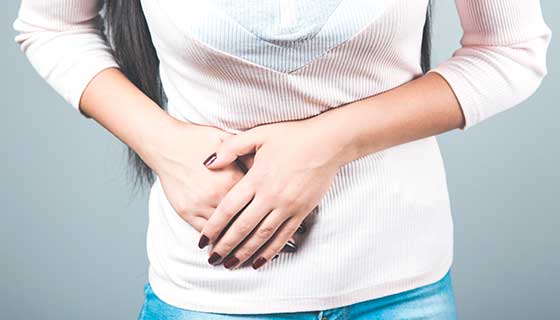
Gallstones are hardened deposits that form in the gallbladder, a small organ that helps digest fats by storing bile.
When gallstones block the bile ducts, they can cause sharp pain in the upper abdomen, particularly after eating fatty foods.
Symptoms often include:
-
Sudden pain in the upper right abdomen
-
Pain that spreads to the back or shoulder
-
Nausea and vomiting
-
Pain that occurs after heavy or greasy meals
Gallstone attacks often appear 30 minutes to several hours after eating, especially after large meals.
4. Acid Reflux (GERD)


Acid reflux occurs when stomach acid flows back into the esophagus, irritating its lining. When this condition becomes chronic, it is known as gastroesophageal reflux disease (GERD).
Typical symptoms include:
-
Burning sensation in the chest (heartburn)
-
Sour taste in the mouth
-
Pain after eating or when lying down
-
Difficulty swallowing
Large meals, fatty foods, caffeine, and spicy foods can trigger symptoms. Pain may appear soon after eating, especially if a person lies down shortly afterward.
Lifestyle adjustments and medications can help control reflux symptoms.
5. Irritable Bowel Syndrome (IBS)

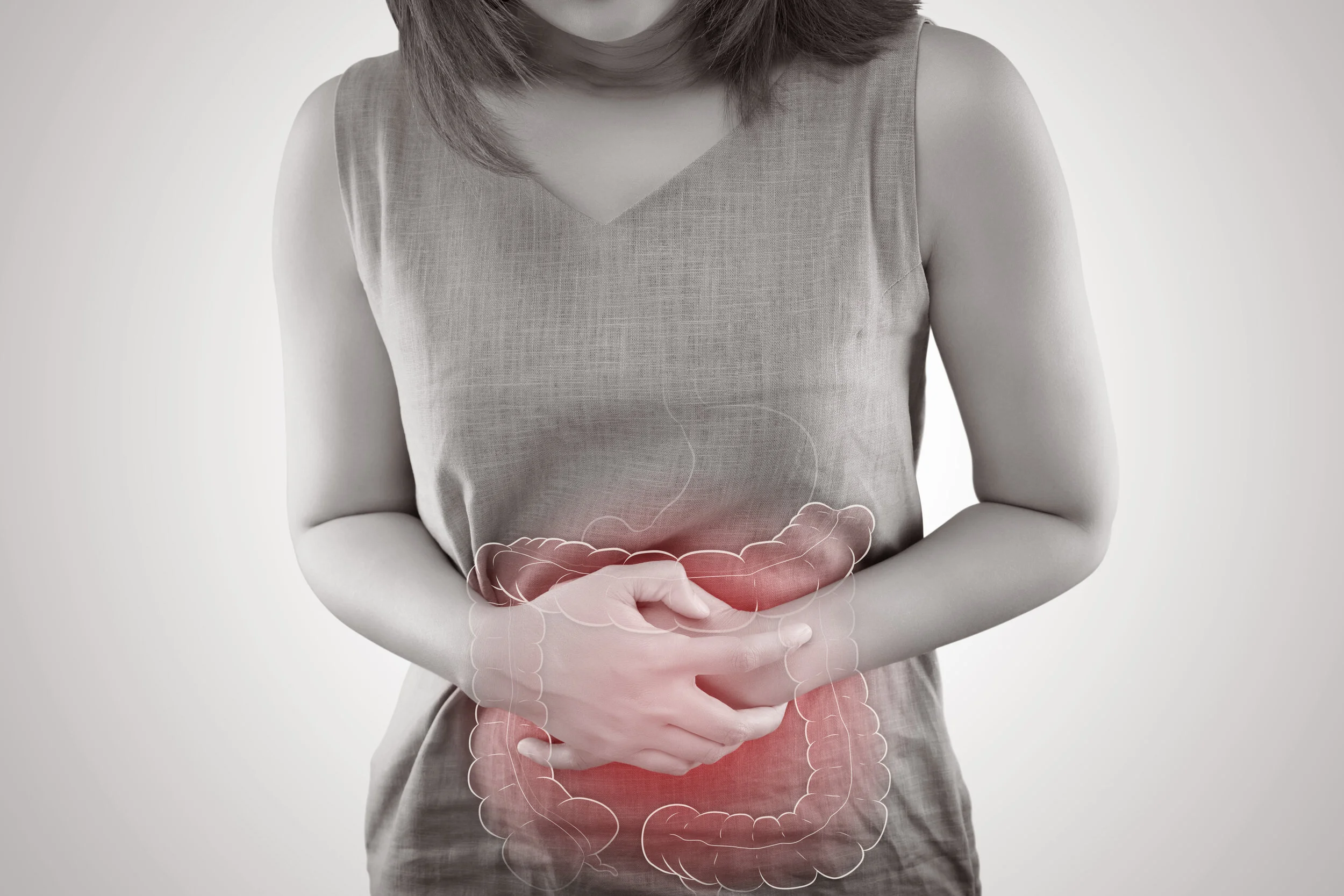

Irritable Bowel Syndrome is a functional digestive disorder that affects how the intestines move and process food.
People with IBS often experience:
-
Abdominal pain or cramping after meals
-
Bloating
-
Diarrhea, constipation, or both
-
Relief after a bowel movement
Certain foods — such as dairy products, fatty meals, or highly processed foods — may trigger symptoms.
Although IBS does not damage the intestines, it can significantly affect daily comfort and quality of life.
When Should Stomach Pain After Eating Be Checked by a Doctor?
Occasional stomach discomfort may not be a cause for concern. However, medical attention is recommended if symptoms include:
-
Persistent or worsening stomach pain
-
Unexplained weight loss
-
Vomiting or nausea that does not improve
-
Blood in stool or vomit
-
Difficulty swallowing
These symptoms may indicate a more serious digestive condition that requires professional evaluation.
Final Thoughts
Stomach pain after eating is often linked to common digestive issues, but repeated or severe discomfort should never be ignored. Conditions such as gastritis, peptic ulcers, gallstones, acid reflux, and irritable bowel syndrome can all cause pain after meals.
Recognizing patterns in symptoms — including when the pain occurs and what foods trigger it — can help doctors identify the underlying cause more quickly.
Maintaining a balanced diet, avoiding trigger foods, and seeking medical advice when symptoms persist are important steps toward protecting long-term digestive health.