Myasthenia gravis is a chronic autoimmune neuromuscular disease that causes weakness in the voluntary muscles. It happens when the immune system mistakenly attacks the communication between nerves and muscles, specifically at the neuromuscular junction. This disrupts nerve signals, making muscles weaken more easily with activity and improve after rest.
🧠 What causes it?

In most cases, the immune system produces antibodies that block or destroy receptors for a chemical called acetylcholine, which is needed for muscle contraction. As a result, the muscles don’t receive proper signals from the nerves.
⚠️ Common symptoms of myasthenia gravis
Symptoms often vary from person to person and tend to worsen with activity and improve with rest.
1. Muscle weakness that worsens with use
Weakness becomes more noticeable as the day progresses or after repeated activity.
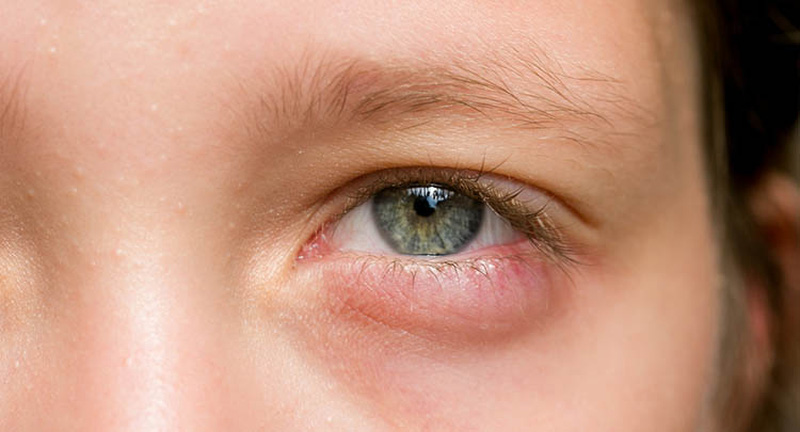
2. Drooping eyelids (ptosis)
One or both eyelids may sag, especially when tired.
3. Double vision (diplopia)
Weak eye muscles can cause blurred or double vision.
4. Difficulty speaking
Speech may become soft, nasal, or slurred.
5. Trouble chewing or swallowing
Fatigue in facial and throat muscles can make eating difficult.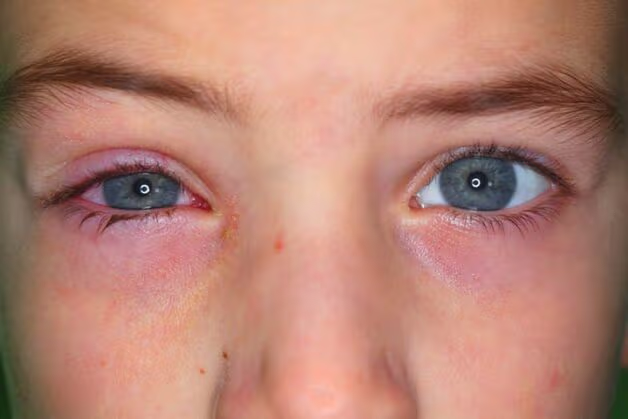
6. Weakness in arms and legs
Tasks like lifting objects, climbing stairs, or standing up may become harder.
7. Shortness of breath (in severe cases)
When respiratory muscles are affected, breathing can become difficult. This is a medical emergency.
🩺 When to seek medical help
You should see a doctor if you experience:
- Persistent muscle weakness
- Drooping eyelids or double vision
- Difficulty swallowing or speaking
Early diagnosis can help manage symptoms effectively and improve quality of life.
📌 Final note
Myasthenia gravis is a treatable condition, and many people can manage symptoms with medication, lifestyle adjustments, and medical care. However, it requires proper diagnosis and long-term follow-up by healthcare professionals.