Doctors Reveal the Health Effects of Consuming Pumpkin
Pumpkin is a widely enjoyed seasonal food, especially in the fall, but it is also consumed year-round in soups, desserts, and savory dishes. Beyond its taste and versatility, doctors and nutrition experts highlight that pumpkin can have several notable effects on the body—most of them beneficial when eaten in moderation.
So what actually happens when you regularly consume pumpkin?
1. Rich Source of Beta-Carotene
Pumpkin is packed with beta-carotene, a powerful antioxidant that the body converts into vitamin A. This nutrient plays a key role in:
- Supporting vision health
- Strengthening the immune system
- Maintaining healthy skin
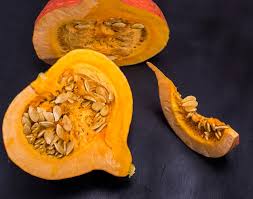
The bright orange color of pumpkin is a clear sign of its high carotenoid content.
2. Supports Eye Health
Vitamin A derived from beta-carotene is essential for good eyesight. Regular consumption of pumpkin may help:
- Improve night vision
- Protect the eyes from age-related decline
- Support overall retinal health
This makes pumpkin particularly beneficial for long-term eye maintenance.
3. Boosts Immune Function
Pumpkin contains a combination of nutrients that support the immune system, including:
- Vitamin A
- Vitamin C
- Antioxidants
- Fiber
These compounds help the body defend itself against infections and support overall resilience.
4. Aids Digestion and Gut Health
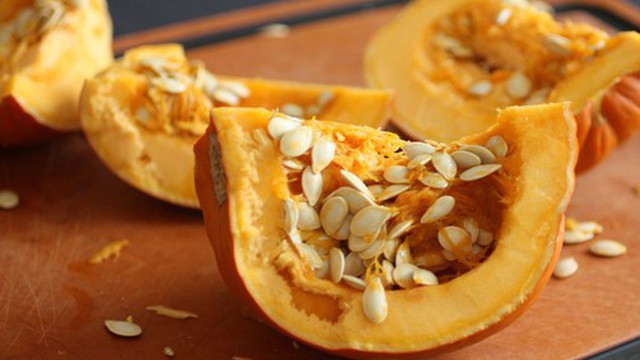
Pumpkin is naturally high in fiber and water content, which can support healthy digestion. Over time, eating pumpkin may:
- Promote regular bowel movements
- Support beneficial gut bacteria
- Reduce occasional constipation
It is generally gentle on the stomach and easy to digest.
5. May Support Heart Health
Pumpkin contains potassium, fiber, and antioxidants, which are all linked to cardiovascular health. These nutrients may help:
- Support healthy blood pressure
- Improve cholesterol balance
- Promote overall heart function
When included as part of a balanced diet, pumpkin can be a heart-friendly food.
6. May Help with Weight Management
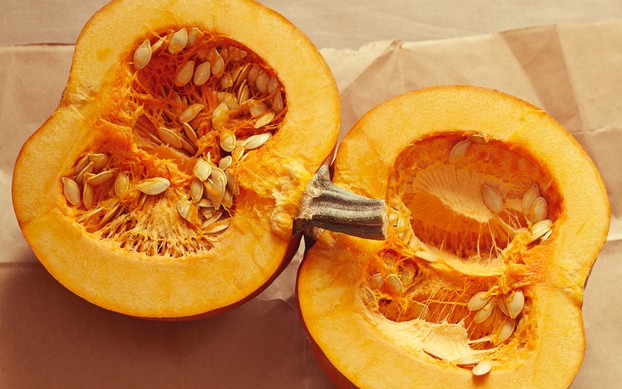
Pumpkin is low in calories but relatively filling due to its fiber content. This combination may help:
- Increase satiety (feeling full longer)
- Reduce overall calorie intake
- Support healthy weight management goals
It is often used in diet-friendly recipes for this reason.
7. Possible Considerations
While pumpkin is healthy for most people, there are a few things to keep in mind:
- Overconsumption may lead to excessive vitamin A intake when combined with other sources
- Sweet pumpkin dishes can contain added sugar, reducing health benefits
- Individual digestive responses may vary
Moderation is always important.
The Bottom Line
Doctors generally agree that pumpkin is a highly nutritious food with multiple health benefits, including improved eye health, immune support, and better digestion. When prepared in a healthy way and eaten as part of a balanced diet, it can be a valuable addition to your meals.
Simple, natural, and nutrient-rich—pumpkin is more than just a seasonal favorite.