
What Happens When You Drink Water on an Empty Stomach Right After Waking Up?
Drink Water After Waking Up: Why It Matters on an Empty Stomach
Health 17/04/2026 10:58
Gluten sensitivity has become a widely discussed topic in recent years. Gluten is a protein found in wheat, barley, and rye, and while most people can digest it without issues, some individuals may experience uncomfortable symptoms after consuming it.
Unlike celiac disease (an autoimmune condition) or a wheat allergy, gluten sensitivity is more difficult to diagnose because there is no single lab test for it. Instead, it’s identified based on symptoms and how the body responds after removing gluten from the diet.
Here are nine common signs that may suggest you are sensitive to gluten.

One of the most common signs is frequent bloating after meals containing bread, pasta, or baked goods. This discomfort may appear within hours of eating gluten-rich foods.
Gluten sensitivity can affect digestion, leading to irregular bowel movements, excessive gas, or alternating constipation and diarrhea.
Many people report feeling unusually tired after eating gluten. This fatigue can feel like a “brain fog” or general lack of energy that doesn’t improve with rest.

Cognitive symptoms such as poor focus, forgetfulness, or mental cloudiness are commonly reported in people sensitive to gluten.
Frequent headaches or unexplained migraines may be linked to gluten consumption in sensitive individuals.
Some people experience skin issues such as eczema-like rashes, itchiness, or irritation after eating gluten-containing foods.
Inflammation triggered by gluten sensitivity may lead to joint stiffness, muscle aches, or general body discomfort.
Gluten sensitivity may also affect mood, leading to irritability, anxiety, or mood swings after meals.
Some individuals notice sudden weight loss or weight gain without major lifestyle changes, which may be linked to digestive and metabolic disruption.
If you regularly experience several of these symptoms, it may be worth evaluating your diet. However, it’s important not to self-diagnose. Many conditions can cause similar symptoms, including stress, food intolerances, or digestive disorders.
A healthcare professional can help determine whether gluten is the cause and whether testing for conditions like celiac disease is necessary.
If you suspect gluten sensitivity:
Gluten sensitivity can affect the body in many different ways—from digestion to energy levels and even mood. Recognizing the signs early can help you make informed decisions about your health and improve your overall well-being.
However, the key is balance: don’t rush to eliminate foods without proper understanding. Listening to your body and seeking professional advice is always the safest approach.
Drink Water After Waking Up: Why It Matters on an Empty Stomach

A simple symptom turned serious—don’t ignore persistent itching.
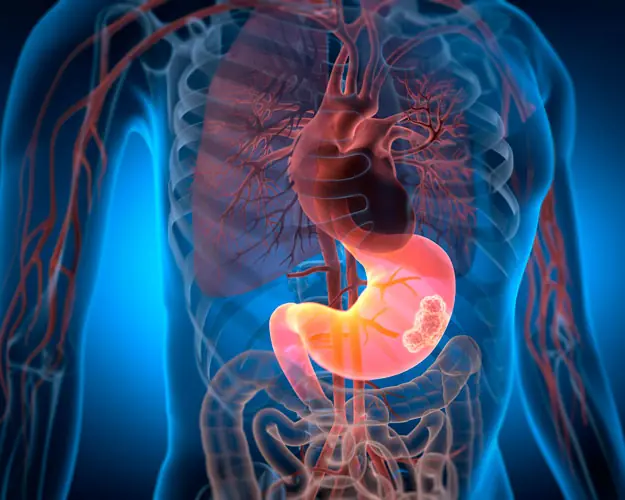
Your Body Warns You 1 Year Before Cancer—Did You Notice?

A 21-Year-Old Nearly Lost a Finger—All Because of This Daily Nail Habit
This Nighttime Habit Might Surprise You: Eating Bananas Before Bed

This Common Diet Could Be More Dangerous Than You Think
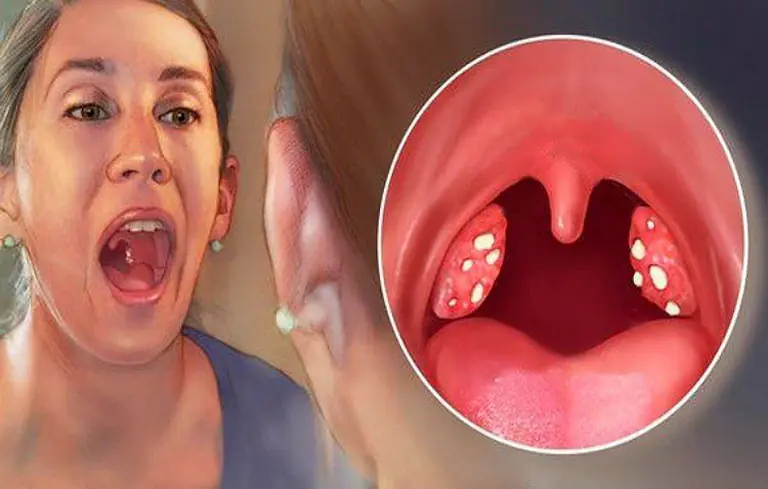
Noticing white bumps in your mouth? They could be related to underlying health issues. See more

You Won’t Believe What Happened After 4 Years

This Simple Vegetable Might Be the Key to Better Digestion and Heart Health
This Tiny Spice Could Transform Your Health Naturally
Experts Reveal the Benefits of Eating Garlic Regularly

What Do Macadamia Nuts Really Do to Your Health? Doctors Explain

Don’t ignore this subtle symptom—it could affect your hearing forever

What Causes Your Body to Twitch as You Fall Asleep?

Eating Corn: 11 Unexpected Effects on Your Body
This common condition could be the reason your breath smells bad
The hidden side effects of chayote

6 Simple but Effective Ways to Keep Mice Out of Your Home

Stretch Your Ring Finger With Your Thumb? Here’s What’s Actually Going On

Potatoes are popular—but here’s why some people should avoid them.
Drink Water After Waking Up: Why It Matters on an Empty Stomach
You Won’t Believe What Tomatoes Can Do to Your Body, According to Doctors
A simple symptom turned serious—don’t ignore persistent itching.

The Truth About Shrimp You Didn’t Expect
Your Body Warns You 1 Year Before Cancer—Did You Notice?
Green Broccoli: Doctors Reveal the Unexpected Effects
A 21-Year-Old Nearly Lost a Finger—All Because of This Daily Nail Habit
This Nighttime Habit Might Surprise You: Eating Bananas Before Bed
This Common Diet Could Be More Dangerous Than You Think
Noticing white bumps in your mouth? They could be related to underlying health issues. See more
You Won’t Believe What Happened After 4 Years

Steamed Ginger Daily: Warm Your Body, Boost Immunity, Beat Colds

This Tiny Creature Might Be Sending You a Powerful Message
This Hidden Symbol on Your Hand Could Reveal Your Destiny
This Simple Vegetable Might Be the Key to Better Digestion and Heart Health
This Tiny Spice Could Transform Your Health Naturally
Experts Reveal the Benefits of Eating Garlic Regularly
What Do Macadamia Nuts Really Do to Your Health? Doctors Explain