Doctors Reveal the Health Effects of Eating Tomatoes
Tomatoes are one of the most commonly consumed foods in the world. They appear in salads, sauces, soups, and countless dishes across many cuisines. But beyond their taste and versatility, doctors and nutrition experts highlight that tomatoes also offer a range of health effects—some beneficial, and a few worth paying attention to depending on the individual.
So what actually happens when you eat tomatoes regularly?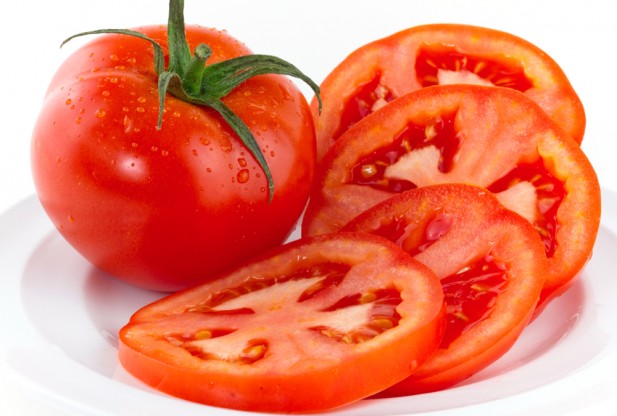
Rich in Powerful Antioxidants
One of the most important compounds in tomatoes is lycopene, a powerful antioxidant responsible for their red color. Research suggests that lycopene may help protect the body’s cells from oxidative stress caused by free radicals.
Oxidative stress is linked to aging and many chronic health conditions, so including lycopene-rich foods like tomatoes may support overall long-term health.
May Support Heart Health
Doctors often point out that tomatoes can be beneficial for cardiovascular health. The nutrients in tomatoes—including potassium, fiber, and antioxidants—may help support healthy blood pressure and improve cholesterol balance when consumed as part of a balanced diet.
A diet rich in fruits and vegetables, including tomatoes, is generally associated with a lower risk of heart disease.
Supports Skin Health

Tomatoes may also play a role in skin protection. Lycopene and vitamin C found in tomatoes can help support collagen production and may improve the skin’s resistance to sun-related damage over time.
While tomatoes are not a replacement for sunscreen, they can be part of a skin-friendly diet.
Aids Digestion
Tomatoes contain fiber and a high water content, both of which can support healthy digestion. For many people, they help promote regular bowel movements and overall gut comfort.
However, individual responses may vary depending on digestive sensitivity.
Possible Acid-Related Discomfort
Despite their benefits, tomatoes are naturally acidic. For some people, especially those with acid reflux or sensitive stomachs, consuming tomatoes may trigger:
- Heartburn
- Stomach discomfort
- Acid reflux symptoms
In these cases, reducing intake or avoiding raw tomatoes may help.
May Affect People with Sensitivities
Some individuals may experience mild reactions such as bloating or discomfort after eating tomatoes. This is usually not dangerous, but it can indicate a sensitivity to acidic foods or nightshade vegetables.
If symptoms are consistent, it may be worth discussing with a healthcare professional.
The Bottom Line
Tomatoes are highly nutritious and offer several potential health benefits, from heart support to antioxidant protection. For most people, they are a healthy addition to the diet.
However, like any food, they may not suit everyone perfectly. Paying attention to how your body reacts is key.
In moderation, tomatoes can be a simple, affordable, and powerful part of a balanced and healthy lifestyle.