Personal hygiene is something most women learn about from an early age.
Wash regularly. Change your underwear. Take a shower. Keep your body clean.
Simple, right?
But when it comes to intimate hygiene, things can become a little more complicated.
There are countless products marketed specifically toward women—feminine washes, scented wipes, sprays, deodorants, powders, special soaps, and other products that promise to make you feel “cleaner” or “fresher.”
The problem?
More cleaning isn't always better.
In fact, some habits that seem hygienic may actually irritate sensitive skin or interfere with the body's natural balance.
The vagina has its own natural cleaning system, and healthy vaginal bacteria help maintain an environment that protects against harmful microorganisms. Normal vaginal discharge is also part of this process.
That doesn't mean hygiene isn't important.
It means the goal should be gentle, appropriate hygiene—not aggressive cleaning.
Here are five common mistakes worth knowing about.
1. Washing Inside the Vagina
This is probably one of the biggest misconceptions about feminine hygiene.
Some women believe they need to wash inside the vagina to remove discharge, menstrual blood, semen, or odor.
This practice is called douching.
It typically involves flushing water or another liquid mixture into the vagina.
It may sound like a thorough way to clean yourself.
But medically, it's generally unnecessary and can cause problems.
The vagina is designed to clean itself naturally. Its normal secretions help remove dead cells and maintain its environment. Beneficial bacteria also contribute to the vagina's naturally acidic environment.
Douching can disturb that natural balance.
The U.S. Office on Women's Health says doctors recommend against douching because it can alter the normal balance of vaginal bacteria and acidity and is associated with problems including bacterial vaginosis and irritation.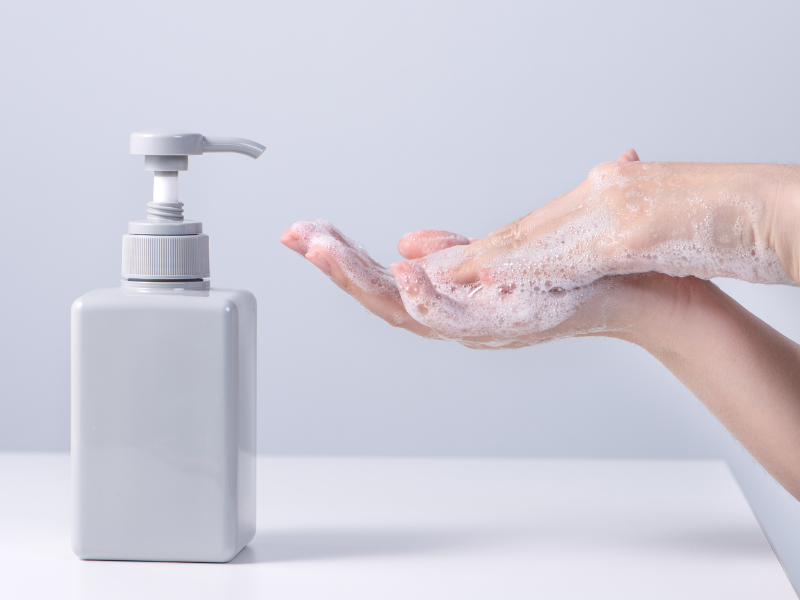
What should you do instead?
Focus on the vulva, which is the external genital area.
During a shower or bath, gently rinse the external area with warm water.
There's no need to flush anything inside the vagina.
As ACOG explains, plain water can be adequate, particularly if the external skin is sensitive or irritated.
The goal isn't to make the area completely odorless.
A healthy vagina can have a mild natural scent.
2. Using Too Many Scented Products
Walk into a store and you'll probably find an entire collection of products designed to make intimate areas smell “fresh.”
Scented wipes.
Feminine sprays.
Perfumed soaps.
Scented pads.
Deodorizing products.
Fragranced washes.
They may smell pleasant, but that doesn't necessarily mean they're good for sensitive skin.
The vulvar area can be particularly sensitive to fragrances, dyes, detergents, and other potential irritants.
ACOG recommends avoiding perfumed products and feminine sprays because they can contribute to irritation.
If you notice itching, burning, redness, or discomfort after using a new product, consider stopping it rather than adding another product to “fix” the irritation.
Sometimes the simplest routine is the better routine.
A good rule:
If a product is heavily fragranced and you're using it specifically to make your intimate area smell different, think twice before using it.
A natural, mild odor is not automatically a sign of poor hygiene.
3. Scrubbing Too Hard
Clean doesn't mean you have to scrub until your skin feels squeaky.
This is especially important around the vulva.
The skin in this area can become irritated when exposed to excessive friction, harsh cleansers, or aggressive scrubbing.
If you're washing the area, gentle is the key word.
Use your hands rather than aggressively scrubbing with rough materials.
Rinse thoroughly.
Then gently pat the area dry instead of rubbing it vigorously.
ACOG recommends gently rinsing the vulva and patting it dry, particularly when dealing with irritation.
Why does this matter?
The skin acts as a protective barrier.
Repeated irritation can make that barrier more vulnerable and may contribute to discomfort.
If you've already developed itching or burning, continuing to scrub harder usually isn't the solution.
In fact, it may make things worse.
4. Staying in Wet or Sweaty Clothes for Too Long
This mistake has less to do with being “dirty” and more to do with moisture and irritation.
After exercising, swimming, or spending time in hot weather, underwear and clothing can become damp with sweat or water.
If you stay in wet clothing for hours, the warm, moist environment may become uncomfortable and can contribute to irritation.
ACOG recommends keeping the vulvar area dry and changing out of wet clothes promptly after swimming or exercising.
This doesn't mean you need to panic every time you sweat.
Sweating is completely normal.
The practical solution is simply to change into dry clothing when possible.
After a workout:
Take off sweaty clothes.
Shower when practical.
Dry the area gently.
Put on clean, dry underwear.
And avoid unnecessarily tight clothing if it causes discomfort.
Simple habits can make a big difference.
5. Wiping in the Wrong Direction
This may sound like a tiny detail, but it's one of the easiest hygiene habits to improve.
After using the bathroom, wipe from front to back.
This helps reduce the chance of transferring bacteria from the anal area toward the urethra or vaginal area.
ACOG specifically recommends wiping from front to back after using the bathroom.
It's a small habit, but it's worth making automatic.
You shouldn't need to think about it every time.
What About Vaginal Discharge?
This is another topic that deserves more attention because many women worry that normal discharge means they're not clean enough.
In many cases, vaginal discharge is completely normal.
ACOG explains that normal discharge is generally clear to white and doesn't have a noticeable odor, although the amount and consistency can naturally change throughout the menstrual cycle.
So seeing some discharge on your underwear doesn't automatically mean something is wrong.
You don't need to “wash it away” from inside the vagina.
However, changes from your usual pattern can be important.
Pay attention if you notice a significant change in:
-
Color
-
Odor
-
Amount
-
Consistency
-
Itching
-
Burning
-
Pain
A strong or unusual odor, abnormal discharge, itching, burning, or pain can sometimes indicate an infection or another medical problem.
That's a situation where seeing a healthcare professional is more useful than trying stronger hygiene products.
Don't Try to Cover Up an Unusual Odor
This is one of the most important points.
Suppose you notice a strong, unusual vaginal odor.
Your first instinct might be to buy a feminine spray.
Then perhaps a scented wash.
Then deodorizing wipes.
You may temporarily make the smell less noticeable.
But you've potentially done nothing to address the underlying cause.
ACOG notes that a strong, noticeable odor may sometimes be associated with an infection or another medical issue, and sprays, deodorants, and douches are not recommended.
For example, bacterial vaginosis can cause increased discharge with a strong odor that is often described as fishy.
Instead of masking the symptom, get the cause evaluated.
Your Period Doesn't Mean You Need Aggressive Cleaning
Menstruation can create a temporary change in odor, discharge, and moisture.
That's normal.
But your period doesn't mean you need to scrub your vulva aggressively or wash inside the vagina.
Change menstrual products regularly according to their instructions.
Choose products that don't contain added fragrances if scented products irritate you.
Keep the external area clean and dry.
And remember that menstrual blood is not something that needs to be “deep cleaned” out of the vagina.
Your body naturally handles the process.
Underwear Matters, Too
Underwear is another part of intimate hygiene that often gets overlooked.
ACOG recommends breathable clothing and cotton underwear for people experiencing vulvar irritation, and suggests avoiding tight-fitting clothing when it contributes to discomfort.
That doesn't mean synthetic underwear is automatically unhealthy.
Different people have different levels of sensitivity.
But if you regularly experience irritation, switching to looser clothing and breathable cotton underwear may be worth trying.
And if underwear becomes wet or sweaty, changing into a dry pair can improve comfort.
What About Sleeping Without Underwear?
There isn't a universal requirement that every woman sleep without underwear.
However, if you experience irritation or prefer more airflow at night, going without underwear can be an option.
ACOG includes avoiding underwear at night among measures that may help minimize vulvar irritation in some situations.
The key is comfort.
There is no need to force yourself into a particular routine if you don't have a problem with your current one.
Be Careful With “Natural” Remedies
Another common mistake is assuming that something is safe simply because it is natural.
You may see advice recommending vinegar, baking soda, essential oils, herbs, or other homemade mixtures for vaginal cleansing.
Natural does not automatically mean harmless.
The vagina has a specific biological environment.
Introducing substances that aren't intended for vaginal use can cause irritation or disrupt the normal balance.
The Office on Women's Health specifically notes that douching mixtures can contain substances such as vinegar, baking soda, or iodine, and recommends against douching.
When it comes to intimate hygiene, simple is usually safer than complicated.
What Does a Healthy Hygiene Routine Actually Look Like?
For many women, an appropriate routine doesn't need to be complicated.
Think about these basics:
During a shower
Gently clean the external vulvar area.
Use warm water.
If you use soap, choose a mild, fragrance-free option and avoid putting soap inside the vagina.
Rinse thoroughly.
After showering
Pat the area dry.
Avoid aggressive rubbing.
After using the bathroom
Wipe from front to back.
After exercise
Change out of wet or sweaty clothing.
During your period
Change menstrual products appropriately and choose fragrance-free products if scented ones cause irritation.
Every day
Wear clean underwear.
Choose breathable clothing when practical.
And avoid unnecessary scented products around the vulva.
These recommendations align with guidance from ACOG and the Office on Women's Health.
When Should You See a Healthcare Professional?
Good hygiene doesn't prevent every vaginal or vulvar problem.
Sometimes symptoms have nothing to do with hygiene at all.
You should consider medical evaluation if you experience symptoms such as:
-
Persistent itching
-
Burning
-
Significant redness or swelling
-
Pain when urinating
-
Pain during sex
-
Unusual or strong odor
-
A significant change in discharge
-
Pelvic or lower abdominal pain
-
Symptoms that keep returning
These symptoms can have different causes, including infections and skin conditions, so guessing based on appearance or odor isn't always reliable.
And importantly, don't douche before seeing a healthcare professional.
Douching can alter the vaginal environment and may make it harder to determine what's causing the symptoms.
The Biggest Myth About Feminine Hygiene
Perhaps the biggest misconception is this:
“If something smells natural, looks natural, or produces discharge, it must mean I'm not clean enough.”
Not necessarily.
The vagina is not supposed to smell like perfume.
It's not supposed to be completely dry.
And it doesn't need to be scrubbed or disinfected.
A healthy vaginal environment contains microorganisms and naturally occurring secretions that play important roles in maintaining vaginal health.
The goal isn't to eliminate everything.
The goal is to protect the body's natural balance while keeping the external area comfortable and clean.
Final Thoughts
Personal hygiene is important, but more aggressive cleaning doesn't necessarily mean better hygiene.
In fact, some of the habits marketed as ways to feel “extra fresh” may cause irritation or disrupt the natural vaginal environment.
The five mistakes to remember are:
1. Washing or douching inside the vagina.
2. Using heavily scented feminine products.
3. Scrubbing the vulva too aggressively.
4. Staying in wet or sweaty clothes for too long.
5. Wiping from back to front after using the bathroom.
Instead, keep your routine simple.
Clean the external area gently.
Avoid unnecessary fragrances and douching.
Keep the area dry and comfortable.
Wear clean, breathable underwear.
And pay attention to changes that aren't normal for you.
Most importantly, don't feel embarrassed about asking questions about vaginal or vulvar health.
Good hygiene isn't about making your body smell like perfume or eliminating every natural sensation. It's about understanding your body, protecting its natural balance, and recognizing when something genuinely needs medical attention.
If you notice persistent itching, burning, pain, unusual discharge, or a strong change in odor, don't try to hide the problem with stronger hygiene products.
Sometimes, the healthiest hygiene habit is knowing when to stop cleaning—and start listening to your body.