Have you ever wondered what happens when you eat a boiled banana before sitting down for a meal? This simple food has been part of traditional diets in many parts of the world for generations. Yet, despite its familiar appearance, a boiled banana offers several nutritional benefits that many people may not fully understand.
Some people eat boiled bananas to feel fuller, others enjoy them as a gentle source of carbohydrates, and some believe they can improve digestion or help control blood sugar. But how much of this is supported by nutrition science? Does eating a boiled banana before a meal actually make a difference, or is the timing less important than the food itself?
The answer depends on several factors, including the banana's ripeness, the portion you eat, how it is prepared, and your individual health needs.
Bananas contain carbohydrates, fiber, potassium, and other nutrients. Boiling changes their texture and can influence how their starch is digested, particularly when the fruit is still green. These differences may affect how filling the banana feels and how your body processes its carbohydrates.
However, eating boiled bananas before a meal is not a proven treatment for diabetes, digestive disease, high blood pressure, or weight problems. The potential benefits are best understood as part of an overall balanced diet.
In this article, we will explore what may happen when you eat boiled bananas before meals, how ripeness affects their nutritional properties, who may benefit from including them in their diet, and what precautions are worth knowing.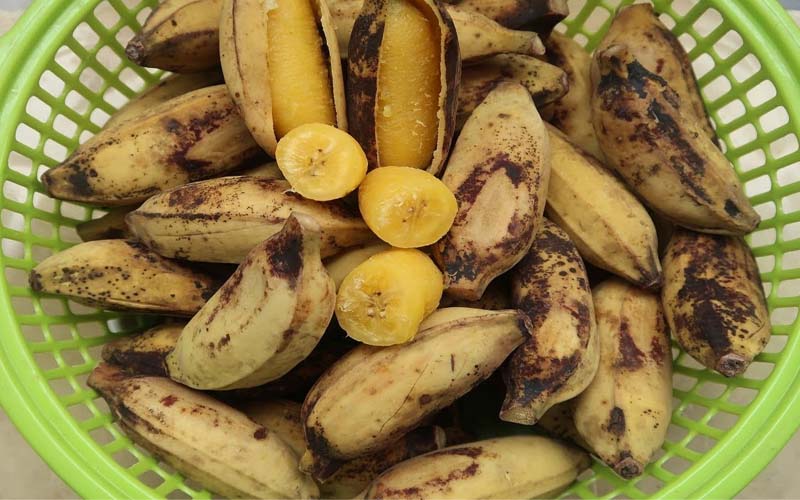
1. You May Feel Fuller Before Your Main Meal
One possible benefit of eating a boiled banana before a meal is increased fullness.
Bananas provide carbohydrates and dietary fiber. These nutrients contribute to the feeling of satisfaction you experience after eating, although the effect varies according to portion size, ripeness, and what else you eat.
A medium banana contains approximately 100–110 calories, although the exact amount depends on its size. It also provides several grams of fiber and naturally occurring sugars.
When you eat a banana before lunch or dinner, you are adding food to your stomach before the main meal begins. This may help some people feel less hungry and become satisfied with a smaller portion of their main dish.
For example, someone who arrives at dinner feeling extremely hungry might eat a small boiled banana beforehand and find it easier to eat at a comfortable pace.
However, this effect is not guaranteed. Some people may simply consume the banana in addition to their usual meal, increasing their total calorie intake.
The distinction matters if your goal is weight management.
Eating a boiled banana before a meal may help if it replaces a less nutritious snack or supports comfortable portion sizes. It is less likely to help with weight loss if it consistently adds extra calories without changing the rest of your diet.
How can you use this to your advantage?
If you tend to become excessively hungry before meals, consider whether a small, planned snack would help.
A boiled banana can be one option, but it is not the only one. Fruit paired with yogurt, a small serving of nuts, or another balanced snack may also help, depending on your nutritional needs.
You do not need to eat a banana before every meal. The most important factor is your overall eating pattern, not a specific food ritual.
2. Green Boiled Bananas May Provide Resistant Starch
One of the most interesting nutritional features of green bananas is their resistant starch content.
Starch is a carbohydrate that the body can break down into glucose. However, resistant starch behaves differently from much of the starch found in other foods.
As its name suggests, resistant starch resists digestion in the small intestine. Some of it reaches the large intestine, where gut microorganisms can ferment it.
Green, unripe bananas generally contain more resistant starch than fully ripe bananas. As bananas ripen, some of that starch is converted into sugars, making the fruit sweeter and softer.
Boiling green bananas softens the fruit and changes its starch structure, but the precise effect depends on the banana's ripeness, cooking time, and preparation.
Cooling cooked starchy foods can also increase the amount of resistant starch in some circumstances, although the effect varies and should not be assumed to be identical for every banana preparation.
Why does resistant starch matter?
Resistant starch can act as a substrate for beneficial gut bacteria. During fermentation, these microorganisms produce short-chain fatty acids, including butyrate, which plays a role in supporting the health of the intestinal lining.
This is one reason researchers are interested in resistant starch and its potential contribution to digestive and metabolic health.
However, the presence of resistant starch does not mean that eating one boiled banana will automatically improve gut health or prevent disease.
The effects depend on the amount consumed, the rest of the diet, and individual differences in digestion and gut microbiota.
If you want to increase your intake of resistant starch, green bananas may be one useful food to consider alongside other sources, such as beans, lentils, and certain cooked-and-cooled starchy foods.
3. Boiled Bananas Can Support Normal Digestive Function
Bananas contain dietary fiber, which contributes to normal bowel function.