What if bananas cause bloating?
Some people experience bloating or gas after eating green bananas, especially in larger portions.
This may occur because resistant starch and other fermentable carbohydrates can be processed by gut bacteria, producing gas.
If you notice discomfort, try a smaller portion or a different degree of ripeness.
If symptoms persist, keep track of your food intake and discuss the pattern with a healthcare professional.
Do not assume that increased gas means a food is detoxifying your body or removing harmful substances. Gas is a normal consequence of digestion and fermentation, but persistent discomfort deserves appropriate evaluation.
10. Is It Better to Eat Green, Yellow, or Ripe Bananas Before Meals?
The answer depends on what you prefer, how your digestive system responds, and your nutritional goals.
Each stage of ripeness has different characteristics.
Green bananas: These generally contain more resistant starch and have a firmer, starchier texture. They are often less sweet and may be useful when a recipe calls for a cooking banana.
Yellow bananas: These are usually softer and sweeter as more starch has been converted into sugars. They still provide carbohydrates, fiber, potassium, and other nutrients.
Very ripe bananas: These are generally softer and sweeter, often with brown spots on the peel. Their starch composition has changed during ripening, and they may be easier for some people to chew and digest.
There is no universally healthiest stage for everyone.
If your goal is to consume more resistant starch, green bananas may be a reasonable choice. If you prefer a sweeter taste and softer texture, a ripe banana may be more appealing.
If you have diabetes, the total carbohydrate content and portion size remain important regardless of ripeness.
It is also important to distinguish ordinary dessert bananas from plantains and other cooking varieties. These foods can differ in size, starch content, and typical serving portions.
The best choice is one that fits your health needs, dietary preferences, and overall eating pattern.
11. Does the Timing Before a Meal Really Matter?
This is the central question behind the popular claim.
Although eating a boiled banana before a meal may help some people feel fuller, there is limited direct evidence that eating boiled bananas specifically before meals provides unique health benefits compared with eating them at other times.
Most of the potential benefits come from the nutrients in the banana itself, not from a special effect that occurs when it is consumed before lunch or dinner.
For example:
-
Fiber contributes to normal digestive function.
-
Resistant starch in green bananas can be fermented by gut bacteria.
-
Potassium contributes to normal muscle and nerve function.
-
Carbohydrates provide energy.
-
Eating a snack before a meal may influence how hungry you feel.
These effects do not depend on a universal rule that bananas must be eaten first.
Some people may prefer eating fruit before a meal. Others may find it more comfortable to eat it afterward or as a separate snack.
If eating a banana before a meal makes you feel overly full, uncomfortable, or bloated, there is no reason to force yourself to continue.
Likewise, if you enjoy boiled bananas as part of your main meal, you can include them that way.
Consistency, variety, portion size, and the quality of your overall diet are generally more important than eating one food at a precise time.
12. Who Should Be Careful About Eating Boiled Bananas?
For most people, bananas are a safe and nutritious food. Nevertheless, individual health conditions can affect whether a particular serving is appropriate.
People with diabetes
Bananas contain carbohydrates that can raise blood glucose. Consider portion size, the ripeness of the fruit, and your overall meal composition.
If you use insulin or other glucose-lowering medications, follow your diabetes care plan rather than relying on bananas to control blood sugar.
People with chronic kidney disease
Some people with impaired kidney function need to limit potassium. Ask your healthcare professional or dietitian whether bananas fit your individual dietary plan.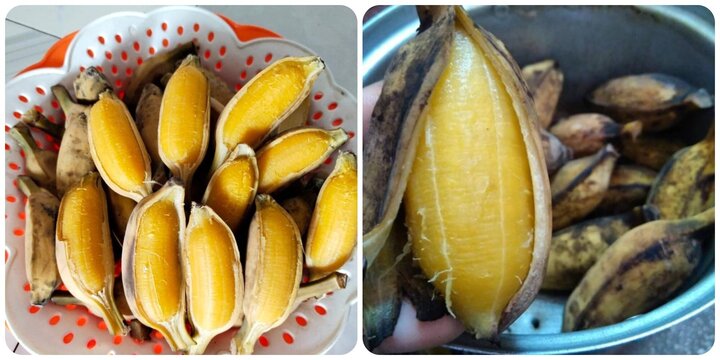
People who experience digestive discomfort
Green bananas contain resistant starch, which may contribute to gas or bloating in some people. Smaller portions or a different degree of ripeness may be more comfortable.
People with a banana allergy
Although uncommon, banana allergy can occur. Symptoms may include itching, hives, swelling, or other allergic reactions.
People with a known banana allergy should avoid eating bananas unless advised otherwise by an appropriate allergy specialist.
If you experience swelling of the tongue or throat, difficulty breathing, or other signs of a severe allergic reaction after eating a banana, seek emergency medical care.
People following a prescribed medical diet
If you have been given specific restrictions for potassium, carbohydrates, or another nutrient, consider those instructions when deciding how much banana to eat.
The same food can be suitable for one person and less suitable for another. Individualized advice is particularly important when managing chronic medical conditions.
13. How to Prepare Boiled Bananas for a Healthy Meal
If you want to include boiled bananas in your routine, preparation can be simple.
Step 1: Choose the banana
Select a banana that suits your preference and recipe. Green cooking bananas are firmer and starchier, while yellow bananas are sweeter and softer.