Different types of fiber have different effects. Some help retain water in stool, while others can be fermented by gut microorganisms. Resistant starch may also contribute to fermentation in the large intestine.
For people who do not regularly eat enough fiber, adding suitable amounts of fruit and vegetables to their diet can help improve overall fiber intake.
A boiled banana may be a convenient option because cooking softens the fruit and makes it easier to chew.
However, it is important to understand that the digestive effects depend on the banana's ripeness and the person's individual tolerance.
Green bananas contain more resistant starch, which may cause gas, bloating, or abdominal discomfort in some people, particularly when eaten in large amounts or when fiber intake increases suddenly.
Riper bananas generally contain less resistant starch and more readily available sugars.
Neither type is universally better for every digestive problem.
Can boiled bananas relieve constipation?
Bananas may contribute to fiber intake, but they should not be considered a guaranteed treatment for constipation.
Constipation can have many causes, including insufficient fiber, inadequate fluid intake, limited physical activity, medication effects, and underlying medical conditions.
If constipation is related to a low-fiber diet, gradually increasing fiber from a variety of foods may help. Drinking appropriate amounts of fluid and remaining physically active can also support bowel function.
However, suddenly eating large amounts of green bananas may worsen bloating or discomfort in some people.
If constipation is persistent, severe, or accompanied by blood in the stool, unexplained weight loss, vomiting, or significant abdominal pain, seek medical advice.
4. The Banana's Ripeness Can Influence Blood Sugar Response
One of the most important factors to consider is whether the banana is green, yellow, or very ripe.
Bananas contain carbohydrates, but their composition changes as they mature.
Green bananas generally contain more starch, including resistant starch. As the fruit ripens, much of that starch is converted into sugars such as glucose, fructose, and sucrose.
This change affects sweetness, texture, and potentially the way the carbohydrates are digested.
For some people, green bananas may produce a different blood glucose response from ripe bananas. However, the response varies according to portion size, preparation, individual metabolism, and the rest of the meal.
Boiling does not remove all carbohydrates from a banana.
That means boiled bananas can still raise blood glucose, especially when eaten in large portions. They should not be considered a carbohydrate-free food simply because they are not fried or prepared with added sugar.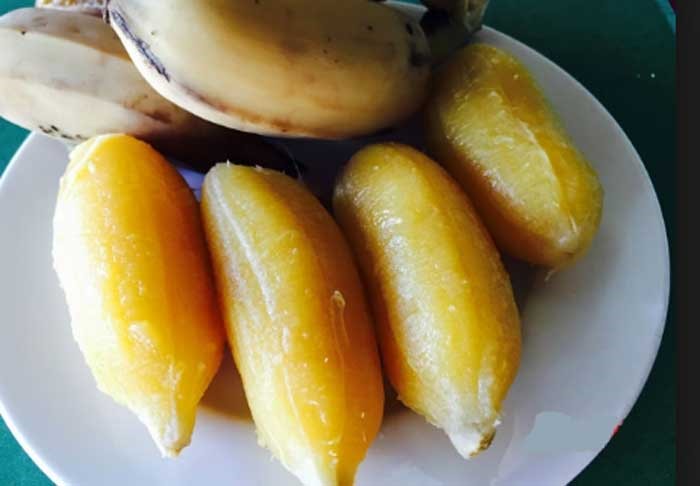
What if you have diabetes?
If you have diabetes or prediabetes, you do not necessarily need to avoid bananas.
The more useful approach is to consider the amount you eat, the banana's ripeness, and the total carbohydrates in your meal.
For example, eating a modest portion of boiled banana alongside protein-rich foods, vegetables, and other sources of fiber may produce a different overall meal response than eating a large portion of banana by itself.
However, adding protein or fiber does not guarantee that blood glucose will remain within a particular range.
If you monitor your blood glucose, your own readings may help you understand how different portions and preparations affect you.
Follow the dietary advice provided by your diabetes care team, particularly if you use insulin or medicines that can cause low blood sugar.
Boiled bananas may fit into a diabetes-friendly eating pattern, but they do not lower blood sugar automatically and should never replace prescribed treatment.
5. They Provide Potassium, an Important Mineral for the Body
Bananas are widely known as a source of potassium.
Potassium is an essential mineral that helps maintain fluid balance, supports nerve signaling, and allows muscles to contract normally. It also contributes to maintaining a healthy heart rhythm and regulating blood pressure.
A medium banana typically provides several hundred milligrams of potassium, although the exact amount varies with size and preparation.
Potassium is found in many other foods, including potatoes, beans, lentils, leafy green vegetables, yogurt, and various fruits.
Eating boiled bananas can therefore contribute to your overall potassium intake.
However, there is no special evidence that eating a banana immediately before a meal provides a unique potassium-related benefit compared with eating it at another time of day.
The important factor is your overall dietary intake.
Can bananas help lower blood pressure?
A diet that includes adequate potassium, alongside an appropriate sodium intake, can support healthy blood pressure in many people.
Potassium helps the body regulate sodium balance and plays a role in blood vessel function.
Nevertheless, eating boiled bananas alone is not a reliable way to treat high blood pressure. Blood pressure is influenced by several factors, including genetics, body weight, physical activity, sodium intake, alcohol consumption, medications, and underlying medical conditions.
If you have high blood pressure, consider a balanced dietary pattern rich in vegetables, fruit, whole grains, legumes, and other suitable foods.
Follow your clinician's advice regarding medication and sodium or potassium intake.
An important precaution
People with chronic kidney disease or certain other medical conditions may need to limit potassium. Some medications can also raise potassium levels.
If you have been advised to follow a potassium-restricted diet, ask your healthcare professional whether bananas are appropriate for you.
A food that is nutritious for one person may need to be limited by another person because of individual medical circumstances.