A thermos is a convenient tool for keeping drinks hot or cold, but some beverages can become problematic when stored inside for extended periods. Certain drinks may react with the flask's materials or create conditions that affect quality and safety, potentially leading to digestive issues and other health concerns.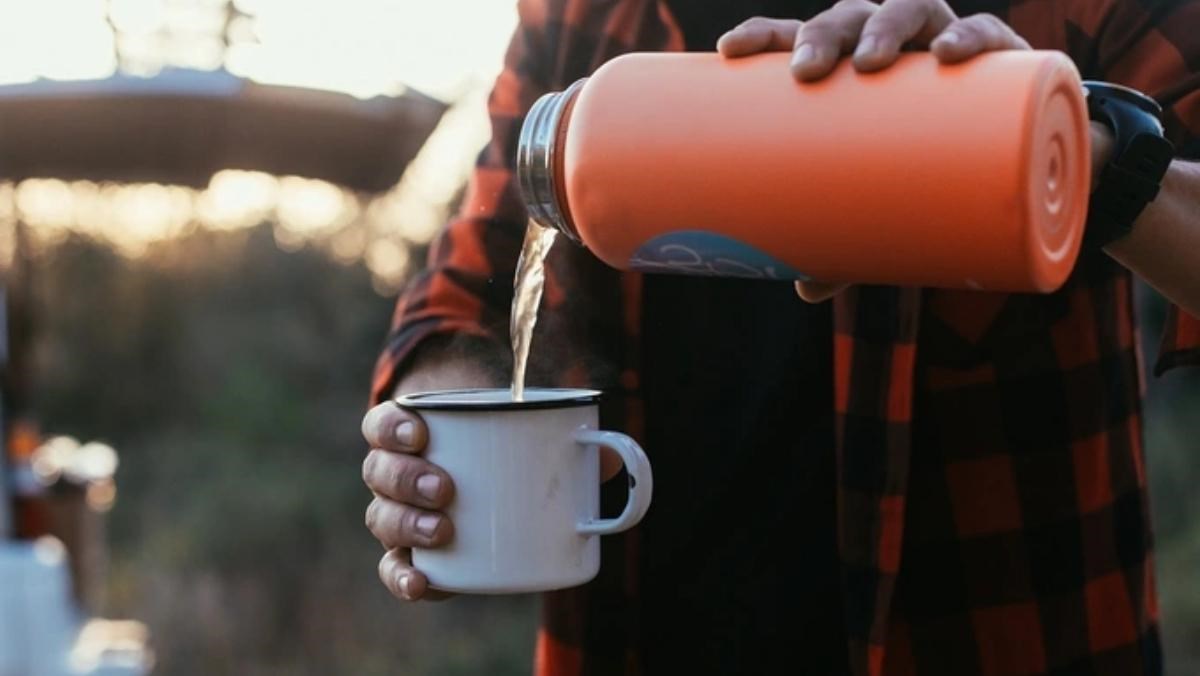
Here are five types of beverages that should never be stored in a thermos flask if you want to protect both your health and the lifespan of the container.
1. Tea
Tea is widely enjoyed for its health benefits, but it is not ideal for long-term storage in a thermos.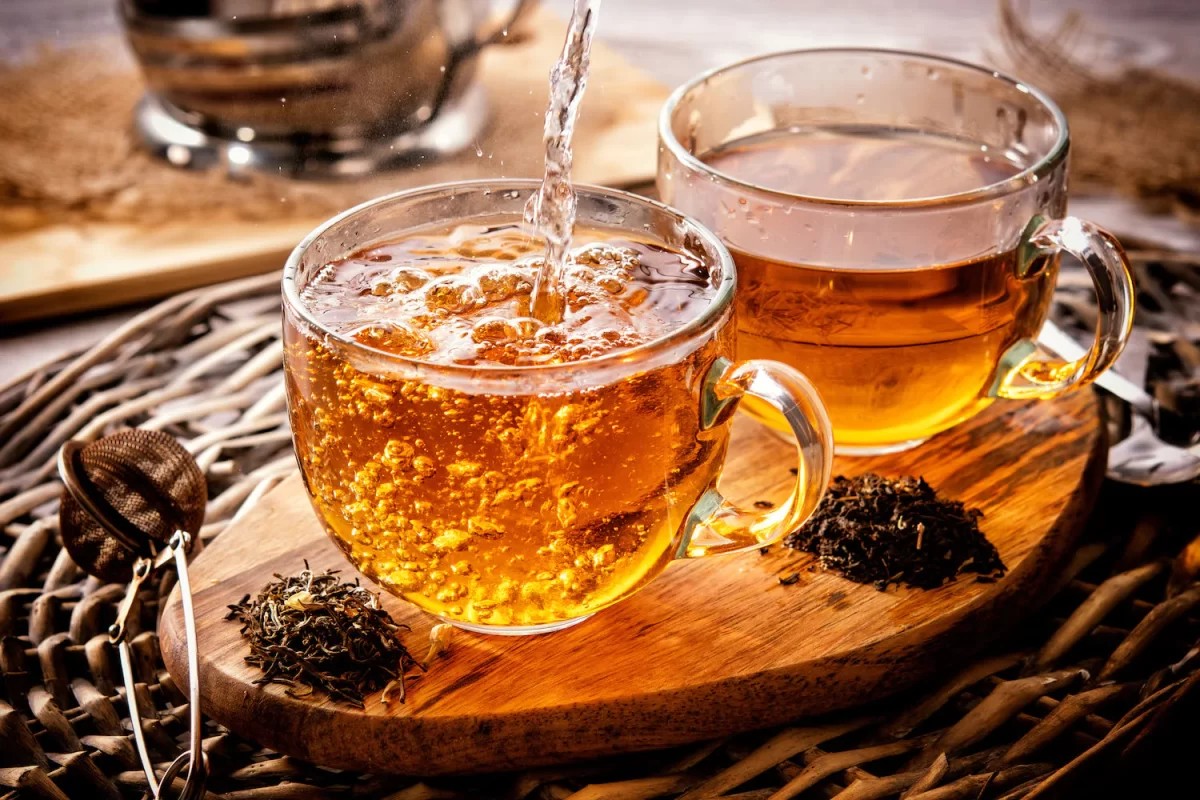
Tea contains tannins, caffeine, vitamins, and other beneficial compounds. When tea is kept at a high temperature for an extended period, these components can deteriorate. Vitamins may be destroyed, while tannins and caffeine can become over-extracted, causing the tea to taste bitter and lose its natural aroma and flavor.
In addition, tea residue can build up inside the flask, making it harder to clean and maintain proper hygiene.
2. Milk
Milk is highly nutritious, but extra caution is needed when storing it in a thermos.
A warm thermos can create favorable conditions for bacterial growth, causing milk to spoil more quickly and increasing the risk of foodborne illness if consumed after it has gone bad.
Furthermore, milk is rich in protein, and prolonged exposure to heat can alter these proteins, reducing the drink's nutritional value. If you must store milk in a thermos, it is generally recommended to consume it within about one hour for safety.
3. Traditional Herbal Medicine
Traditional herbal remedies are commonly used to support health and treat various conditions. However, storing herbal decoctions in a thermos is not recommended.
These preparations often contain complex ingredients with acidic or alkaline properties. When they come into contact with metals such as manganese, iron, chromium, or nickel found in some thermos flasks, chemical reactions may occur. This can potentially reduce the effectiveness of the herbs and may produce unwanted substances.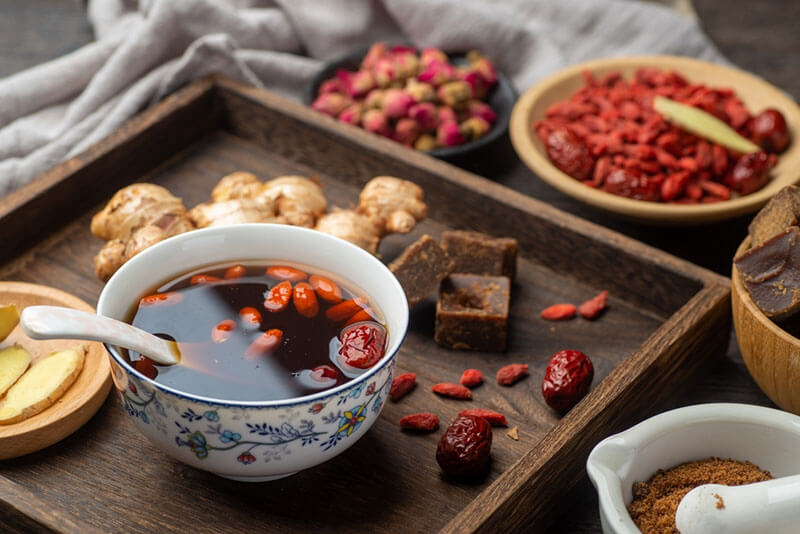
Additionally, prolonged heat exposure may alter the properties of the herbal mixture and reduce its intended benefits. Glass or ceramic containers are generally better options for storing herbal remedies.
4. Salty Liquids
Although thermos flasks are designed with corrosion-resistant linings, liquids containing significant amounts of salt can still cause problems when stored for long periods.
Salt compounds may gradually damage the protective inner layer of the flask. Over time, this could increase the likelihood of metal components leaching into the liquid.
Exposure to excessive amounts of certain metals may have negative health effects and can also shorten the lifespan of the thermos. Salty soups, broths, and mineral-rich beverages with high sodium content are best stored in alternative containers.
5. Acidic Drinks and Carbonated Beverages
Fruit juices and soft drinks are popular choices, but they are not ideal for thermos storage.
Many fruit juices are highly acidic and may gradually corrode the stainless-steel lining, damaging the protective coating and potentially increasing the release of metal particles into the beverage.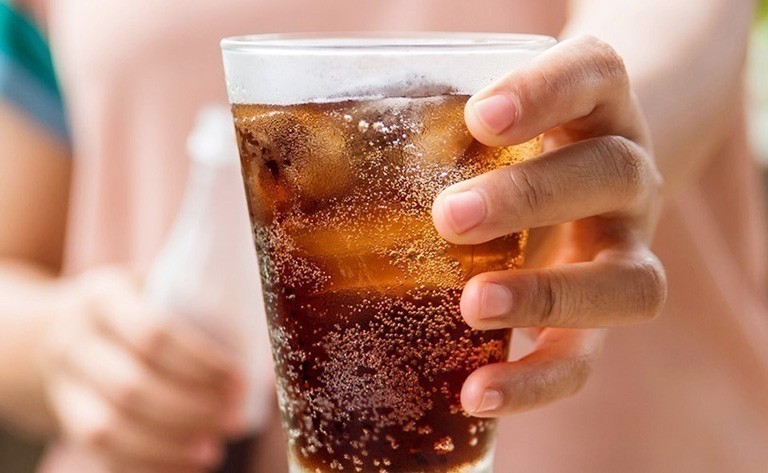
Carbonated drinks, such as soda, can also create pressure buildup inside a sealed thermos. This may increase the risk of leaks, spills, or sudden spray when the lid is opened.
If you want to carry fruit juice or soda with you, consider using glass bottles or other containers specifically designed for acidic or carbonated beverages to help preserve both safety and quality.