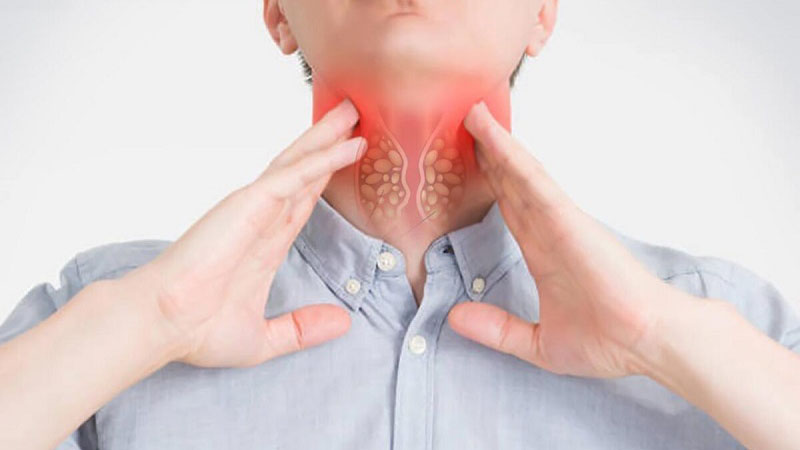
Thyroid can.cer often develops quietly. In many cases, it doesn’t cause pain or dramatic symptoms in the early stages, which is why it can go
unnoticed for a long time. However, the body does give signals - subtle changes that are easy to observe if you know what to look for.
Recognizing these early signs does not mean you have cancer, but it can help you seek medical evaluation sooner, when treatment outcomes
are generally very good.
Understanding the Thyroid’s Role
The thyroid is a small, butterfly-shaped gland located at the front of the neck. It produces hormones that regulate metabolism, heart rate,
body temperature, and energy levels. When abnormal cells grow in this gland, early changes often appear locally in the neck area before
affecting the rest of the body.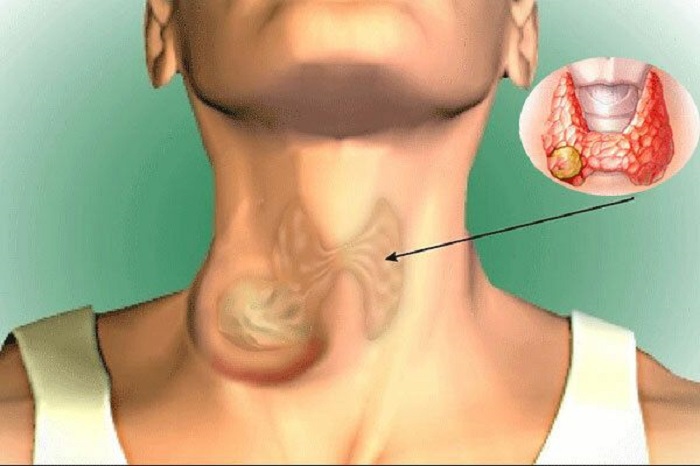
1. A Painless Lump or Swelling in the Neck
One of the most common early signs of thyroid cancer is a small lump or swelling in the neck, usually near the Adam’s apple.
Key characteristics:
-
Often painless
-
May feel firm or hard
-
May grow slowly over time
-
Usually noticed when shaving, applying makeup, or swallowing
Not all thyroid nodules are cancerous - most are benign. However, any new or enlarging lump should be checked by a healthcare
professional, especially if it persists for more than a few weeks.
2. Changes in Voice or Persistent Hoarseness
The thyroid gland sits close to the vocal cords. When abnormal growth presses on nearby nerves, it can affect the voice.
Warning signs include:
-
Hoarseness that doesn’t improve
-
A weaker or raspy voice
-
Voice changes without a clear cause, such as a cold
If voice changes last longer than two to three weeks, especially when combined with a neck lump, medical evaluation is important.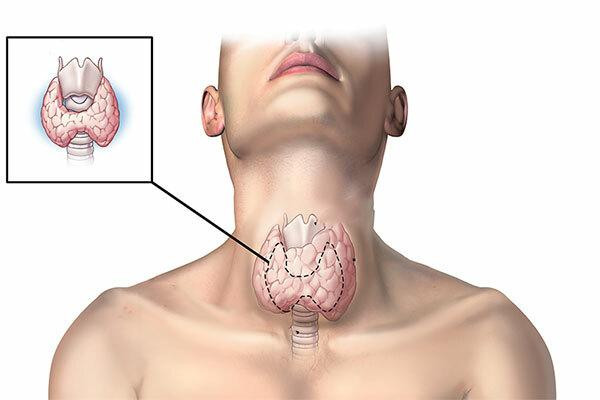
3. Difficulty Swallowing or a Sensation of Pressure
As the thyroid enlarges, it can press against the esophagus.
You may notice:
-
Trouble swallowing solid foods
-
A feeling that something is stuck in the throat
-
Pressure or tightness in the neck, especially when lying down
These symptoms may come and go at first, making them easy to dismiss. Persistent or worsening difficulty should not be ignored.
4. Swollen Lymph Nodes in the Neck
Lymph nodes are part of the immune system and often swell during infection. However, hard, painless lymph nodes that do not shrink over time can sometimes signal cancer spread.
Watch for:
-
Swelling on one or both sides of the neck
-
Nodes that feel firm rather than soft
-
Swelling lasting longer than 3–4 weeks
Swollen lymph nodes without signs of infection deserve further examination.
5. Unexplained Neck Pain or Discomfort
Although early thyroid cancer is often painless, some people experience:
-
Dull neck pain
-
Pain radiating to the jaw or ears
-
Discomfort without injury or infection
Pain that persists or gradually worsens should be evaluated, especially if accompanied by other symptoms on this list.
Why Early Detection Matters
Thyroid cancer generally has a high survival rate, especially when detected early. Many types grow slowly and respond well to treatment,
which may include surgery, radioactive iodine therapy, or hormone management.
Early diagnosis can:
-
Reduce treatment complexity
-
Lower the risk of spread
-
Improve long-term outcomes
Who Should Be Extra Cautious?
Some people may benefit from closer monitoring, including those who:
-
Have a family history of thyroid cancer
-
Were exposed to radiation (especially in childhood)
-
Have certain genetic conditions
-
Are female (thyroid disorders are more common in women)
When to See a Doctor
You should seek medical advice if you notice:
-
A neck lump that doesn’t go away
-
Persistent voice changes
-
Difficulty swallowing or breathing
-
Long-lasting swollen lymph nodes
Doctors may recommend ultrasound imaging, blood tests, or a fine-needle biopsy to determine the cause.
Final Thought
Thyroid cancer often starts quietly, but it rarely starts without signs. Paying attention to small, persistent changes—especially in the neck—can
make a meaningful difference.
This information is for educational purposes only and does not replace professional medical advice. If something feels unusual or
concerning, the safest step is always to consult a qualified healthcare provider.