Your nose does much more than help you smell and breathe. Changes such as persistent congestion, frequent nosebleeds, loss of smell, unusual discharge, or ongoing pain can sometimes be connected to conditions affecting the nose, sinuses, allergies, medications, or other parts of the body. Most nasal symptoms are not serious, but persistent or unusual changes deserve attention.
A stuffy nose after a cold is usually nothing unusual.
Neither is the occasional sneeze during allergy season.
But what happens when a nasal symptom keeps returning, lasts much longer than expected, or suddenly changes?
That is when it becomes useful to stop and pay attention.
The nose is lined with delicate tissues containing blood vessels, mucus-producing cells, nerves, and structures involved in smell. Because it is constantly exposed to air, allergens, irritants, viruses, bacteria, and changes in temperature and humidity, nasal symptoms are extremely common.
The challenge is knowing when something ordinary may be worth discussing with a healthcare professional.
Below are five nasal symptoms that deserve a closer look.
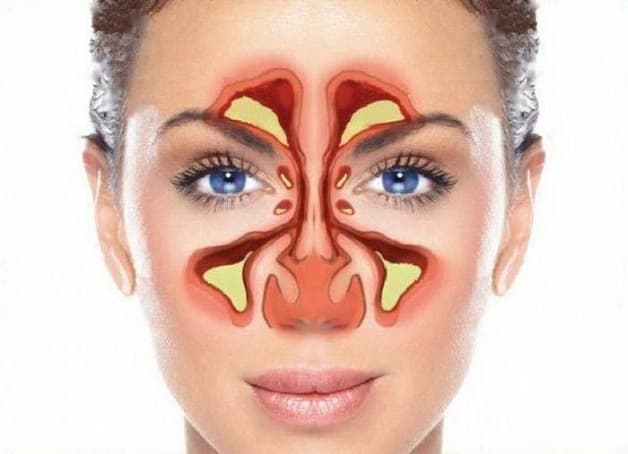
1. Persistent Nasal Congestion That Won’t Go Away
Almost everyone experiences a blocked nose at some point.
A cold can temporarily swell the tissues inside the nose and increase mucus production. Seasonal allergies can produce similar symptoms. In many cases, congestion gradually improves as the underlying trigger disappears.
But congestion that persists for weeks, repeatedly returns, or consistently affects one side of the nose may deserve evaluation.
Possible causes include allergic rhinitis, chronic sinus inflammation, nasal polyps, a deviated septum, irritant exposure, medication effects, or other nasal conditions.
For some people, congestion is worse at night. They may breathe through their mouth while sleeping, wake up with a dry mouth, or feel as though they can never get enough air through their nose.
Chronic nasal obstruction can also interfere with sleep and may contribute to snoring or other breathing problems.
When should you pay closer attention?
Persistent congestion is more concerning when it is accompanied by:
-
Facial pressure or pain
-
Recurrent sinus infections
-
Reduced sense of smell
-
Thick or persistent nasal discharge
-
Frequent nighttime mouth breathing
-
Symptoms that consistently affect only one side
A blocked nose does not automatically mean there is a serious underlying condition. However, symptoms that continue without an obvious explanation are worth discussing with a medical professional.
2. Frequent or Unexplained Nosebleeds
Nosebleeds can look alarming because the nose contains many small blood vessels close to the surface.
Fortunately, most nosebleeds are caused by relatively minor factors.
Dry air, nose picking, vigorous blowing, allergies, irritation, or minor trauma can all cause the delicate nasal lining to bleed.
Some people may also experience nosebleeds more frequently when using certain medications or products that affect bleeding or irritate the nasal lining.
But recurrent nosebleeds—particularly when there is no obvious trigger—should not simply be ignored.
The pattern matters.
A nosebleed that happens once after a very dry night is different from bleeding that occurs repeatedly over a period of weeks.
What else should you look for?
Pay attention if frequent nosebleeds occur together with:
-
Easy bruising
-
Unusual bleeding elsewhere
-
Persistent nasal blockage
-
Significant facial pain
-
A visible growth or sore that does not heal
-
Bleeding that is difficult to stop
People taking blood-thinning medication should also discuss recurrent bleeding with their healthcare provider rather than changing medication on their own.
What can you do during a typical nosebleed?
Sit upright and lean slightly forward.
Pinch the soft part of the nose continuously for about 10 to 15 minutes while breathing through your mouth.
Avoid tilting your head backward, because blood can run into the throat.
If bleeding is heavy, follows a significant injury, causes weakness or dizziness, or does not stop with appropriate first aid, urgent medical assessment may be necessary.
3. A Noticeable or Persistent Loss of Smell
Your sense of smell can disappear temporarily during a cold.
Nasal congestion can prevent odor molecules from reaching the smell receptors properly. Viral infections can also temporarily or sometimes more persistently affect smell.
Allergies, chronic sinus disease, nasal polyps, certain medications, smoking, head injuries, and several neurological conditions can also affect the sense of smell.
The important distinction is between a temporary change and a persistent or unexplained one.
If you suddenly realize that food has lost much of its flavor, you cannot smell familiar products, or your sense of smell has changed for an extended period, it is worth discussing with a healthcare professional.
This is particularly important when the change is not accompanied by an obvious cold or significant nasal congestion.
Why does smell matter so much?
Smell is closely connected with taste and can affect appetite, nutrition, and quality of life.
A reduced sense of smell can also affect safety.
Someone who cannot smell properly may have difficulty detecting smoke from a fire, a gas leak, spoiled food, or other potentially hazardous odors.
Persistent smell loss therefore deserves more attention than simply assuming your nose will eventually “fix itself.”
4. Unusual Nasal Discharge That Keeps Coming Back
Mucus is normal.
In fact, mucus serves important protective functions. It helps trap particles, allergens, and microorganisms before they travel deeper into the respiratory tract.
The appearance of nasal mucus can also change during an ordinary cold.
What deserves attention is a persistent or unusual pattern, especially when it lasts much longer than expected or occurs together with other symptoms.
For example, ongoing thick discharge may accompany chronic sinus inflammation.
A strong unpleasant odor can sometimes occur with infection or a retained foreign object, particularly in children.
A persistent discharge from only one side of the nose may also warrant medical evaluation, depending on the circumstances.
Don't diagnose an infection based on mucus color alone
A common misconception is that green or yellow mucus automatically means a person needs antibiotics.
That is not necessarily true.
Mucus can change color during viral infections and as inflammation develops. The color by itself does not establish a bacterial infection.
Doctors consider the overall pattern, including duration, severity, fever, facial pain, worsening after initial improvement, and other clinical findings.
This distinction is important because unnecessary antibiotic use can cause side effects and contributes to antibiotic resistance.

5. Persistent Nose or Facial Pain
Occasional discomfort around the nose can accompany a cold, allergies, or sinus irritation.
But persistent facial pain, pressure, or tenderness deserves attention—especially when it does not improve as expected.
People sometimes describe discomfort around the forehead, cheeks, eyes, or bridge of the nose.
Possible causes include sinus inflammation, migraine, dental problems, nasal conditions, facial injury, and other issues.
Not every headache around the face is a sinus problem.
In fact, migraine can sometimes produce nasal congestion or facial pressure, which can make the symptoms confusing.
When pain deserves prompt attention
Seek medical evaluation when facial or nasal pain is:
-
Severe or rapidly worsening
-
Associated with swelling around the eye
-
Accompanied by vision changes
-
Associated with a high fever or significant illness
-
Persistent despite appropriate self-care
-
Following a significant facial injury
Severe swelling around the eye, changes in vision, confusion, severe headache, or rapidly worsening symptoms can require urgent assessment because certain infections and other complications can become serious.
Other Nasal Changes Worth Paying Attention To
The five symptoms above are not the only nasal changes that can matter.
A persistent sore inside the nose, a mass or growth, repeated crusting, a major change in the shape of the nose after injury, or ongoing one-sided symptoms can also warrant evaluation.
Most of these symptoms have benign explanations.
That is important to remember.
A symptom being worth checking does not mean it is likely to represent a dangerous disease.
Healthcare professionals evaluate symptoms based on their duration, severity, pattern, medical history, examination findings, and sometimes imaging or laboratory tests.
Why Nasal Symptoms Can Be Easy to Dismiss
People often tolerate nasal symptoms for months because they seem minor.
A blocked nose becomes part of the daily routine.
A reduced sense of smell is blamed on getting older.
Occasional bleeding is attributed to dry weather.
Persistent facial pressure is treated as “just sinus problems.”
Sometimes those assumptions are correct.
Sometimes they aren't.
The key is recognizing when a symptom has moved beyond what would normally be expected.
A cold should generally improve over time.
A small irritation should heal.
Temporary congestion should eventually resolve.
When a symptom becomes chronic, repeatedly returns, or changes significantly, the explanation deserves another look.
Common Factors That Can Affect Your Nose
Many everyday factors can alter nasal symptoms without indicating a serious illness.
These include:
Dry air: Low humidity can irritate the nasal lining and contribute to nosebleeds and congestion.
Allergies: Pollen, dust mites, mold, animal dander, and other allergens can cause sneezing, itching, congestion, and watery discharge.
Smoke and irritants: Cigarette smoke, strong fragrances, cleaning chemicals, and air pollution can irritate nasal tissues.
Medications: Some medications can contribute to dryness, congestion, or changes in bleeding risk.
Overuse of decongestant sprays: Certain topical nasal decongestants are intended only for short-term use. Prolonged use can cause rebound congestion.
Understanding these everyday triggers can help distinguish a persistent medical issue from a temporary environmental one.
Simple Ways to Support Nasal Health
You do not need an elaborate routine to take better care of your nose.
Staying hydrated can help maintain normal mucus consistency.
Using a humidifier during very dry conditions may be helpful for some people, although humidifiers need regular cleaning to prevent microbial growth.
Saline nasal sprays or rinses can sometimes help with congestion and nasal irritation. When using a nasal rinse device, it is important to use distilled, sterile, or appropriately boiled-and-cooled water rather than untreated tap water.
Avoid picking the inside of the nose, especially when the tissues are dry or irritated.
Try to minimize exposure to cigarette smoke and other respiratory irritants.
For recurring allergy symptoms, identifying and managing triggers can also make a significant difference.
When Should You See a Doctor?
A single sneeze or a short-lived stuffy nose generally does not require a medical appointment.
But persistent symptoms should not be ignored simply because they are uncomfortable rather than dramatic.
Consider seeking medical advice when nasal symptoms:
Last significantly longer than expected
Keep returning
Affect only one side repeatedly
Interfere with sleep or daily activities
Are accompanied by persistent pain or fever
Cause significant changes in smell
Include recurrent unexplained bleeding
Are associated with a visible growth, persistent sore, or unusual swelling
A healthcare professional can determine whether the problem is related to allergies, infection, structural issues, medication, chronic inflammation, or another condition.

The Bottom Line
Your nose can provide useful clues about what is happening in your body, but nasal symptoms should be interpreted carefully.
Persistent congestion, recurrent nosebleeds, ongoing loss of smell, unusual nasal discharge, and chronic facial or nasal pain are five changes that deserve attention when they persist, recur, or occur alongside other concerning symptoms.
That does not mean these symptoms automatically signal something serious.
Most have common and treatable explanations.
The important lesson is to notice patterns rather than panic over isolated symptoms.
Your nose does an enormous amount of work every day—filtering, warming, and humidifying the air you breathe while contributing to your sense of smell and taste.
When something changes and refuses to go away, listening to that signal and getting appropriate medical advice can be a much smarter approach than simply hoping it disappears.