Your nose does much more than help you smell and breathe. Changes such as persistent congestion, frequent nosebleeds, loss of smell, unusual discharge, or ongoing pain can sometimes be connected to conditions affecting the nose, sinuses, allergies, medications, or other parts of the body. Most nasal symptoms are not serious, but persistent or unusual changes deserve attention.
A stuffy nose after a cold is usually nothing unusual.
Neither is the occasional sneeze during allergy season.
But what happens when a nasal symptom keeps returning, lasts much longer than expected, or suddenly changes?
That is when it becomes useful to stop and pay attention.
The nose is lined with delicate tissues containing blood vessels, mucus-producing cells, nerves, and structures involved in smell. Because it is constantly exposed to air, allergens, irritants, viruses, bacteria, and changes in temperature and humidity, nasal symptoms are extremely common.
The challenge is knowing when something ordinary may be worth discussing with a healthcare professional.
Below are five nasal symptoms that deserve a closer look.
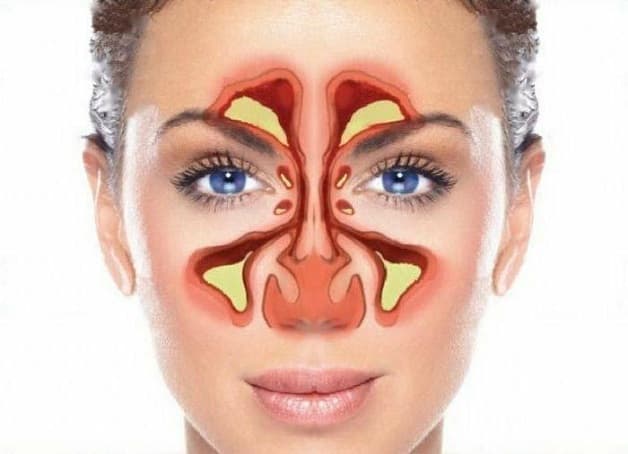
1. Persistent Nasal Congestion That Won’t Go Away
Almost everyone experiences a blocked nose at some point.
A cold can temporarily swell the tissues inside the nose and increase mucus production. Seasonal allergies can produce similar symptoms. In many cases, congestion gradually improves as the underlying trigger disappears.
But congestion that persists for weeks, repeatedly returns, or consistently affects one side of the nose may deserve evaluation.
Possible causes include allergic rhinitis, chronic sinus inflammation, nasal polyps, a deviated septum, irritant exposure, medication effects, or other nasal conditions.
For some people, congestion is worse at night. They may breathe through their mouth while sleeping, wake up with a dry mouth, or feel as though they can never get enough air through their nose.
Chronic nasal obstruction can also interfere with sleep and may contribute to snoring or other breathing problems.
When should you pay closer attention?
Persistent congestion is more concerning when it is accompanied by:
-
Facial pressure or pain
-
Recurrent sinus infections
-
Reduced sense of smell
-
Thick or persistent nasal discharge
-
Frequent nighttime mouth breathing
-
Symptoms that consistently affect only one side
A blocked nose does not automatically mean there is a serious underlying condition. However, symptoms that continue without an obvious explanation are worth discussing with a medical professional.
2. Frequent or Unexplained Nosebleeds
Nosebleeds can look alarming because the nose contains many small blood vessels close to the surface.
Fortunately, most nosebleeds are caused by relatively minor factors.
Dry air, nose picking, vigorous blowing, allergies, irritation, or minor trauma can all cause the delicate nasal lining to bleed.
Some people may also experience nosebleeds more frequently when using certain medications or products that affect bleeding or irritate the nasal lining.
But recurrent nosebleeds—particularly when there is no obvious trigger—should not simply be ignored.
The pattern matters.
A nosebleed that happens once after a very dry night is different from bleeding that occurs repeatedly over a period of weeks.
What else should you look for?
Pay attention if frequent nosebleeds occur together with:
-
Easy bruising
-
Unusual bleeding elsewhere
-
Persistent nasal blockage
-
Significant facial pain
-
A visible growth or sore that does not heal
-
Bleeding that is difficult to stop
People taking blood-thinning medication should also discuss recurrent bleeding with their healthcare provider rather than changing medication on their own.
What can you do during a typical nosebleed?
Sit upright and lean slightly forward.
Pinch the soft part of the nose continuously for about 10 to 15 minutes while breathing through your mouth.
Avoid tilting your head backward, because blood can run into the throat.
If bleeding is heavy, follows a significant injury, causes weakness or dizziness, or does not stop with appropriate first aid, urgent medical assessment may be necessary.
3. A Noticeable or Persistent Loss of Smell
Your sense of smell can disappear temporarily during a cold.
Nasal congestion can prevent odor molecules from reaching the smell receptors properly. Viral infections can also temporarily or sometimes more persistently affect smell.
Allergies, chronic sinus disease, nasal polyps, certain medications, smoking, head injuries, and several neurological conditions can also affect the sense of smell.
The important distinction is between a temporary change and a persistent or unexplained one.
If you suddenly realize that food has lost much of its flavor, you cannot smell familiar products, or your sense of smell has changed for an extended period, it is worth discussing with a healthcare professional.
This is particularly important when the change is not accompanied by an obvious cold or significant nasal congestion.