Colon cancer - also known as colorectal cancer is one of the most common types of cancer worldwide. What makes it particularly dangerous is that it often develops slowly and may not show obvious symptoms in its early stages. By the time clear warning signs appear, the disease may have already progressed.
That’s why recognizing early red flags is critical. While these symptoms don’t always mean cancer, they should never be ignored. Paying attention to changes in your body can make a life-saving difference.
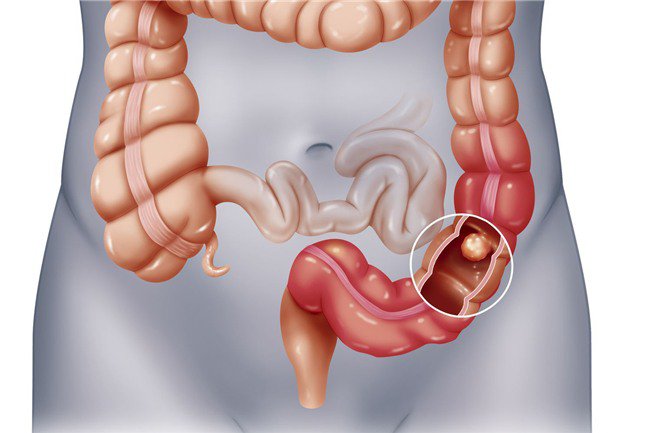
1. Persistent Changes in Bowel Habits
One of the earliest and most noticeable signs is a change in bowel movements.
This may include:
- Diarrhea or constipation that lasts for more than a few days
- A change in stool consistency (such as narrower stools)
- A feeling that the bowel doesn’t empty completely
These changes occur because a tumor in the colon can disrupt the normal movement of waste through the digestive tract. While occasional digestive issues are common, persistent changes should be evaluated by a doctor.
2. Blood in the Stool
Seeing blood in your stool can be alarming and it should be taken seriously.
Blood may appear as:
- Bright red streaks
- Dark, tarry stools
- Blood mixed with stool
While this symptom can be caused by less serious conditions like hemorrhoids, it may also indicate bleeding from a tumor in the colon or rectum. Any unexplained bleeding should be checked promptly.
3. Unexplained Weight Loss
Losing weight without trying might sound like a positive change, but it can be a warning sign of an underlying health issue.
In the case of colon cancer, weight loss may occur because:
- The body is using extra energy to fight the disease
- Appetite decreases
- The digestive system is not functioning properly
If weight loss happens without changes in diet or exercise, it’s important to investigate further.

4. Ongoing Fatigue and Weakness
Feeling tired occasionally is normal, but persistent fatigue that doesn’t improve with rest can signal a deeper problem.
Colon cancer may cause:
- Chronic internal bleeding, leading to anemia
- Reduced oxygen delivery to the body
- General weakness and low energy
This type of fatigue is often described as overwhelming and difficult to shake, even after adequate sleep.
5. Abdominal Pain or Discomfort
Recurring abdominal discomfort is another symptom that shouldn’t be overlooked.
This may include:
- Cramping
- Gas pain
- Bloating
- A constant feeling of discomfort in the abdomen
As a tumor grows, it can block or irritate parts of the colon, leading to these sensations. Persistent or worsening pain should always be evaluated.
When Should You See a Doctor?
While these symptoms can be caused by many conditions, the key factor is persistence.
You should seek medical advice if:
- Symptoms last longer than a few weeks
- You experience multiple symptoms at once
- There is a noticeable change from your normal habits
- Symptoms worsen over time
Early detection significantly improves treatment outcomes, making it essential to act quickly.
The Importance of Screening
Many cases of colon cancer can be detected early through routine screening, even before symptoms appear.
Common screening methods include:
- Colonoscopy
- Stool tests
- Imaging tests
Regular screening is especially important for individuals over 45 or those with a family history of colorectal cancer.

Final Thoughts
Colon cancer often develops quietly, but your body usually gives subtle warning signs along the way. The challenge is recognizing those signals and taking them seriously.
Ignoring symptoms or delaying medical evaluation can allow the disease to progress. On the other hand, early detection can lead to more effective treatment and a much better prognosis.
Pay attention to your body. If something feels off and doesn’t go away, it’s always better to check than to wait.