The liver can be damaged and lose function due to disease or lifestyle habits. Sometimes warning symptoms appear immediately, but not always.
The liver, the largest internal organ in the body, is responsible for many functions. It regulates blood clotting, removes toxins such as alcohol from the blood, helps produce bile, and more.
According to Dr. Douglas Weine, a gastroenterologist at Hackensack Meridian Health, “liver disease” is a broad term that includes many conditions that impair normal liver function. These include non-alcoholic fatty liver disease, hepatitis, and even cancer.
Associate Professor Dr. Bubu Banini, a hepatologist at Yale School of Medicine, said: “Signs and symptoms of liver disease often do not appear until the liver has been significantly damaged.”
Warning signs of liver damage
Warning symptoms of liver disease may appear quickly, but they can also develop silently. So how do you know when your liver has a problem? Below are the 5 most common warning signs according to The HuffPost: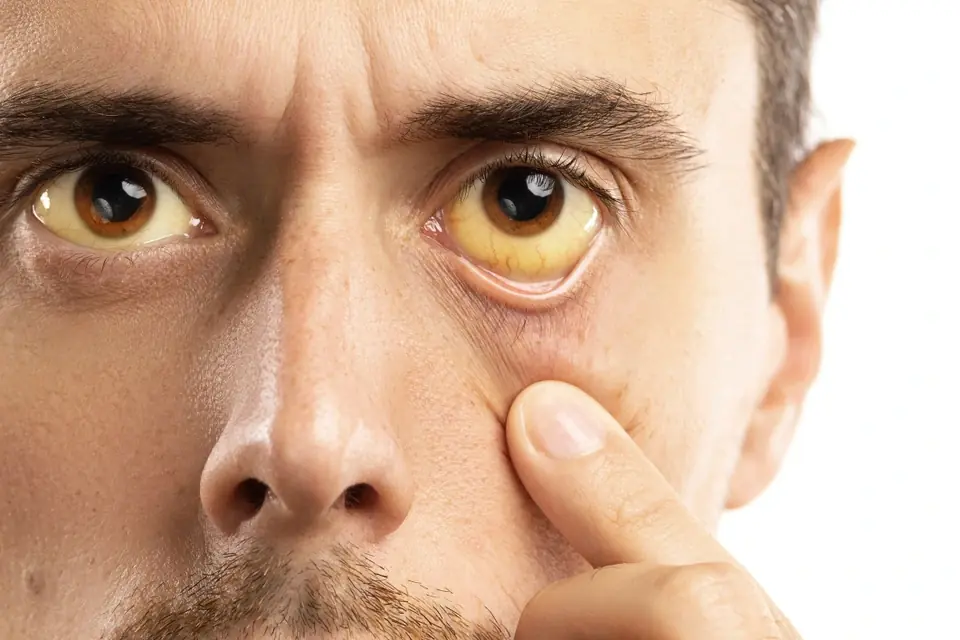
• Yellowing of the skin or eyes (jaundice)
Dr. Banini notes: “A subtle sign of liver disease is yellowing of the whites of the eyes or skin, known as jaundice.”
This occurs when there is too much bilirubin, a pigment produced during the natural breakdown of red blood cells. Normally, the liver processes and removes bilirubin, but excess levels can cause jaundice and indicate liver problems.
Although high bilirubin levels are not always serious in adults, the underlying cause may be. That’s why it’s important to see a doctor if you notice any yellowing of the skin or eyes.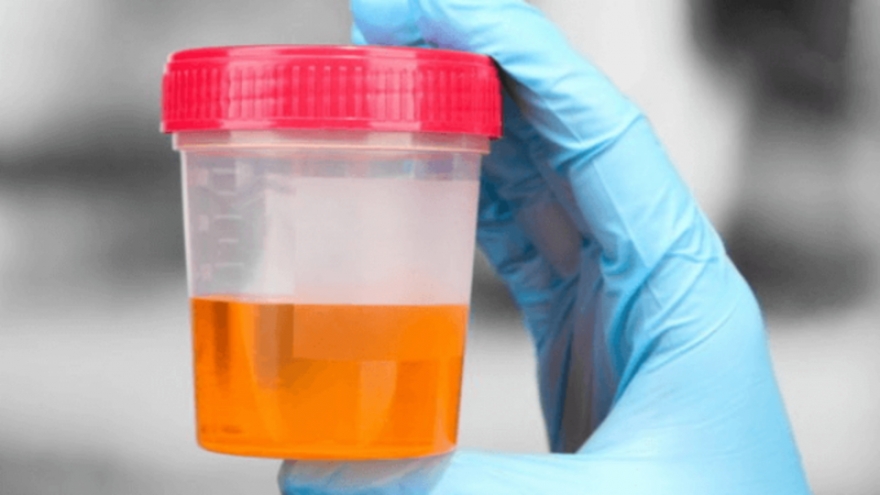
• Dark urine even when well hydrated
Dark urine is usually not a major concern and often just means you need more fluids.
However, according to Dr. Weine, people with liver disease may also have dark urine due to a buildup of bilirubin, which can turn urine dark orange, brown, or amber. If you are well hydrated but still notice dark urine, it could signal another issue.
• Confusion
We all forget things occasionally, but significant changes in mental status should not be ignored. They may signal liver problems or other underlying conditions.
Dr. Banini explains: “A previously healthy person can develop acute liver failure, which may present as changes in mental status or personality such as disorientation, confusion, or drowsiness.”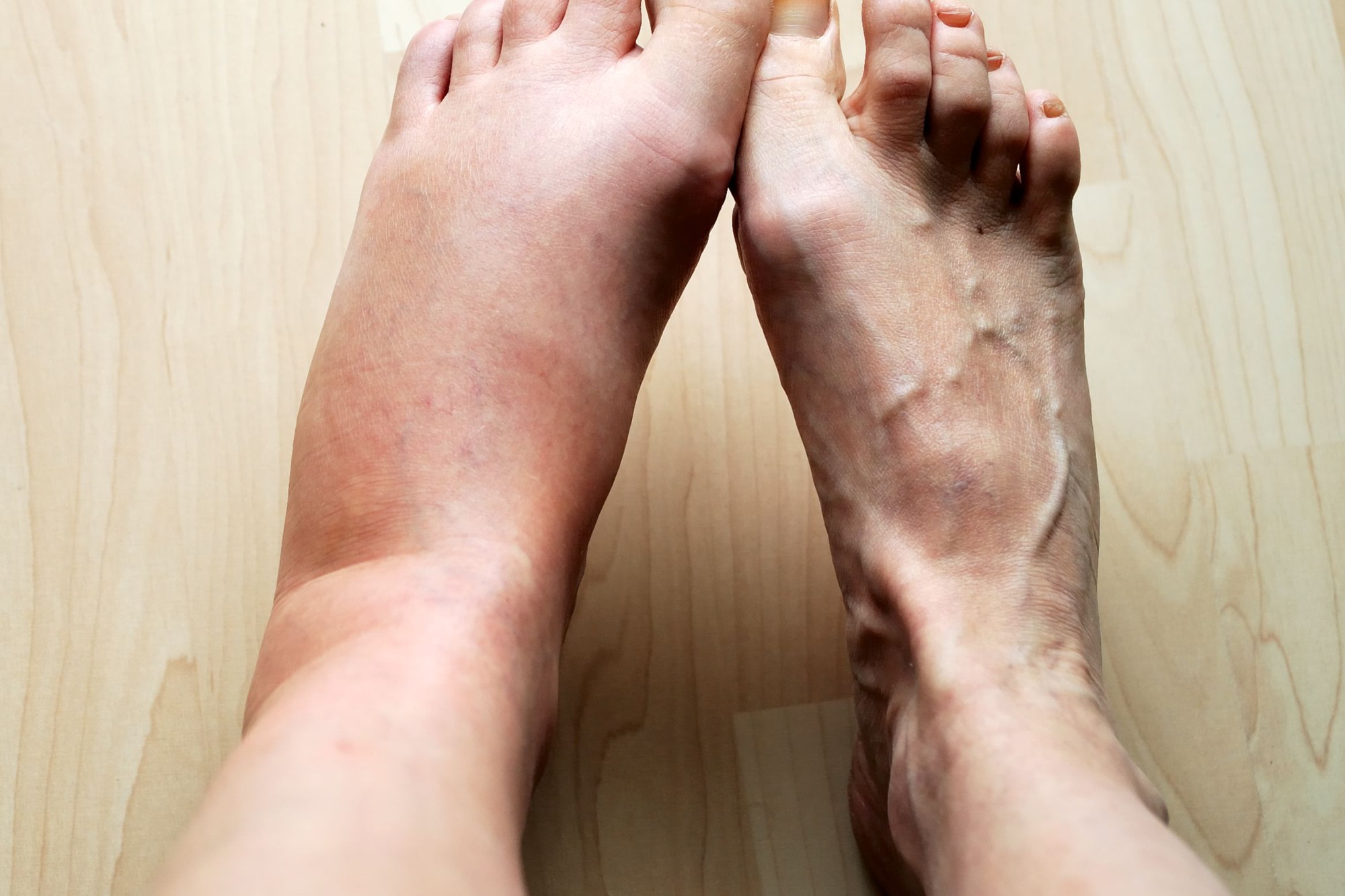
• Swelling in the legs, ankles, or abdomen
According to the Mayo Clinic, cirrhosis slows blood flow through the liver and increases pressure in the portal vein. This pressure can cause fluid buildup in the legs (edema) and abdomen (ascites).
Swelling can also occur when the liver cannot produce enough blood proteins such as albumin.
• Easy bruising and bleeding
Dr. Weine notes that people with liver damage may bruise or bleed easily after injury.
This happens because the liver produces proteins necessary for blood clotting. When the liver is not functioning properly, bleeding becomes more likely.
Risk factors for liver damage
Liver problems should never be ignored. Risk factors include heavy or moderate alcohol use, type 2 diabetes, sharing needles, exposure to toxins, and a family history of liver disease.
• Exposure to toxins
According to MSc. Dr. Phan Thi Minh Huong, a gastroenterologist at Vinmec Da Nang International General Hospital, although the liver detoxifies the blood, excessive exposure to toxins can overwhelm its capacity.
Toxins can come from everyday sources, including food. Therefore, fruits and vegetables should be washed thoroughly to reduce exposure to pesticides and other chemicals.
• Unclear medications and supplements
Not all medications or supplements labeled “natural” or “herbal” are safe.
In fact, many herbs and supplements have been linked to liver damage. For people with existing liver disease, self-prescribed “liver-support” supplements may actually worsen the condition.
• Excessive alcohol consumption
Alcohol-related fatty liver disease can progress to hepatitis (alcoholic hepatitis), then scarring (cirrhosis), and even liver cancer. This process can begin with prolonged consumption of at least 4 drinks per day for men and 2 drinks per day for women.
By the time symptoms appear, the liver may already be severely and irreversibly damaged.
However, stopping alcohol use at the fatty liver stage can allow the liver to recover close to normal.
• Metabolic disorders
Metabolic syndrome—including obesity, diabetes, and high cholesterol—can cause non-alcoholic fatty liver disease, which may progress to cirrhosis and liver cancer.
• History of liver disease
Whether you or a family member has had liver disease, your risk may be higher than the general population.
Conditions such as hepatitis B or C and hemochromatosis increase the risk of liver cancer.
If a family member has hereditary liver diseases such as hemochromatosis, Wilson’s disease, or alpha-1 antitrypsin deficiency, it’s important to watch for early symptoms and avoid liver-damaging factors like alcohol.