
Higher Magnesium Intake Linked to Slower Brain Aging and Lower Dementia Risk, Study Finds
A growing body of research suggests that what we eat may play a critical role in how our brains age. A recent study from the Australian National University highlights the potential of magnesium-rich diets to slow age-related brain decline and reduce the risk of dementia.
A Closer Look at the Research
The study analyzed data from more than 6,000 participants between the ages of 40 and 73. Researchers examined their daily magnesium intake and compared it with brain health indicators, including brain volume and the presence of white matter lesions—both key markers of cognitive aging.
The findings were striking: individuals who consumed more than 550 mg of magnesium per day showed signs of slower brain aging. By the age of 55, their brains appeared nearly one year younger than those of individuals with lower magnesium intake.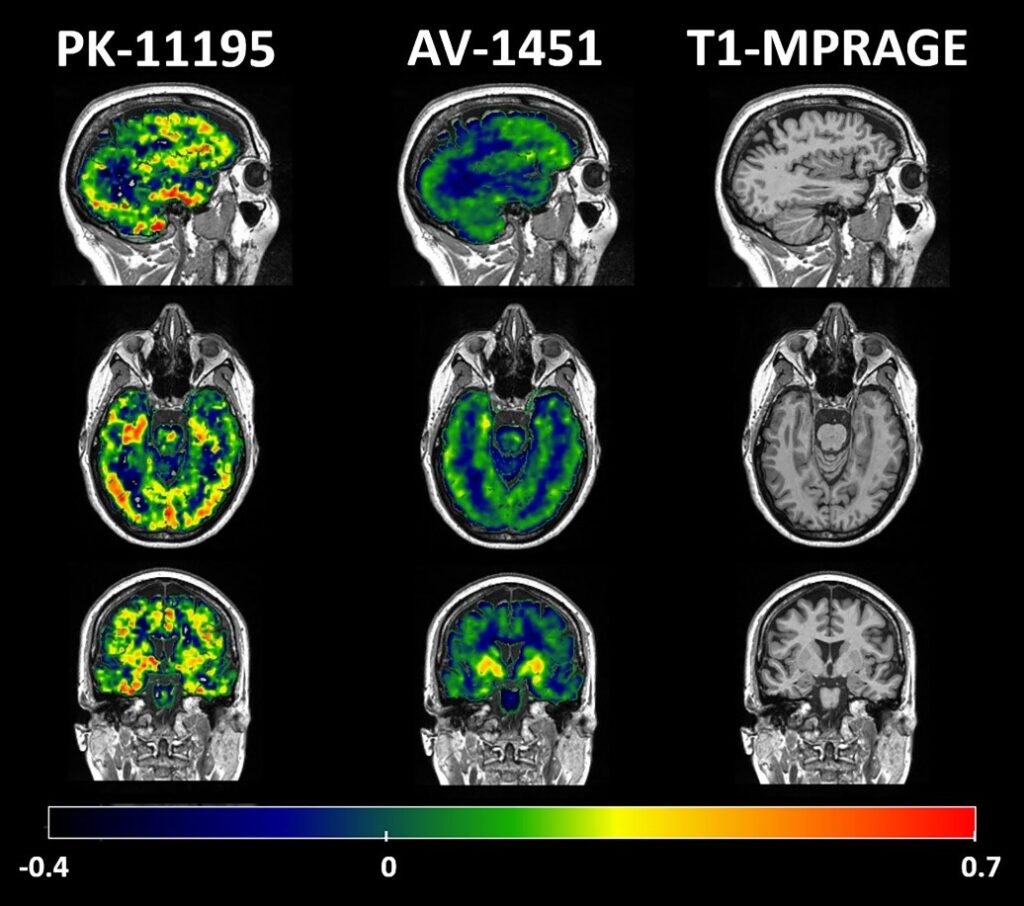
Why Magnesium Matters for Brain Health
Magnesium is an essential mineral involved in hundreds of biological processes, including nerve function, inflammation control, and blood pressure regulation.
In this study, higher magnesium intake was associated with:
- Larger brain volume
- Fewer white matter lesions
- Better overall cognitive resilience
These factors are closely linked to a reduced risk of neurodegenerative conditions such as Dementia.
Greater Benefits Observed in Women
One of the most notable findings was the stronger protective effect seen in postmenopausal women.
Researchers suggest that magnesium’s anti-inflammatory properties may play a key role, especially as hormonal changes during menopause can increase vulnerability to brain aging and cognitive decline.
Magnesium-Rich Foods to Consider
Magnesium is naturally found in a wide range of foods, making it relatively easy to include in a balanced diet. Key sources include:
- Leafy green vegetables (such as spinach and kale)
- Nuts and seeds
- Legumes
- Whole grains
Regular consumption of these foods may help support long-term brain health.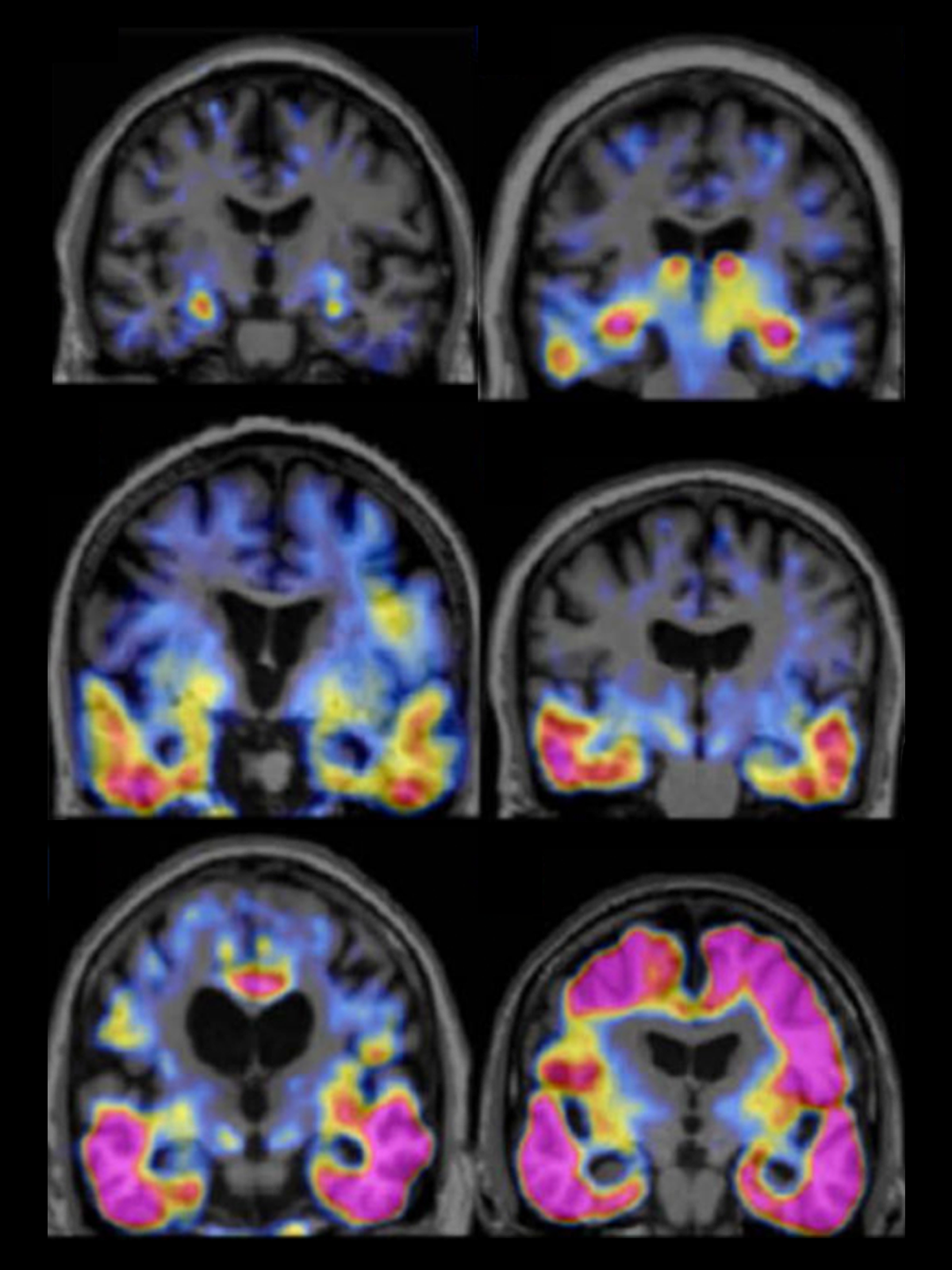
A Promising Path in Dementia Prevention
With no definitive cure for dementia currently available, experts emphasize the importance of prevention through lifestyle choices. Diet, in particular, is considered a modifiable factor that can influence long-term cognitive outcomes.
Study co-author Dr. Erin Walsh noted that while the findings are promising, further research is needed to confirm the results and guide public health recommendations.
The Bigger Picture
As dementia rates continue to rise globally, studies like this underscore the importance of early intervention.
Simple dietary changes—such as increasing magnesium intake—could potentially play a meaningful role in protecting brain function, slowing cognitive decline, and improving quality of life as people age.