5 Times You Should Avoid Showering (And Why It Can Be Risky)
Showering is part of daily hygiene—but believe it or not, there are certain moments when taking a shower can actually put extra stress on your body.
Some viral claims exaggerate the risks (like instantly causing a stroke), but there are real physiological reasons why timing matters.
Let’s break it down clearly—no scare tactics, just facts.
Why Timing of a Shower Matters
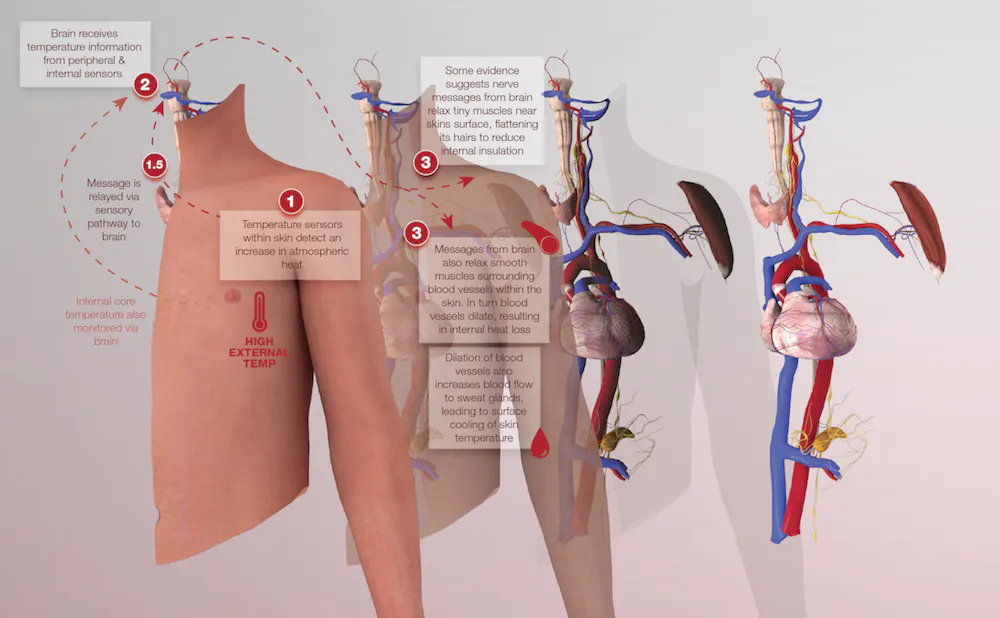
When you shower—especially with hot or cold water—your body reacts by:
- Changing blood pressure
- Redirecting blood flow
- Affecting heart rate

 4
4
If your body is already under stress, this sudden change can make things worse.
1. Immediately After Eating
Right after a meal, your body sends more blood to the digestive system.
🚿 Showering—especially with hot water—can redirect blood flow to the skin instead.
👉 This may cause:
- Indigestion
- Dizziness
- Discomfort
Tip: Wait at least 30–60 minutes after eating.
2. Right After Intense Exercise
After working out, your:
- Heart rate is elevated
- Blood vessels are dilated
Jumping straight into a shower (especially cold) can shock the system.
👉 Possible effects:
- Sudden drop in blood pressure
- Lightheadedness
Tip: Cool down for 15–20 minutes first.
3. When You’re Extremely Tired or Sleep-Deprived

 4
4
If your body is already exhausted:
- Blood pressure may be unstable
- Standing in a hot shower can increase fainting risk
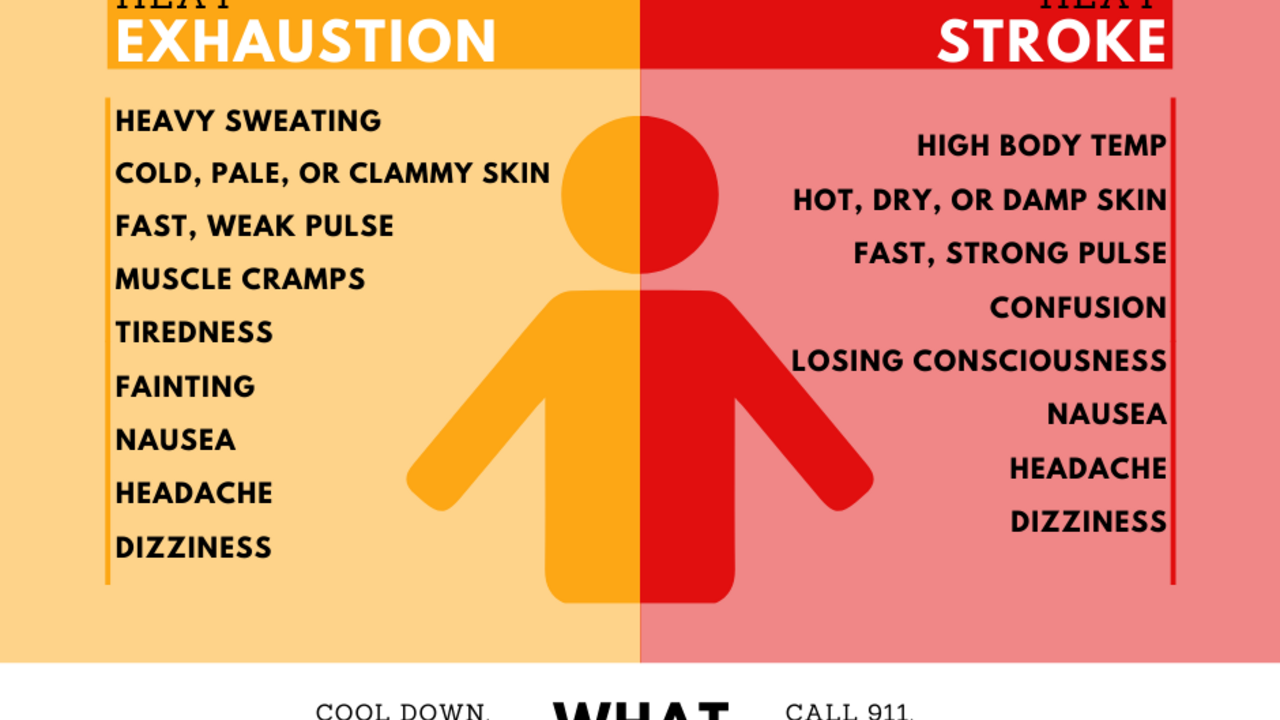
4. When You Have a Fever


 4
4
Hot showers can:
- Raise body temperature further
- Make you feel weaker
Cold showers, on the other hand, may cause shivering and stress.
👉 Best option: Lukewarm water if needed.
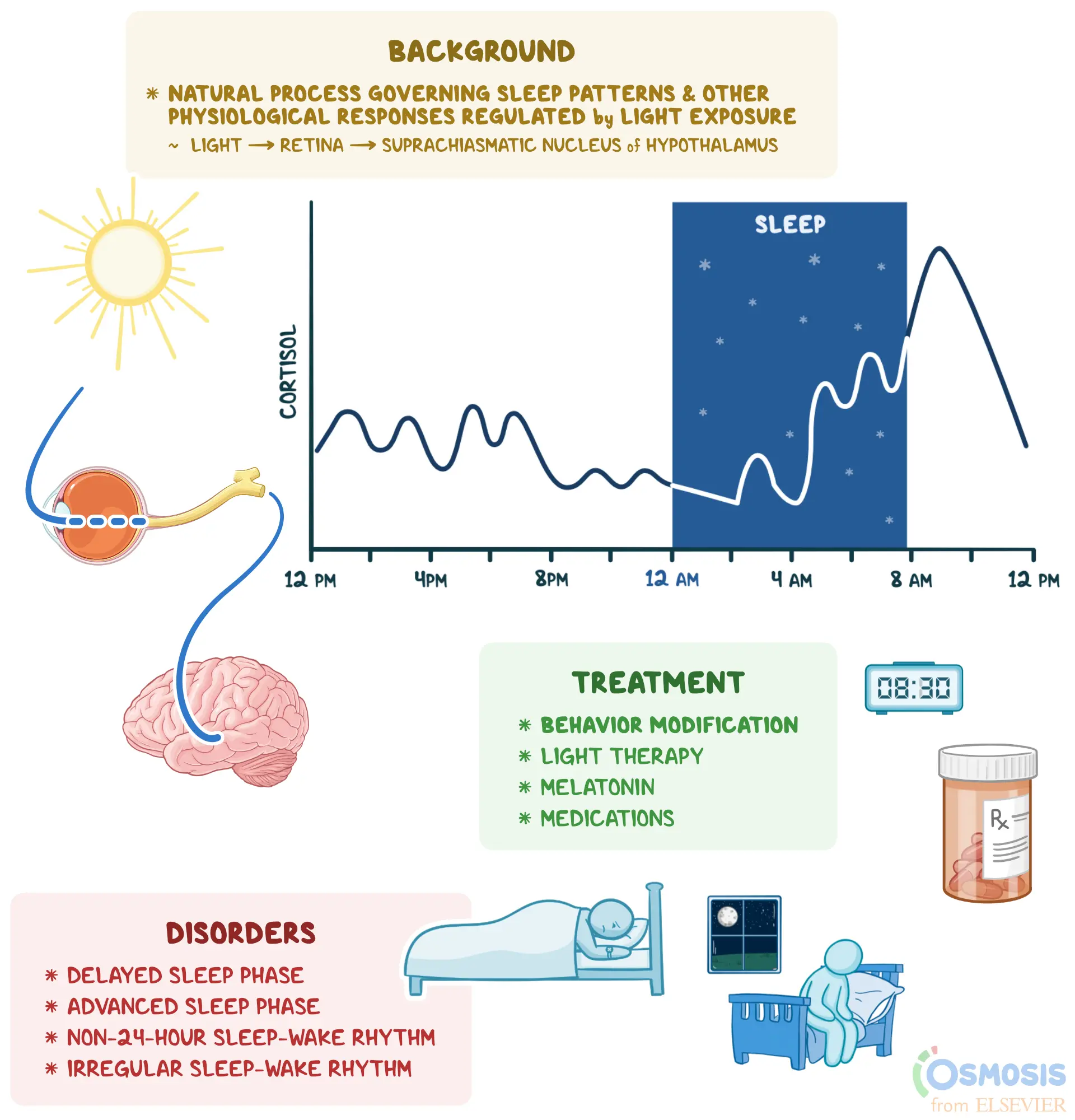
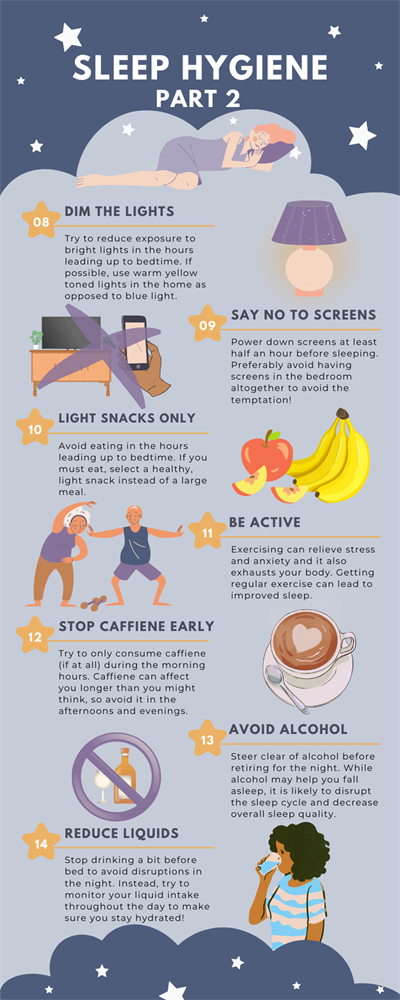
5. Late at Night (Especially Very Hot Showers)

 4
4
While warm showers can relax you, very hot showers may:
- Disrupt body temperature regulation
- Affect sleep quality
Let’s Address the “Stroke” Claim
Showering itself does NOT directly cause a stroke in healthy individuals.
However, sudden changes in:
- Blood pressure
- Temperature
- Circulation
…can be risky for people with:
- High blood pressure
- Heart disease
- Weak blood vessels
Who Should Be Extra Careful?
- Elderly individuals
- People with cardiovascular conditions
- Those prone to dizziness or fainting
Safe Shower Tips
✔️ Use moderate water temperature
✔️ Avoid sudden temperature changes
✔️ Sit if feeling weak
✔️ Stay hydrated
Final Thought
It’s not about avoiding showers—it’s about choosing the right time.
Small habits like this may seem minor, but they can make a real difference in how your body handles stress.
Stay smart, not scared.