Avoid Ginger If You Have These 5 Health Conditions
Ginger is often praised as a “natural medicine”—great for digestion, immunity, even inflammation.
But here’s the truth most people don’t talk about:
Ginger isn’t for everyone. In some cases, it can actually make certain conditions worse.
Let’s break it down clearly so you know when to use it—and when to avoid it.
Why Ginger Can Be Risky for Some People
Ginger contains active compounds like gingerol, which:
- Stimulate digestion
- Thin the blood
- Affect blood sugar and pressure


 4
4
👉 These effects are helpful—but not always safe depending on your condition.
1. People with Bleeding Disorders
Ginger has natural blood-thinning properties.
⚠️ Risk:
- Increased bleeding
- Slower clotting
👉 Especially risky if:
- You have hemophilia
- You bruise easily
2. If You’re Taking Blood-Thinning Medication
This is a big one.
👉 Combining ginger with meds like:
- Aspirin
- Warfarin
…can increase bleeding risk significantly.
Natural doesn’t mean harmless.
3. People with Gallstones
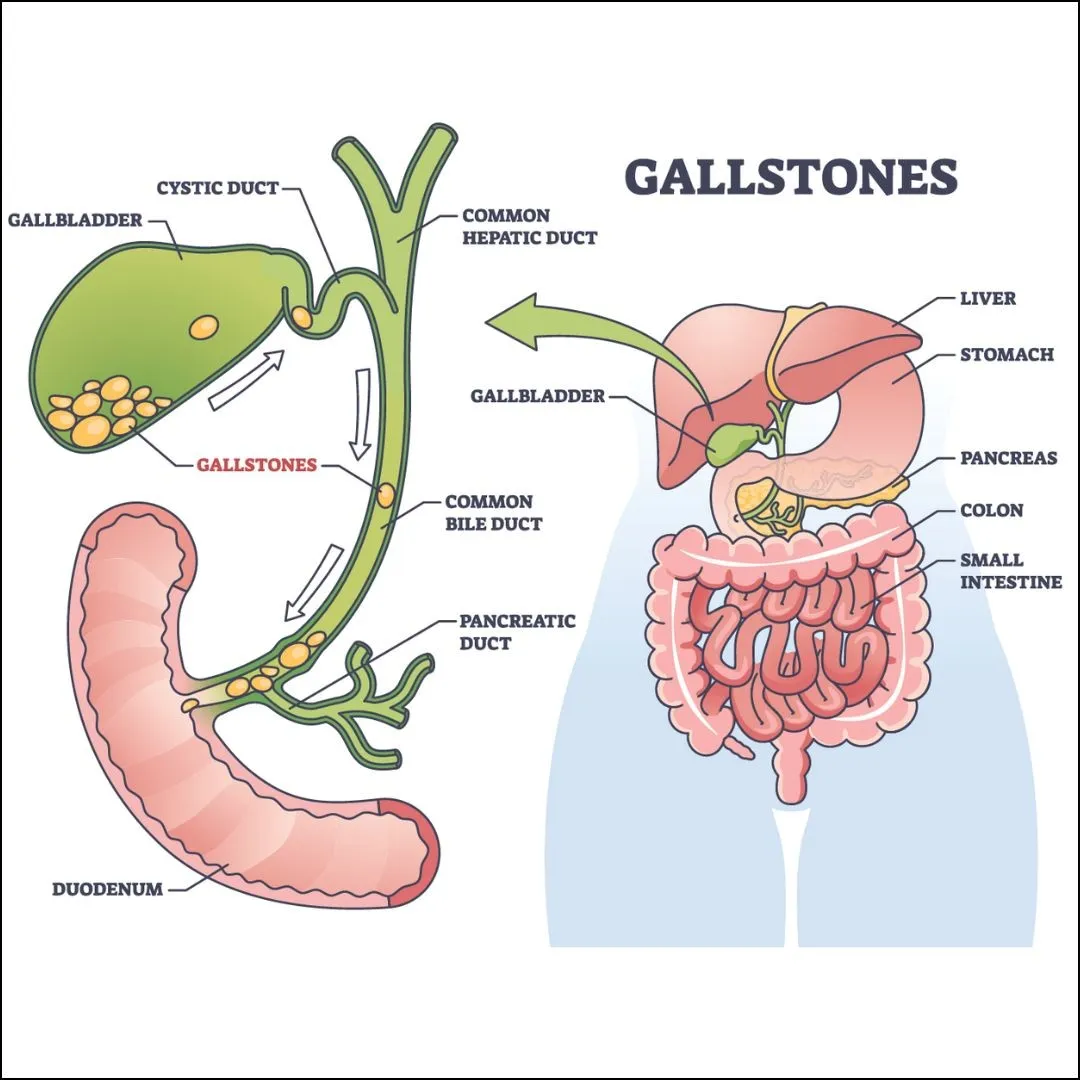

 4
4
Ginger may stimulate bile production.
⚠️ For people with gallstones, this can:
- Trigger pain
- Worsen symptoms
4. Low Blood Pressure (Hypotension)
Ginger can slightly lower blood pressure.
👉 If your blood pressure is already low, it may cause:
- Dizziness
- Weakness
- Lightheadedness
5. People with Low Blood Sugar (or Diabetes on Medication)
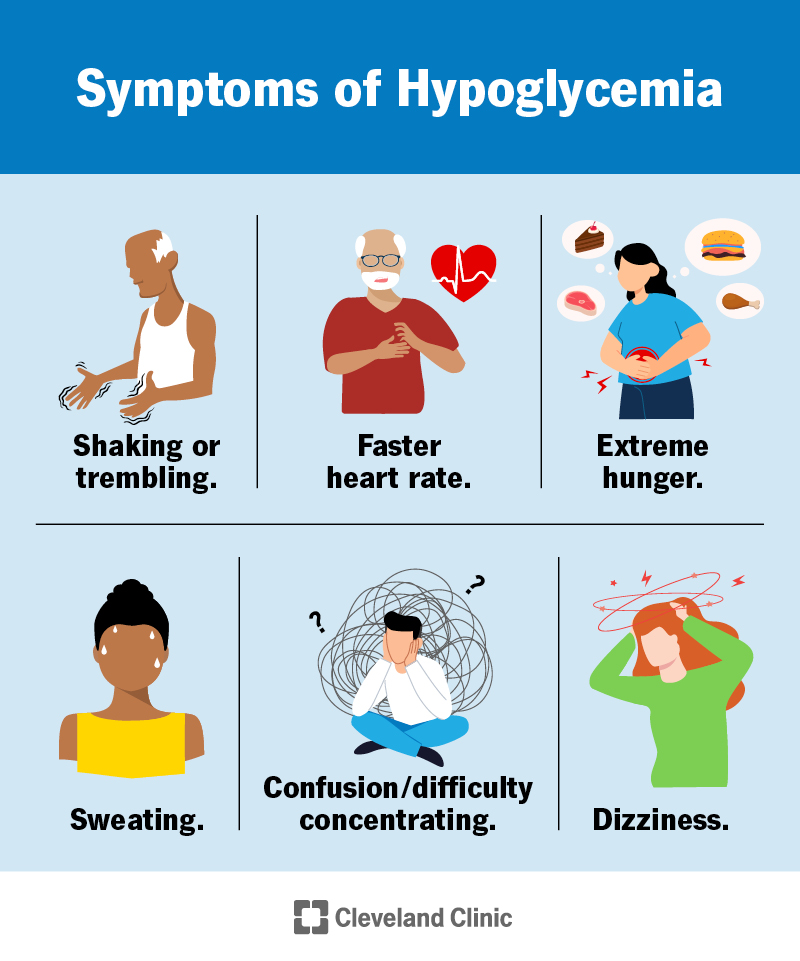

 4
4
Ginger can reduce blood sugar levels.
⚠️ Combined with diabetes medication, it may lead to:
- Hypoglycemia (dangerously low sugar levels)
Important Reality Check
Let’s keep it real:
Most healthy people can safely consume ginger in moderate amounts.
The problem happens when:
- You already have underlying conditions
- You use it excessively
- You combine it with certain medications
How Much Ginger Is Safe?
👉 General guideline:
- Around 1–3 grams per day is considered safe for most people
Final Thought
Ginger is powerful—but that’s exactly why it needs to be used wisely.
It can heal…
or it can harm—depending on your body.