9 Symptoms of Diabetes That People Often Ignore
Diabetes doesn’t always hit hard at the beginning. In fact, many people live with it for years without realizing—because the early signs are subtle, gradual, and easy to dismiss.
But here’s the truth:
Ignoring these small signals can lead to serious complications later.
Let’s break down the 9 warning signs your body may be showing.
Why These Symptoms Happen
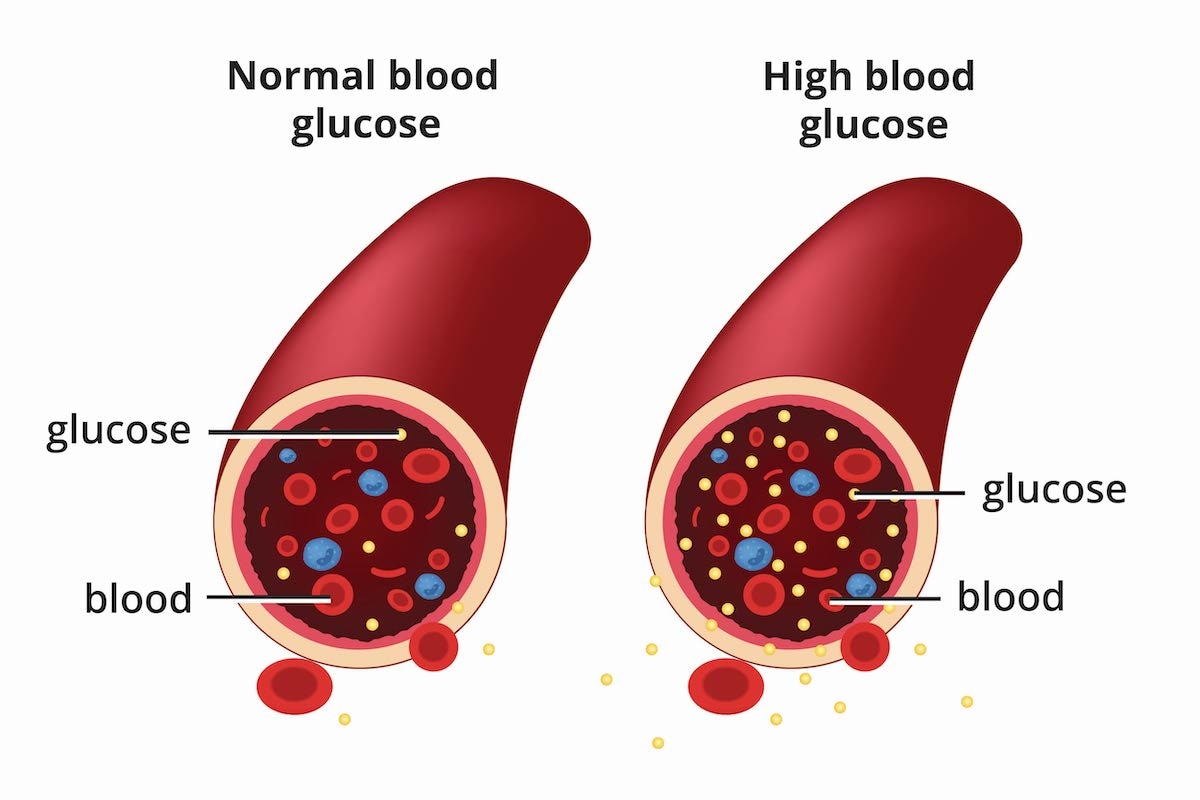
Diabetes affects how your body processes glucose (sugar). When blood sugar levels stay high, it starts to impact:
- Nerves
- Blood vessels
- Skin
- Organs


 4
4
1. Frequent Urination (Especially at Night)
High blood sugar forces your kidneys to work overtime, leading to more frequent trips to the bathroom.
2. Excessive Thirst
Because you're losing more fluids, your body constantly signals thirst—even if you're drinking regularly.
3. Constant Hunger
Even after eating, your body isn’t properly using glucose for energy—so you still feel hungry.
4. Unexplained Weight Loss
Despite eating more, the body starts burning fat and muscle for energy.
5. Slow-Healing Wounds


 4
4
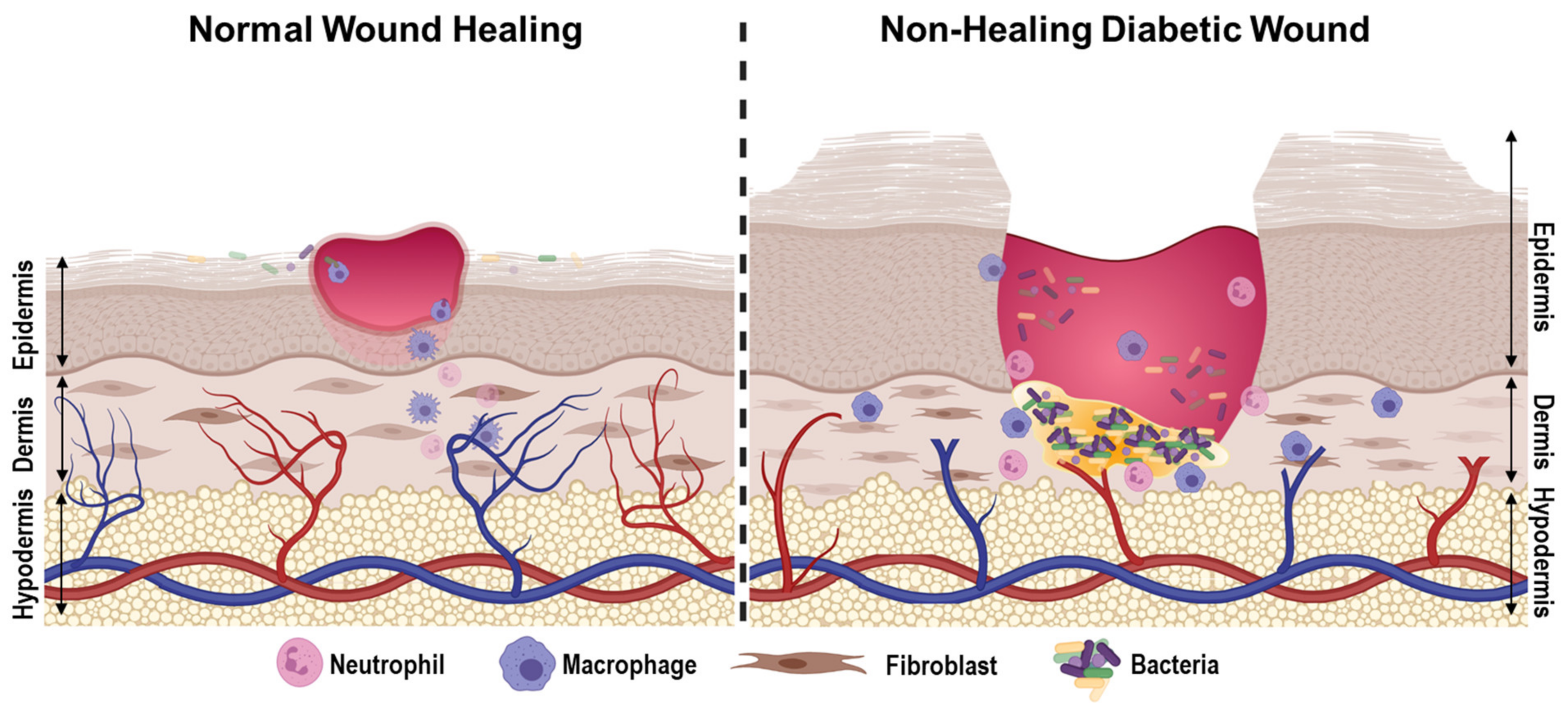
Cuts, bruises, or infections take longer to heal due to poor circulation and immune response.
6. Skin Problems (Rashes, Itching, Infections)


 4
4
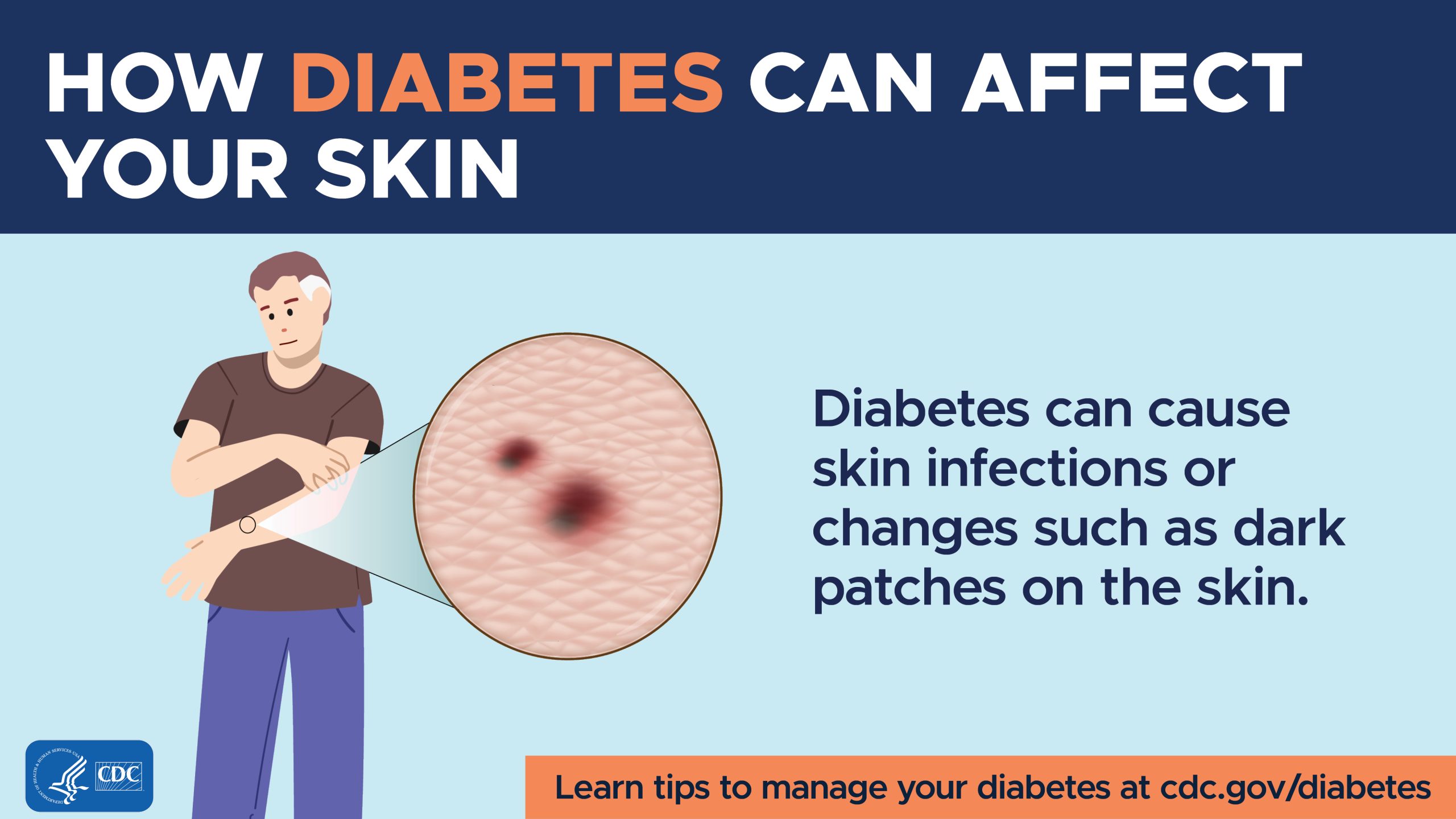
You may notice:
- Red spots
- Fungal infections
- Persistent itching
7. Tingling or Numbness in Hands and Feet
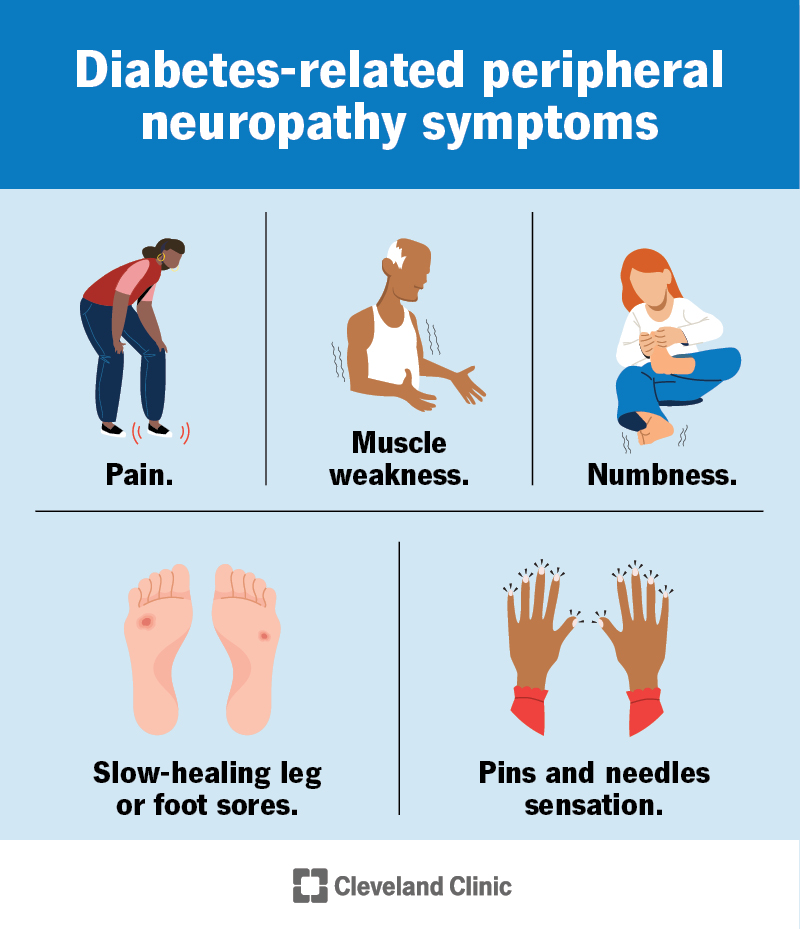


This is called diabetic neuropathy, caused by nerve damage from high blood sugar.
8. Blurred Vision
High glucose levels can affect the eyes, causing temporary or even permanent vision issues.
9. Fatigue and Low Energy
Your body isn’t efficiently converting sugar into energy—so you feel constantly tired.
When Should You Be Concerned?
Let’s be clear:
One symptom alone doesn’t confirm diabetes—but patterns do.
Take it seriously if:
- Multiple symptoms appear together
- Symptoms persist over time
- You have risk factors (overweight, family history, sedentary lifestyle)
What You Should Do
✔️ Get a blood sugar test (fasting glucose or HbA1c)
✔️ Adjust diet (reduce sugar, refined carbs)
✔️ Exercise regularly
✔️ Maintain a healthy weight
Final Thought
Diabetes doesn’t always shout—it builds quietly.
Catching it early can prevent serious complications like nerve damage, kidney disease, and heart problems.
Don’t wait until it gets obvious.