If you share your home with a cat, you've probably experienced this familiar moment: you're walking through the house, and suddenly your cat weaves between your legs, rubbing its head and body against you. Or perhaps your feline friend greets you at the door with gentle nudges against your ankles before following you around the house.
Many people assume this behavior simply means, "My cat loves me." While affection can certainly be part of the story, cats rub against people for several different reasons, and understanding these behaviors can give you valuable insight into your pet's emotions and communication.
Fortunately, in most cases, rubbing is a perfectly normal and healthy feline behavior.
Let's explore what your cat may be trying to tell you.

Why Do Cats Rub Against People?
Cats communicate differently than humans or even dogs.
Instead of relying heavily on facial expressions or vocalizations, cats often communicate through:
-
Body language
-
Scent
-
Touch
-
Posture
-
Tail movements
-
Vocal sounds
Rubbing is one of the most important forms of feline communication.
It often serves multiple purposes at the same time.
1. They're Marking You With Their Scent
One of the most common reasons cats rub against people is scent marking.
Cats have specialized scent glands located around their:
-
Cheeks
-
Chin
-
Lips
-
Forehead
-
Base of the tail
When they rub these areas against you, they leave behind tiny amounts of pheromones—natural chemical signals that humans cannot smell.
These pheromones help cats recognize familiar people, animals, and environments.
Rather than claiming ownership in the human sense, your cat is essentially saying:
"You are part of my safe, familiar world."
This behavior is completely normal.
2. They're Greeting You
Many cats develop greeting rituals.
When you come home, your cat may:
-
Walk toward you
-
Rub against your legs
-
Lift its tail
-
Meow softly
-
Circle around your feet
These behaviors often occur together.
Veterinary behavior experts consider this a friendly social greeting between cats and trusted humans.
3. They're Showing Affection
Not every cat enjoys sitting in a lap.
Some prefer expressing affection through physical contact such as:
-
Head bumps
-
Gentle rubbing
-
Leaning against you
-
Curling beside you
For many cats, rubbing is one of their favorite ways to show they enjoy your company.
If your cat appears relaxed while rubbing against you—with soft eyes, slow blinking, and an upright tail—it is usually a positive sign.
4. They Want Your Attention
Sometimes rubbing is simply your cat's way of saying:
-
"Pet me."
-
"Play with me."
-
"Talk to me."
-
"Notice me."
Cats quickly learn which behaviors get your attention.
If rubbing consistently leads to petting or conversation, they may repeat it whenever they want interaction.
5. They're Asking for Food
Many cat owners notice rubbing behavior becomes more frequent around:
-
Breakfast time
-
Dinner time
-
Treat time
If your cat rubs against you while leading you toward the kitchen or food bowl, they may simply be reminding you that it's mealtime.
Some cats combine rubbing with:
-
Meowing
-
Looking toward the food dish
-
Sitting near the feeding area
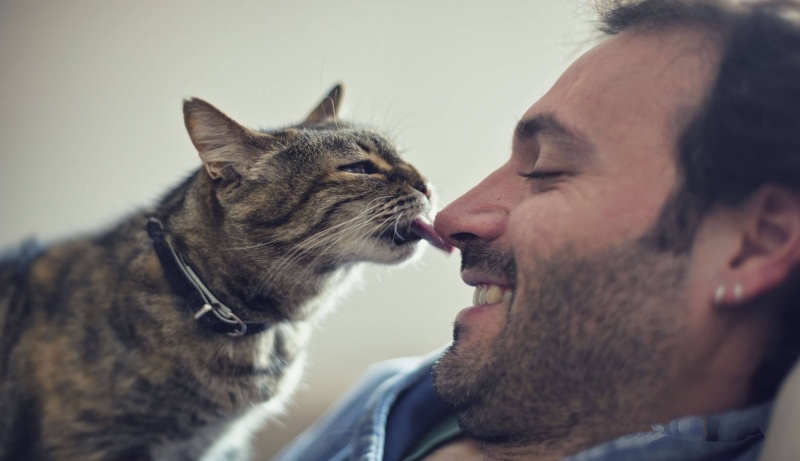
6. They Feel Safe Around You
Cats are naturally cautious animals.
They rarely choose close physical contact with people they don't trust.
If your cat voluntarily rubs against you, it often indicates they feel:
-
Comfortable
-
Secure
-
Relaxed
-
Safe
Building this level of trust can take weeks—or even months—for shy or newly adopted cats.
7. They're Strengthening Social Bonds
In groups of friendly cats, mutual rubbing is common.
Cats may rub:
-
Faces together
-
Heads together
-
Bodies alongside each other
Animal behaviorists believe this helps strengthen social relationships within a group.
When your cat rubs against you, they may be treating you as part of their trusted social circle.
What Does It Mean When a Cat Head-Butts You?
A gentle head bump, sometimes called bunting, is slightly different from ordinary rubbing.
During bunting, a cat presses its forehead or cheeks against you.
This behavior usually combines:
-
Affection
-
Scent marking
-
Social bonding
It is considered one of the friendliest behaviors many cats display.
Why Do Cats Rub Around Your Legs?
Leg rubbing is especially common because:
-
Your legs are easy to reach.
-
Cats naturally walk alongside people.
-
It's an effective way to get your attention.
-
They can comfortably deposit facial pheromones.
Be careful when walking, however.
Cats weaving around your feet can increase the risk of tripping.
Why Do Cats Rub Against Furniture Too?
People aren't the only objects cats rub.
They also rub against:
-
Sofas
-
Tables
-
Door frames
-
Corners
-
Chairs
-
Walls
This helps create familiar scent markers throughout their environment.
These scents may contribute to a cat's sense of comfort and security.
Does Every Cat Rub Against People?
No.
Cats have individual personalities.
Some cats are:
-
Extremely affectionate
-
Constant companions
Others are:
-
Independent
-
Reserved
-
Less physically affectionate
A cat that doesn't rub frequently is not necessarily unhappy.
Many cats show affection in different ways, such as:
-
Sitting nearby
-
Following you
-
Slow blinking
-
Sleeping close to you
-
Bringing toys
Can Stress Change Rubbing Behavior?
Yes.
Stress sometimes changes normal behaviors.
Some cats may rub more often when:
-
Moving to a new home
-
Meeting unfamiliar pets
-
Experiencing changes in routine
Others may rub less if they feel anxious or unwell.
Monitoring changes in your cat's usual behavior can provide useful clues about their well-being.
When Could Excessive Rubbing Be a Concern?
Although rubbing is usually normal, excessive rubbing may occasionally indicate a medical or behavioral issue.
Possible causes include:
Skin Irritation
Cats may rub repeatedly if they have:
-
Allergies
-
Fleas
-
Ear mites
-
Skin infections
Pain or Discomfort
Some cats rub their face if experiencing:
-
Dental disease
-
Mouth pain
-
Ear infections
Neurological Conditions
Rarely, persistent head pressing against walls or objects—different from normal rubbing—may be associated with neurological disorders and requires immediate veterinary attention.
Other Body Language to Watch For
To better understand your cat, look at the entire body—not just the rubbing.
Positive signs include:
-
Tail held upright
-
Relaxed ears
-
Soft eyes
-
Slow blinking
-
Gentle purring
Signs your cat may be uncomfortable include:
-
Flattened ears
-
Dilated pupils
-
Twitching tail
-
Hissing
-
Growling
-
Swatting
Body language provides important context for interpreting behavior.
How Should You Respond?
If your cat enjoys interaction, you can respond by:
-
Gently petting their cheeks or head.
-
Speaking softly.
-
Offering playtime.
-
Respecting their boundaries if they walk away.
Avoid forcing interaction if your cat appears uncomfortable.
Allowing your cat to choose when and how to interact helps build trust.
Myths About Cat Rubbing
Myth 1: Cats Rub Against You Because They Own You
Not exactly.
Cats are leaving familiar scent signals, but this is generally considered a form of communication and social bonding rather than "ownership."
Myth 2: Every Rubbing Cat Wants Food
False.
Food may motivate some rubbing behavior, but many cats rub simply to greet you or seek affection.
Myth 3: Cats Only Rub People They Love
Not necessarily.
Cats sometimes rub visitors or unfamiliar people as well.
This may reflect curiosity, comfort, or scent marking rather than a deep emotional attachment.
When Should You See a Veterinarian?
Most rubbing behavior is completely normal.
However, schedule a veterinary examination if your cat:
-
Suddenly stops interacting after being social.
-
Begins rubbing excessively or compulsively.
-
Develops hair loss or skin irritation.
-
Frequently scratches the ears or face.
-
Appears painful when touched.
-
Presses their head firmly against walls or furniture.
-
Shows changes in appetite, energy, or behavior.
Behavior changes can sometimes be an early sign of illness.
Final Thoughts
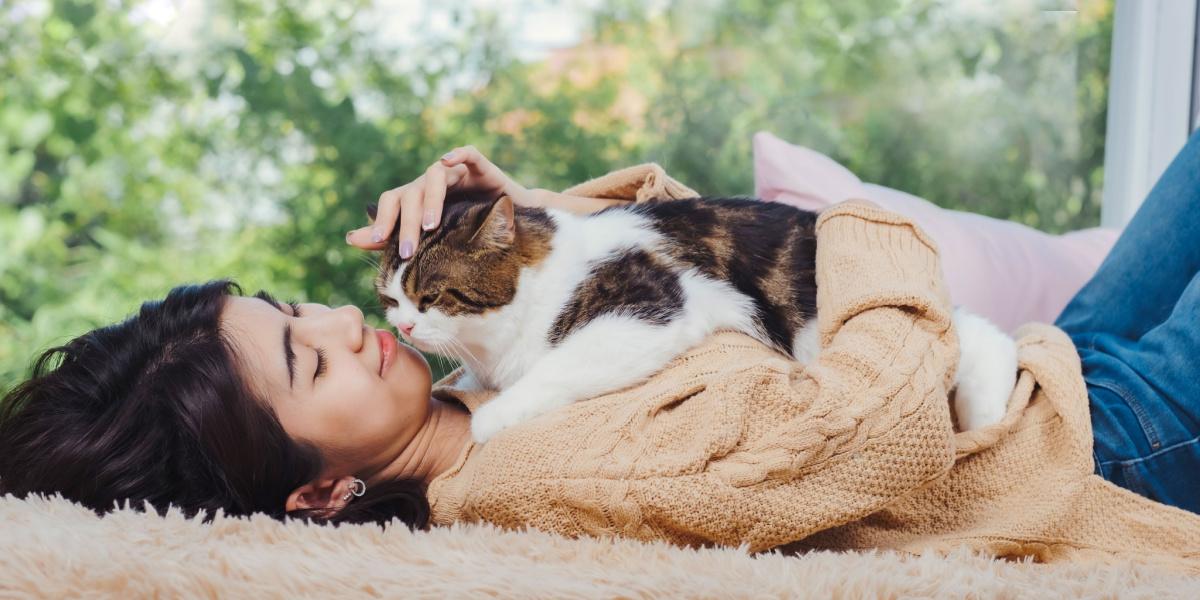
A cat rubbing against you is usually a positive and reassuring behavior. In many cases, it reflects a combination of greeting, affection, scent marking, trust, and social bonding. Because cats communicate through body language and pheromones, rubbing is one of the ways they interact with the people and environments they know best.
Rather than interpreting this behavior as having one single meaning, consider the broader context. Is your cat greeting you at the door, asking for dinner, seeking attention, or simply enjoying your company? Looking at their posture, tail position, vocalizations, and overall behavior can help you better understand what they're trying to communicate.
Most importantly, if your cat's rubbing behavior changes suddenly or becomes excessive—especially if it's accompanied by signs of illness or discomfort—a veterinary evaluation is the best way to rule out underlying health problems.