When Worms and Parasites Multiply Excessively, the Body "Cries for Help" with 5 Uncomfortable Changes
Parasites are organisms that live in or on another organism and survive by feeding off their host. While the thought of parasites may seem alarming, they are more common than many people realize. Some parasitic infections cause few symptoms, while others can lead to significant health problems if left untreated.
When parasites or intestinal worms multiply excessively, the body often begins sending warning signals. These symptoms can be subtle at first but may become increasingly noticeable over time.
Here are five uncomfortable changes that could indicate your body is struggling with a parasitic infection.
1. Persistent Digestive Problems
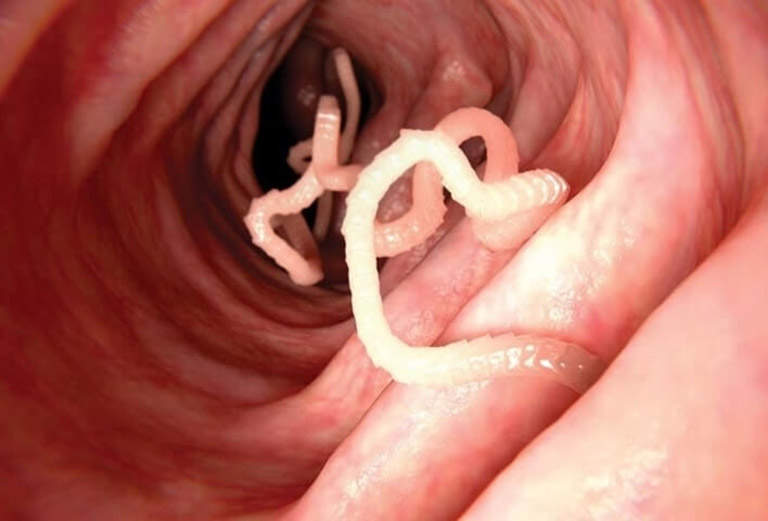
One of the most common signs of intestinal parasites is ongoing digestive discomfort.
Depending on the type of parasite involved, symptoms may include:
- Bloating
- Gas
- Abdominal cramps
- Nausea
- Diarrhea
- Constipation
Parasites can interfere with normal digestion by irritating the lining of the intestines and disrupting nutrient absorption. Some individuals notice symptoms shortly after eating, while others experience chronic digestive issues that seem to have no clear explanation.
Although digestive problems can result from many different conditions, persistent symptoms should not be ignored.
2. Unexplained Fatigue and Weakness
Do you feel exhausted even after getting enough sleep?
Parasites may contribute to fatigue by stealing nutrients from the body and interfering with normal absorption of vitamins and minerals. Over time, nutritional deficiencies can develop, leaving individuals feeling tired, weak, and lacking energy.
Some people also experience difficulty concentrating, memory problems, or what is commonly referred to as "brain fog."
When the body is constantly fighting an infection, it may use additional energy resources, further contributing to feelings of exhaustion.
3. Unusual Weight Changes
Sudden changes in weight can sometimes be associated with parasitic infections.
Some individuals lose weight because parasites consume nutrients that would otherwise nourish the body. Others may experience increased appetite but still struggle to maintain a healthy weight.
In certain cases, bloating and fluid retention may make a person feel heavier even if actual weight loss is occurring.
Unexpected weight changes should always be discussed with a healthcare provider, as they may indicate a variety of underlying medical conditions.
4. Skin Problems and Allergic Reactions
The skin can sometimes reflect what's happening inside the body.
Certain parasitic infections may trigger:
- Itchy skin
- Rashes
- Hives
- Redness
- Eczema-like symptoms
These reactions may occur because the immune system responds to substances released by the parasites.
Some individuals notice recurring skin irritation that seems unrelated to soaps, foods, or environmental allergens. While skin symptoms alone do not confirm a parasitic infection, they may warrant further evaluation when combined with other warning signs.
5. Sleep Disturbances and Anal Itching
Many people are surprised to learn that some parasitic infections can interfere with sleep.
Common symptoms may include:
- Difficulty sleeping
- Frequent waking during the night
- Teeth grinding during sleep
- Restlessness
Certain intestinal worms, particularly pinworms, are known to cause itching around the anal area, especially at night. This occurs because the worms may become more active during nighttime hours.
Persistent itching can significantly disrupt sleep quality and affect daily functioning.
Who Is Most at Risk?
Anyone can develop a parasitic infection, but some factors may increase risk, including:
- Consuming undercooked meat or seafood
- Drinking contaminated water
- Poor hand hygiene
- Traveling to areas where parasites are more common
- Close contact with infected individuals or animals
Children are often at higher risk because they may be less likely to follow proper hygiene practices.
When Should You Seek Medical Advice?
If you experience persistent digestive symptoms, unexplained fatigue, skin reactions, or other concerning changes, it's important to consult a healthcare professional.
A proper diagnosis may involve stool testing, blood work, imaging studies, or other evaluations depending on your symptoms and medical history.
Because many parasite-related symptoms overlap with other conditions, self-diagnosis can be difficult and sometimes misleading.
Tips for Prevention
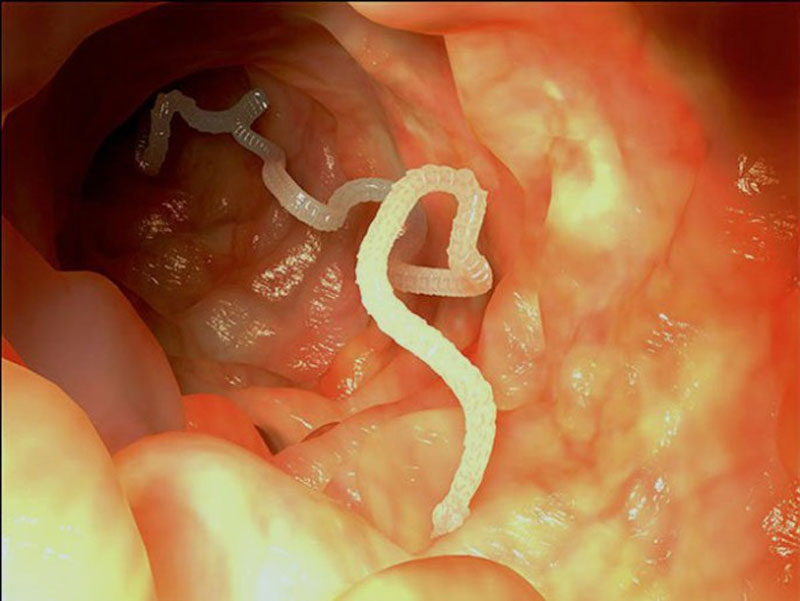
While not all infections can be prevented, several habits may reduce your risk:
- Wash your hands thoroughly before eating and after using the restroom.
- Cook meat and seafood to safe temperatures.
- Wash fruits and vegetables carefully.
- Drink clean, safe water.
- Practice good hygiene around pets.
- Follow food safety guidelines when traveling.
Final Thoughts
Parasites and intestinal worms do not always cause obvious symptoms, but when they multiply excessively, the body often responds with warning signs. Persistent digestive problems, unexplained fatigue, weight changes, skin issues, and sleep disturbances may all signal that something is wrong.
These symptoms can have many possible causes, so experiencing one or more of them does not necessarily mean you have a parasitic infection. However, paying attention to your body's signals and seeking medical advice when symptoms persist can help identify the underlying cause and support better overall health.