When most people think about pork, they picture familiar cuts such as pork chops, ribs, bacon, tenderloin, or shoulder.
But traditional cuisines around the world have long taken a different approach. Instead of using only the most familiar cuts, cooks have found ways to prepare many other parts of the animal—including organs, skin, ears, and feet.
Some of these less-popular parts are surprisingly versatile in the kitchen. Others are particularly rich in certain nutrients. And in many cases, using them can be a practical way to reduce food waste.
That doesn't mean every overlooked part of a pig is automatically healthier than ordinary pork. Some are high in cholesterol, fat, sodium, or particular micronutrients and should be eaten appropriately.
Still, if you've always thrown these parts away, you may be overlooking some interesting culinary possibilities.
Here are 5 pig parts that deserve more attention.
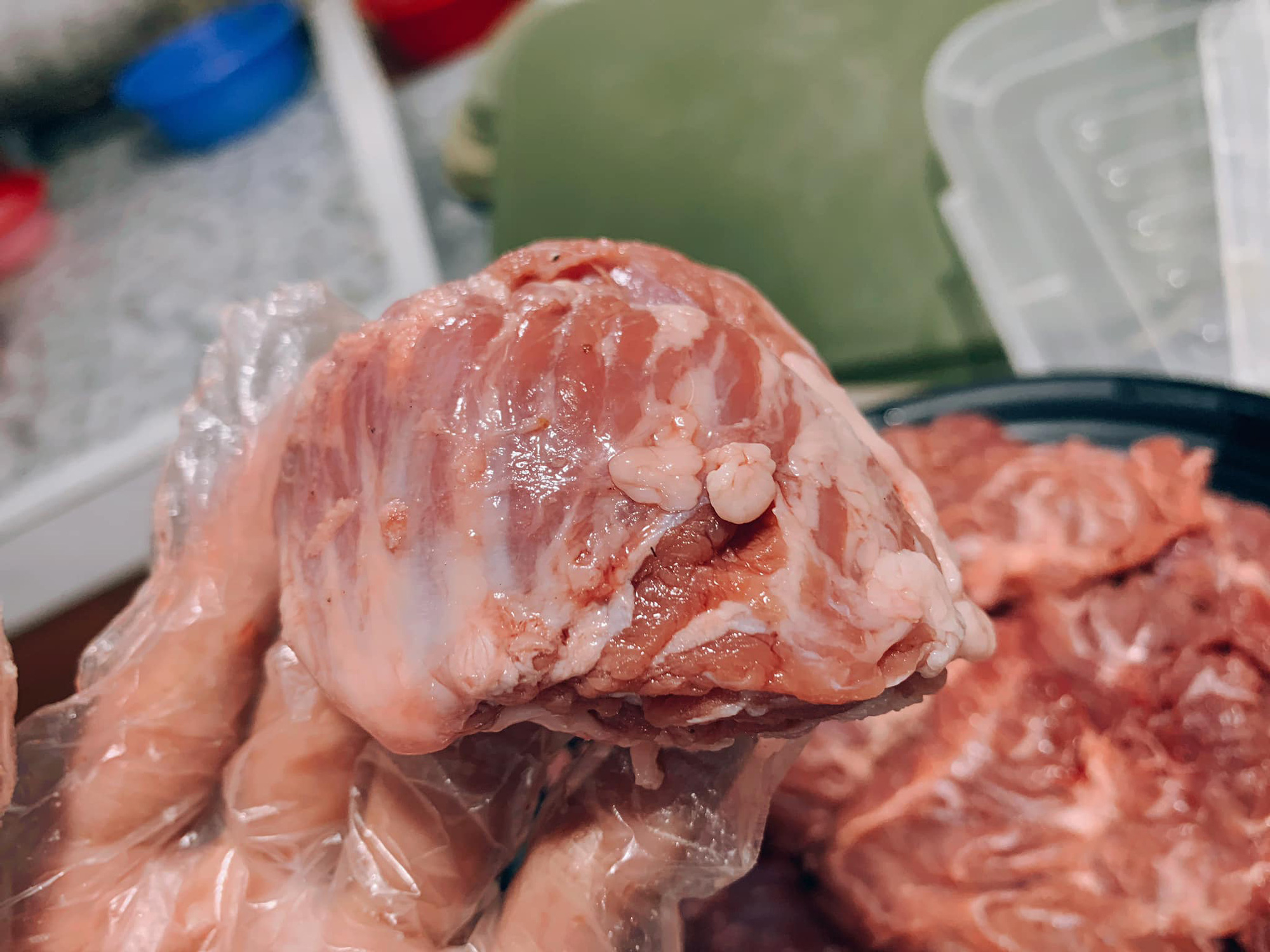
1. Pig Liver - Extremely Nutrient-Dense
Pig liver is one of the most nutrient-dense edible organs.
Although liver is not everyone's favorite food, it has been used for generations in pâtés, sausages, terrines, stir-fries, soups, and traditional dishes.
One reason liver stands out is its concentration of micronutrients.
It can provide substantial amounts of:
-
Vitamin A
-
Vitamin B12
-
Riboflavin
-
Folate
-
Iron
-
Copper
-
High-quality protein
Vitamin B12 is particularly important because it plays a role in red blood cell formation and normal nervous-system function.
Iron is also essential for producing hemoglobin, the protein that carries oxygen throughout the body.
But liver is a food where more is not necessarily better.
It contains very high amounts of preformed vitamin A. Eating large quantities frequently can lead to excessive vitamin A intake.
For that reason, liver is generally better viewed as an occasional nutrient-rich food rather than something to eat in large portions every day.
People who are pregnant or taking vitamin A-containing supplements should be particularly careful about excessive intake of liver and should follow medical or dietary advice.
How is pig liver prepared?
It can be sliced and quickly pan-fried, incorporated into pâté, added to sausages, or cooked with onions and herbs.
The key is proper cooking.
Raw or undercooked pork liver can carry foodborne pathogens and should not be treated like a delicacy that is safe simply because it is fresh.
Use appropriate food-safety practices and cook it thoroughly.
2. Pig Heart — Lean, Protein-Rich, and Often Forgotten
The heart is another edible organ that many people overlook.
Unlike some other organ meats, pig heart is relatively muscular because the heart is essentially a hardworking muscle.
It provides:
-
Protein
-
Iron
-
Zinc
-
Selenium
-
Vitamin B12
-
Other B vitamins
Its texture is firmer than ordinary pork, which can surprise people the first time they try it.
But when prepared correctly, heart can be flavorful and satisfying.
In many traditional cuisines, it is grilled, braised, stewed, sliced into stir-fries, or incorporated into mixed dishes.
Why does heart have such a firm texture?
The heart works continuously throughout the animal's life.
Its muscle fibers are therefore different from those found in more tender cuts of meat.
Removing connective tissue and slicing the meat appropriately can improve the eating experience.
It can also be marinated before grilling or cooking.
Because heart is an organ meat, it can be a useful addition to a varied diet—but it should still be treated as meat from a food-safety perspective.
Proper refrigeration, preparation, and cooking are important.
3. Pig Feet — A Traditional Source of Gelatin and Collagen
Pig feet may not look particularly appetizing to someone unfamiliar with them.
But they have been used in traditional cooking for centuries.
Unlike a lean cut of pork, pig feet contain relatively little meat and a great deal of skin, connective tissue, tendons, and cartilage.
When slowly simmered, these tissues release gelatin, producing a rich, thick broth.
That's why pig feet are commonly used in:
-
Soups
-
Broths
-
Stews
-
Braised dishes
-
Aspic and jellied preparations
-
Traditional noodle dishes
The collagen in connective tissue is converted into gelatin during prolonged cooking.
This gives the resulting broth its characteristic body and texture.
Does eating pig feet improve your joints?
This is where it is important to separate nutrition from marketing claims.
Pig feet contain collagen-derived proteins and other nutrients, but eating them does not mean that the collagen simply travels to your joints and repairs damaged cartilage.
During digestion, proteins are broken down into amino acids and smaller peptides.
Some research has investigated dietary collagen and joint-related outcomes, but that does not establish pig feet as a treatment for arthritis or other joint disorders.
So enjoy them as a traditional food—not as a miracle remedy.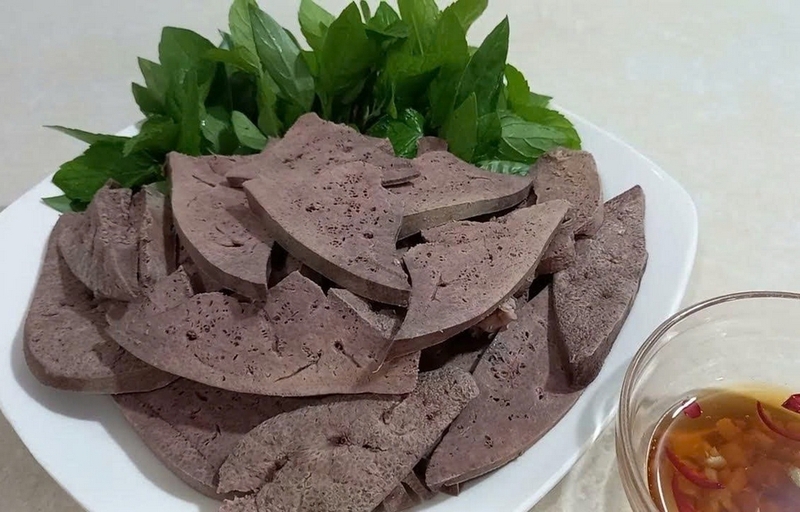
One important consideration
Pig feet can also be relatively high in fat and calories depending on how they are prepared.
A rich broth can contain substantial amounts of fat and sodium, particularly when salt-heavy seasonings are added.
Preparation matters.
4. Pig Ears — More Than Just a Snack
Pig ears are another part of the animal that often gets discarded in modern meat production despite their long culinary history.
They are composed largely of skin, cartilage, and connective tissue.
Their texture is perhaps their most distinctive feature.
Properly cooked pig ears can be:
-
Braised
-
Boiled
-
Smoked
-
Grilled
-
Fried
-
Pickled
-
Sliced into salads or cold dishes
The cartilage gives them a characteristic chewiness that some people particularly enjoy.
Nutritionally, pig ears provide protein and connective-tissue components, but they can also contain considerable amounts of fat depending on the preparation.
So the idea that pig ears are automatically a “healthy food” would be misleading.
Their main appeal is often culinary: they transform a part of the animal that might otherwise become waste into a flavorful ingredient.
5. Pig Skin — A Versatile Ingredient With a Long Culinary History
Pig skin is perhaps one of the most familiar “overlooked” parts of the animal.
When prepared properly, it can become crispy crackling, a component of sausages, a thickener for traditional dishes, or an ingredient in soups and stews.
Pig skin contains collagen and connective tissue, which can contribute gelatin when slowly cooked.
It can also provide protein.
But there is an important caveat:
Pig skin is not a low-calorie food simply because it contains collagen.
Depending on preparation, it can contain substantial amounts of fat.
Deep-fried pork skin, for example, is very different nutritionally from a small amount of boiled or braised skin incorporated into a soup.
Portion size and preparation method therefore matter.
Why Did People Traditionally Use Almost Every Part of the Animal?
Before modern industrial food systems, wasting edible animal parts was often economically impractical.
If a family raised or purchased an entire animal, they had strong incentives to make use of as much of it as possible.
That encouraged generations of cooks to develop recipes for parts that modern consumers might overlook.
Organs became pâtés, sausages, stews, and stir-fries.
Feet became broth and gelatin-rich dishes.
Ears became braised or grilled specialties.
Skin became crackling and other traditional foods.
This approach wasn't necessarily based on the belief that every part was a “superfood.”
It was often simply resourcefulness.
Today, rediscovering these foods can have a similar benefit: making more use of an animal rather than discarding potentially edible portions.
Are Organ Meats Healthier Than Regular Pork?
Not necessarily.
Different parts of the pig have different nutritional profiles.
A lean pork tenderloin, for example, can be an excellent source of protein without the extremely high vitamin A content found in liver.
Liver, meanwhile, is exceptionally rich in certain micronutrients but should not be consumed in excessive quantities.
Pig feet and ears contain connective tissue but can also be high in fat.
So there is no single answer to the question of which part is “healthiest.”
The better approach is to consider variety, portion size, preparation method, and your individual health needs.
People With Certain Health Conditions Should Be More Careful
Although organ meats can be nutritious, they are not equally appropriate for everyone.
People with certain medical conditions may need to pay attention to their intake of particular nutrients.
For example, people with gout or high uric acid may be advised to limit certain high-purine foods, and organ meats can be particularly rich in purines.
People managing high cholesterol or cardiovascular risk may also need to consider the overall saturated-fat and cholesterol content of their diet.
Those with chronic kidney disease may receive individualized recommendations regarding protein, phosphorus, potassium, sodium, or other nutrients.
And people taking certain supplements should be careful about combining them with highly concentrated nutrient sources such as liver.
If you have a medical condition requiring dietary restrictions, don't assume that traditional foods are automatically appropriate.
Food Safety Matters More Than the Cut
One of the biggest mistakes people can make with less-common cuts is focusing on nutritional value while forgetting food safety.
Organ meats and other animal products are perishable foods.
Keep them refrigerated promptly.
Prevent raw meat and organs from contaminating ready-to-eat foods.
Use separate cutting boards when practical.
Wash hands and utensils appropriately after handling raw pork.
And most importantly, cook pork and organ meats to a safe internal temperature appropriate for the particular product, using a food thermometer when possible.
Don't rely solely on color.
Some pathogens cannot be detected by smell, appearance, or taste.

Why “Natural” Doesn't Mean Risk-Free
Traditional foods sometimes receive an almost mythical reputation online.
You may see claims that pig feet “rebuild joints,” liver “cures anemia,” or pig skin “rejuvenates the body.”
These statements go much further than the evidence allows.
A food can be nutritious without being a treatment.
For example, liver contains iron and vitamin B12, both of which are important nutrients. But eating liver is not a substitute for diagnosing and treating anemia.
Likewise, pig feet contain collagen-rich connective tissue, but that does not make them a treatment for arthritis.
Food supports nutrition. Medicine treats diagnosed disease.
Keeping that distinction clear helps prevent traditional foods from being turned into exaggerated health claims.
The Value of Using More of the Animal
There is another reason these foods deserve attention.
Using more edible portions of an animal can potentially reduce food waste.
When people purchase only a few premium cuts and discard everything else, considerable usable material may be lost.
Traditional cuisines often approached meat differently.
The goal wasn't necessarily to find the most expensive cut.
It was to make something delicious from what was available.
That philosophy remains relevant today.
A slow-cooked pig-foot broth, properly prepared liver dish, grilled heart, crispy skin, or braised ear can demonstrate that less fashionable cuts can still have significant culinary value.
How to Introduce These Foods Into Your Diet
If you've never eaten organ meats or traditional pork cuts before, there is no need to dramatically change your diet.
Start with small portions.
For liver, a modest serving occasionally may provide plenty of micronutrients without creating excessive vitamin A intake.
For heart, try slicing it thinly and marinating it before grilling or stir-frying.
Pig feet work particularly well in slow-cooked soups and broths.
Pig ears can be braised until tender and then grilled or sliced.
Pig skin can be incorporated into traditional dishes or prepared as a crisp topping, depending on the recipe.
The goal is variety rather than excess.
The Five Parts at a Glance
Pig Liver
Exceptionally rich in vitamin A, B12, iron, copper, and other nutrients. Best eaten in moderation because of its very high vitamin A content.
Pig Heart
A protein-rich muscular organ containing several vitamins and minerals. Firm in texture but versatile when grilled, braised, or stir-fried.
Pig Feet
Rich in connective tissue and gelatin after prolonged cooking. Popular in soups and braised dishes, though preparation can make them calorie- and sodium-dense.
Pig Ears
Mostly skin and cartilage, valued for their distinctive chewy texture. Can be braised, grilled, pickled, or incorporated into salads and other dishes.
Pig Skin
Contains collagen-rich connective tissue and can be used in broths, sausages, traditional dishes, or crisp preparations. Often high in fat depending on how it is cooked.
Final Thoughts
For generations, cooks around the world have understood something that modern food culture sometimes forgets: an animal can offer much more than the cuts displayed in the supermarket meat case.
Pig liver, heart, feet, ears, and skin can all have a place in the kitchen when properly sourced, prepared, and eaten in appropriate amounts.
But “overlooked” doesn't mean “miraculous.”
Liver is nutrient-dense but extremely high in vitamin A. Pig feet and skin contain collagen-rich connective tissue but can also be high in fat. Organ meats can be particularly rich in purines and may not be appropriate for everyone. And every pork product requires careful handling and thorough cooking to reduce foodborne illness risk.
The real lesson is not that you should suddenly eat every part of a pig.
It's that nutritional value and culinary value aren't limited to the most expensive cuts.
With the right preparation, some parts that are routinely discarded can become flavorful, traditional, and useful ingredients—while helping us make better use of the food we already have.