5 “Dark Spots” on the Body That Could Be Warning Signs of Serious Health Problems
The human body often reveals important clues about internal health through changes in the skin, nails, and other visible areas. While many spots or marks on the skin are harmless, some unusual dark spots or pigmentation changes can sometimes signal underlying medical conditions that require attention.
Skin is the body’s largest organ, and it frequently reacts to internal changes before other symptoms appear. That is why doctors often advise people to pay attention to unusual marks, especially when they appear suddenly, change in appearance, or grow over time.
Below are five types of dark spots that may sometimes indicate potential health issues, including certain forms of skin cancer or metabolic disorders. Recognizing these signs early can help encourage timely medical evaluation.
1. Dark Vertical Line Under the Nail


A dark vertical line running from the base to the tip of the nail can sometimes be a condition known as longitudinal melanonychia. In many cases, this pigmentation is harmless and related to melanin production.
However, in rare situations, a dark stripe under the nail may be associated with subungual melanoma, a type of skin cancer that develops beneath the nail.
Warning signs that may require medical attention include:
-
A stripe that becomes wider over time
-
Uneven or irregular color
-
Pigment spreading to the surrounding skin
-
Changes in the nail shape
Because nails grow slowly, these changes may appear gradually. Dermatologists recommend evaluating persistent nail discoloration, especially if it occurs in only one nail.
2. Dark Velvety Skin Around the Neck

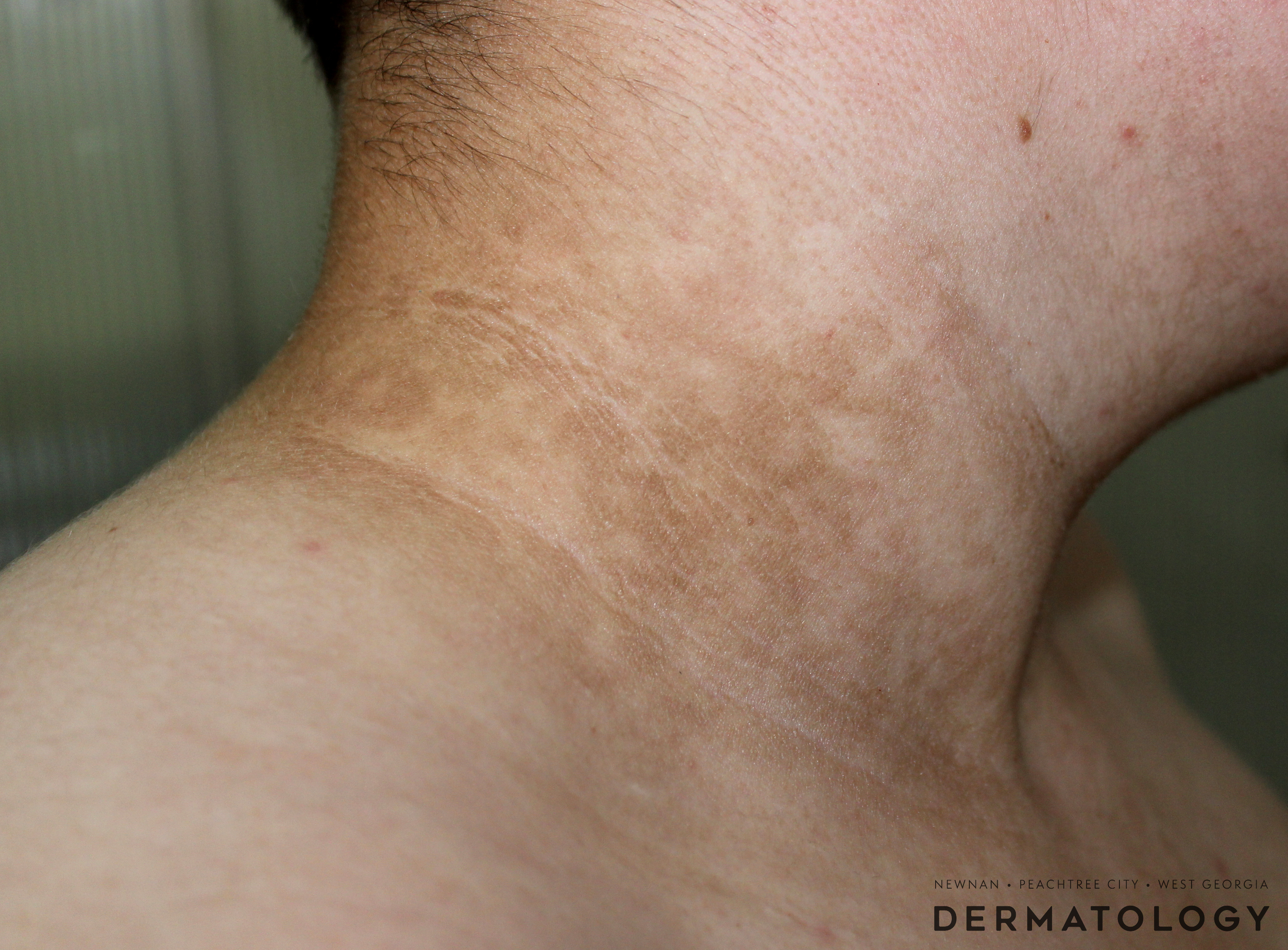

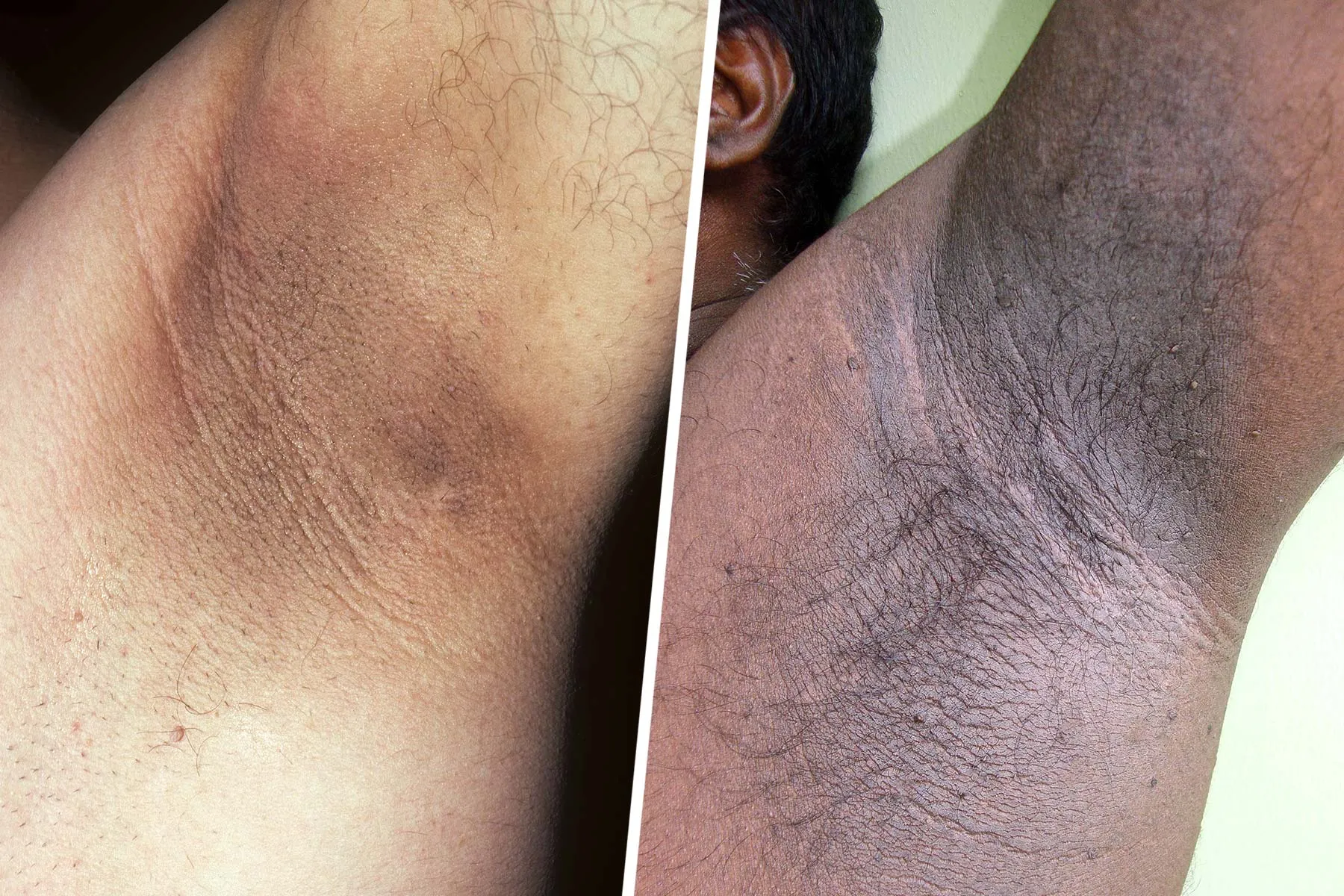
Another common dark patch that may appear on the body is thickened, velvety skin around the neck, underarms, or groin. This condition is known as acanthosis nigricans.
It often appears as:
-
Darkened skin folds
-
Thick, velvety texture
-
Gradual spreading in skin creases
Acanthosis nigricans is frequently associated with insulin resistance, a condition linked to type 2 diabetes and metabolic syndrome.
In rare cases, sudden and widespread acanthosis nigricans may be connected with certain internal cancers, though this is uncommon.
Most often, however, it signals metabolic imbalance or hormonal changes that should be assessed by a healthcare professional.
3. Dark Spots That Change in Size or Shape


One of the most important warning signs of skin cancer involves moles or spots that change over time.
Dermatologists often use the ABCDE rule to identify potentially concerning moles:
-
A – Asymmetry: One half does not match the other
-
B – Border: Edges appear irregular or blurred
-
C – Color: Multiple colors within the same spot
-
D – Diameter: Larger than about 6 millimeters
-
E – Evolving: Changes in size, color, or shape
Spots that itch, bleed, or grow rapidly should be examined by a medical professional.
Regular skin checks are especially important for people with fair skin, significant sun exposure, or a family history of skin cancer.
4. Dark Spots on the Palms or Soles



Unusual dark spots that appear on the palms of the hands or soles of the feet should be monitored carefully.
One rare but serious condition called acral lentiginous melanoma can develop in these areas. Unlike other skin cancers, this type is not strongly linked to sun exposure, which is why it may sometimes go unnoticed.
These spots may appear as:
-
Dark brown or black patches
-
Irregular shapes
-
Spots that slowly enlarge over time
Because people rarely inspect the soles of their feet, these lesions may remain unnoticed for long periods.
Regular self-examination can help detect changes earlier.
5. Sudden Dark Patches That Spread Quickly

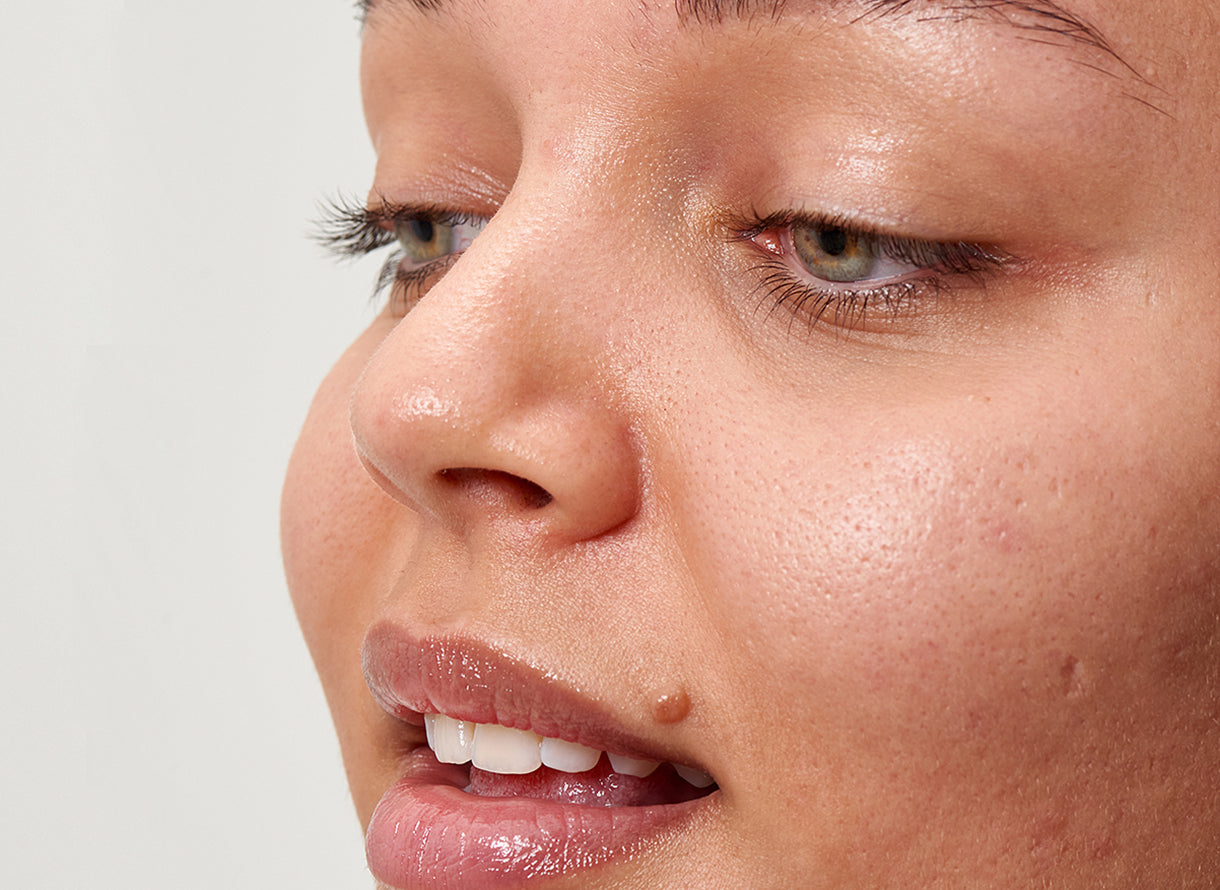
In some cases, the sudden appearance of multiple dark patches across the skin may indicate underlying health changes.
These patches can be related to:
-
Hormonal shifts
-
Medication reactions
-
Chronic inflammation
-
Rare internal diseases
Although most pigmentation changes are harmless, rapid spreading or unusual patterns should be evaluated to rule out more serious conditions.
Why Skin Changes Should Never Be Ignored
The skin can act as a visible window into overall health. Many internal conditions — from metabolic disorders to autoimmune diseases — may first appear as changes in skin color or texture.
While most dark spots are harmless and related to aging, sun exposure, or genetics, it is important to watch for new or changing lesions.
Early detection plays a major role in successfully treating many conditions, particularly skin cancers.
Final Thoughts
Dark spots on the skin or nails are extremely common and usually harmless. However, certain patterns — such as changing moles, unusual nail stripes, or thickened dark skin folds — may sometimes signal underlying health concerns.
Paying attention to these subtle changes and consulting a healthcare professional when something appears unusual can help ensure early diagnosis and proper care.
The body often communicates through small signals, and learning to recognize them may help protect long-term health.