Mold is more common than many people realize. It can grow quietly behind walls, under carpets, around windows, in bathrooms, or anywhere moisture builds up. While some molds are relatively harmless, prolonged exposure especially indoors can irritate the respiratory system and worsen certain health conditions.
Not everyone reacts to mold the same way. Some people may barely notice it, while others experience persistent respiratory symptoms that improve only after the mold source is removed.
Here are 5 warning signs that mold exposure may be affecting your lungs and breathing.

🌫️ What Is Mold?
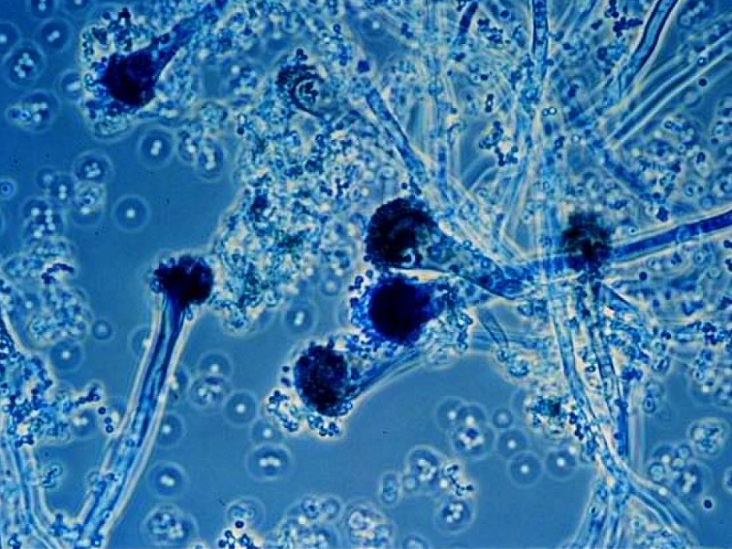
Mold is a type of fungus that thrives in damp, humid environments.
It spreads by releasing tiny airborne spores that can be inhaled. In sensitive individuals, these spores may irritate the:
- Nose
- Throat
- Airways
- Lungs
People with asthma, allergies, or weakened immune systems are often more vulnerable.
⚠️ 1. Persistent Cough
One of the most common symptoms linked to mold exposure is a lingering cough.
Characteristics:
- Dry or irritating cough
- Worse indoors or in certain rooms
- Lasts for weeks without clear infection
Some people notice improvement when they leave the environment temporarily.
😮💨 2. Wheezing or Shortness of Breath
Mold exposure may irritate the airways and trigger breathing difficulties.
Possible symptoms:
- Wheezing sounds while breathing
- Chest tightness
- Feeling short of breath
This can be especially noticeable in people with:
- Asthma
- Allergies
- Chronic lung conditions
🤧 3. Frequent Sneezing and Nasal Congestion
Mold spores may trigger allergy-like symptoms.
You may experience:
- Sneezing
- Runny nose
- Stuffy nose
- Postnasal drip
Symptoms are often worse in damp environments.
🫁 4. Throat Irritation and Chest Discomfort
Some people develop irritation in the upper airways after prolonged mold exposure.
Common complaints:
- Sore throat
- Burning sensation in the throat
- Mild chest discomfort when breathing deeply
😴 5. Fatigue and Headaches Alongside Respiratory Symptoms
Poor indoor air quality may contribute to:
- Headaches
- Fatigue
- Trouble concentrating
Especially when combined with ongoing respiratory irritation.
🏠 Where Mold Commonly Grows
Mold often develops in:
- Bathrooms
- Basements
- Kitchens
- Air conditioning systems
- Water-damaged walls or ceilings
Visible mold is not always present - sometimes the smell is the biggest clue.
👃 The Musty Smell Warning Sign
A persistent damp or musty odor may indicate hidden mold growth, even if you cannot see it.
🚨 Who Is Most at Risk?
Certain groups are more sensitive to mold exposure, including:
- People with asthma
- Children
- Older adults
- Individuals with allergies
- People with weakened immune systems
⚠️ When Mold Exposure Becomes More Serious
In rare cases, heavy or prolonged exposure may contribute to more severe respiratory problems.
Seek medical attention if you experience:
- Difficulty breathing
- Persistent wheezing
- Fever
- Worsening asthma symptoms
- Coughing that does not improve
🛡️ How to Reduce Mold Exposure
✔️ Control Moisture
Fix leaks and reduce humidity.
✔️ Improve Ventilation
Use fans and open windows when possible.
✔️ Clean Mold Safely
Small areas can sometimes be cleaned carefully, but larger infestations may require professional removal.
✔️ Use a Dehumidifier
Especially in humid climates or damp rooms.
🌿 Supporting Respiratory Health
Good habits that support lung health include:
- Avoiding smoking
- Keeping indoor air clean
- Staying hydrated
- Regular physical activity
Healthy lungs recover better from environmental irritants.
🧠 Why Mold Symptoms Are Often Overlooked
Mold-related symptoms are easy to confuse with:
- Seasonal allergies
- Common colds
- Mild asthma
- Dust sensitivity
Because symptoms may develop gradually, many people don’t immediately connect them to their environment.

💡 Final Thoughts
Mold exposure doesn’t affect everyone equally, but persistent respiratory symptoms - especially those that worsen indoors should not be ignored.
Signs like:
- Chronic coughing
- Wheezing
- Congestion
- Throat irritation
may be your body reacting to poor indoor air quality.
The encouraging part is that identifying and removing the source often makes a significant difference.
Because sometimes, protecting your lungs starts not with medication - but with paying attention to the environment around you.