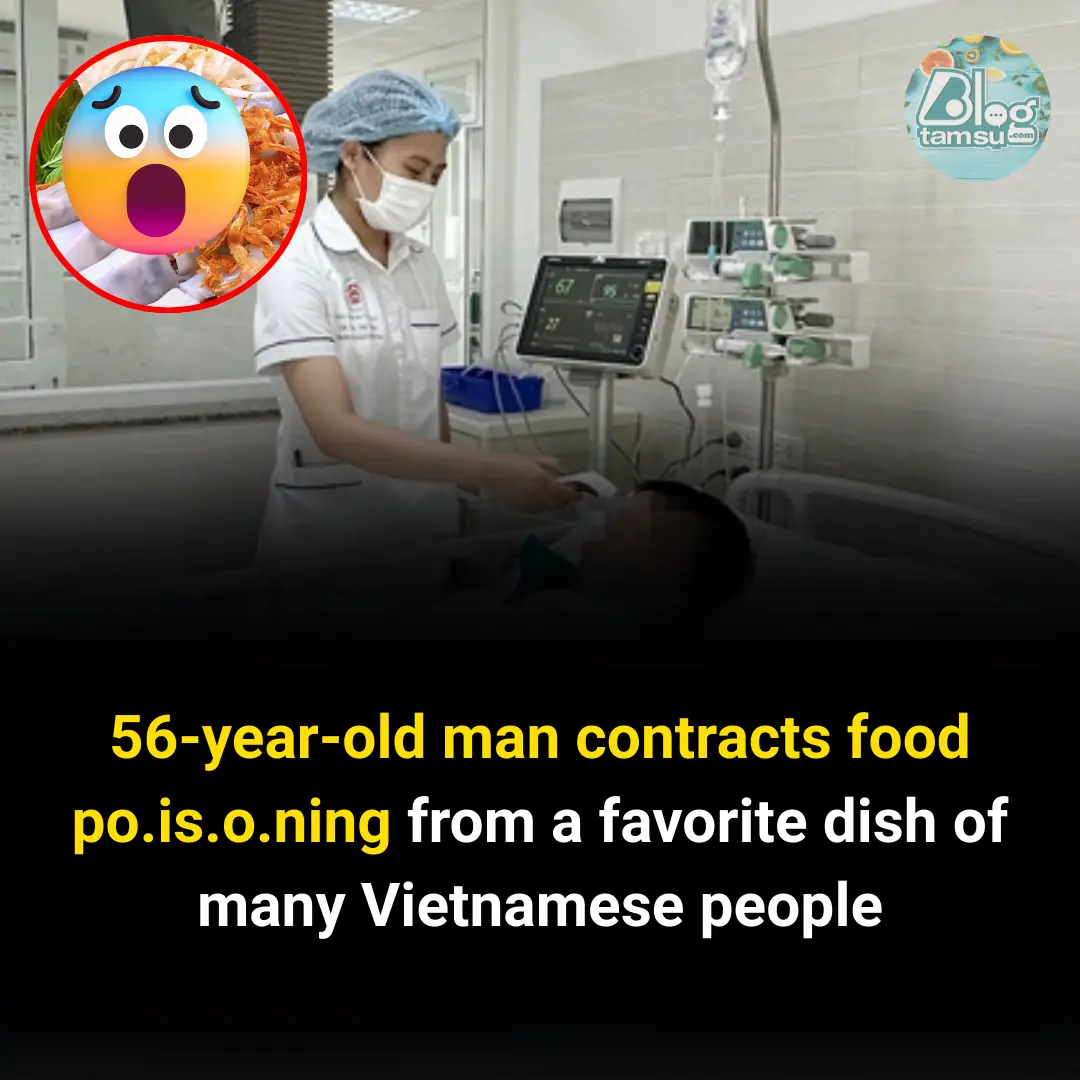
Foodborne Infection and Intoxication Caused by Steamed Rice Rolls
Recently, the Department of Infectious Intensive Care (National Institute of Infectious and Tropical Diseases, 108 Military Central Hospital, Hanoi) successfully treated a man who was admitted to the hospital due to foodborne infection and intoxication.
The patient, Mr. L.V (56 years old, from Hai Duong), was admitted with mild shortness of breath, rapid pulse, low blood pressure requiring vasopressor support, multiple episodes of watery diarrhea, and severe abdominal cramps.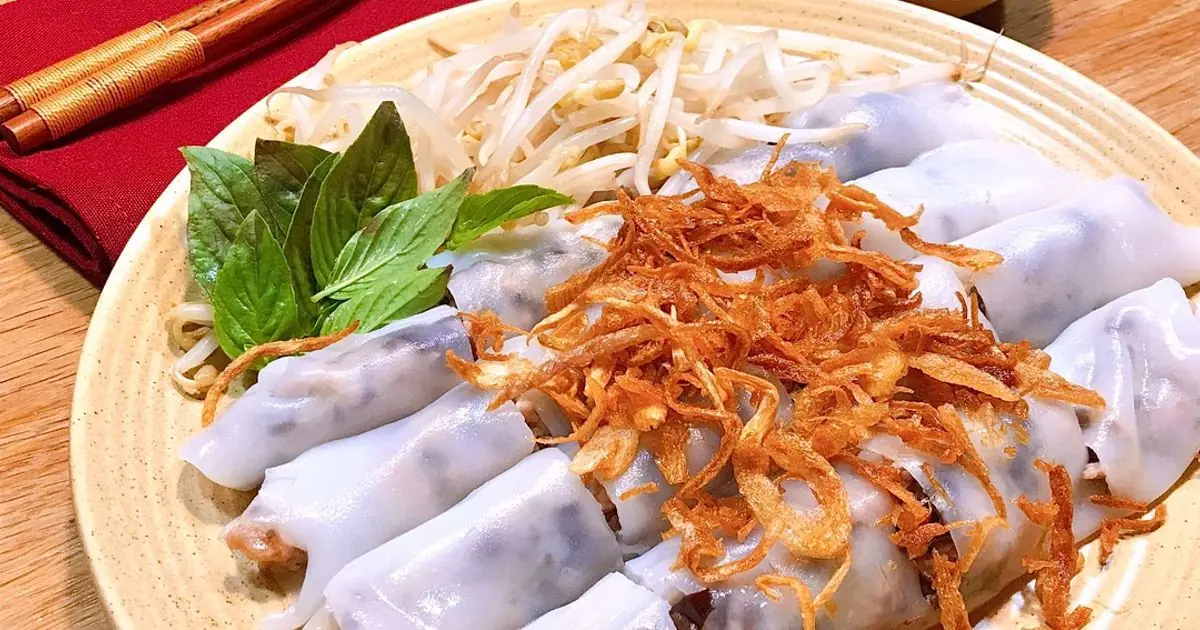
Earlier, the patient had eaten steamed rice rolls, after which he suddenly developed symptoms of nausea, repeated vomiting of food, persistent abdominal cramps, multiple episodes of watery diarrhea, mild fever, and chills.
Clinical examination and laboratory tests led doctors to diagnose him with foodborne infection and intoxication, complicated by septic shock (also known as gastrointestinal sepsis) and acute kidney injury.
The patient was resuscitated with anti-shock measures, antibiotics, electrolyte and acid-base balance correction, and nutritional support by the Department of Infectious Intensive Care. He was discharged after 5 days of treatment.
According to Dr. Nguyen Trong The (Head of the Department of Infectious Intensive Care, National Institute of Infectious and Tropical Diseases, 108 Military Central Hospital):
"Foodborne infection and intoxication, if underestimated, can present with very severe symptoms. In many cases, patients arrive late to the emergency department in multi-organ failure, which can be fatal. The pathogens enter the body through contaminated food and water, carrying harmful bacteria. Microorganisms, including bacteria and parasites from poorly hygienic foods, create favorable conditions for illness to occur."
What is Foodborne Infection and Intoxication?
Foodborne infection and intoxication is an acute infectious disease transmitted via the digestive tract. The main cause is microorganisms, primarily bacteria, contaminating food during handling, storage, preparation, or preservation.
Food poisoning usually occurs suddenly after consuming contaminated food. It is a dangerous and serious health condition that can be fatal if not treated promptly.
Common Causes of Foodborne Infection and Intoxication
-
Salmonella: symptoms include headache, dizziness, fever, nausea, and diarrhea.
-
Staphylococcus toxin: common in milk or undercooked poultry, causing dizziness, headache, rapid pulse, nausea, and diarrhea.
-
Clostridium botulinum toxin: found in spoiled fish and rotten food, can damage the central nervous system and medulla, leading to death.
-
Aflatoxin (fungal toxin): found in peanuts, soybeans, sunflower seeds, cashews, corn, or flour from moldy grains.
-
Hepatitis A virus: present in contaminated raw vegetables and shellfish such as clams, oysters, and mussels from polluted water.
-
Small liver flukes: present in raw fish salad, grilled fish, or undercooked snails.
-
Heavy metals: arsenic, lead, mercury, selenium in contaminated foods.
-
Pesticide residues.
-
Illegal or excessive use of food additives and preservatives.
Risk Factors Increasing Foodborne Infection and Intoxication
-
Seasonal weather changes.
-
Lack of clean water.
-
Poor sanitation conditions.
-
Environmental pollution.
-
Certain dietary customs.
-
Patient negligence.
Symptoms of Foodborne Infection and Intoxication
According to Dr. Nguyen Trong The, gastrointestinal infections usually appear 6–24 hours after eating contaminated food, including:
-
Loose stools or diarrhea, sometimes alternating with constipation.
-
Nausea, vomiting, abdominal pain, or bloating.
-
Loss of appetite.
-
Fever, fatigue, weakness.
-
Headache, dizziness.
-
Dehydration and electrolyte imbalance, with sweating.
Dangerous Complications of Foodborne Infection and Intoxication
-
Neurological disorders: headache, dizziness, blurred or double vision, slurred speech, paralysis, seizures.
-
Cardiovascular disorders: low blood pressure, arrhythmias, shortness of breath, chest pain.
-
Digestive dysfunction: bloody stools, severe abdominal pain, sore throat, chest pain.
-
Severe immune suppression: especially dangerous for children under 2, the elderly, malnourished patients, those on immunosuppressive drugs, or people with chronic conditions such as peptic ulcer, liver failure, or metabolic disorders.
First Aid and Management of Foodborne Infection and Intoxication
According to doctors from the Gastrointestinal Infection Department – 108 Military Central Hospital, immediate management at home includes:
-
Inducing vomiting: prompt measures to empty stomach contents to reduce toxin absorption.
-
Rehydration and electrolyte replacement: most crucial, especially in children with acute diarrhea. Because of their smaller body weight, children can quickly develop dehydration and circulatory collapse. Use oral rehydration solution (ORS) correctly—do not divide one packet into smaller doses. If unavailable, roasted rice water with salt may be used. Typically, 1–2 liters/day is required. Discard any prepared solution after 12 hours if not finished.
-
Avoid anti-diarrheal medications (such as loperamide, diphenoxylate): these slow intestinal contractions, delay toxin elimination, and worsen intoxication.
-
Seek immediate medical care: quickly bring the patient to the nearest healthcare facility for examination and treatment. Avoid self-medicating at home, as this can worsen the condition and risk septic shock and death.
How to Prevent Gastrointestinal Infections
-
Eat thoroughly cooked food and drink boiled water, avoiding contaminated water sources.
-
Avoid spoiled, expired, or unverified food.
-
Wash hands with soap regularly, especially before eating and after using the toilet.
-
Exercise regularly to boost immunity.