

What Not to Eat First Thing in the Morning: 5 Foods to Be Mindful Of
5 Foods That May Not Be the Best Choice First Thing in the Morning
Health 13/06/2026 15:48
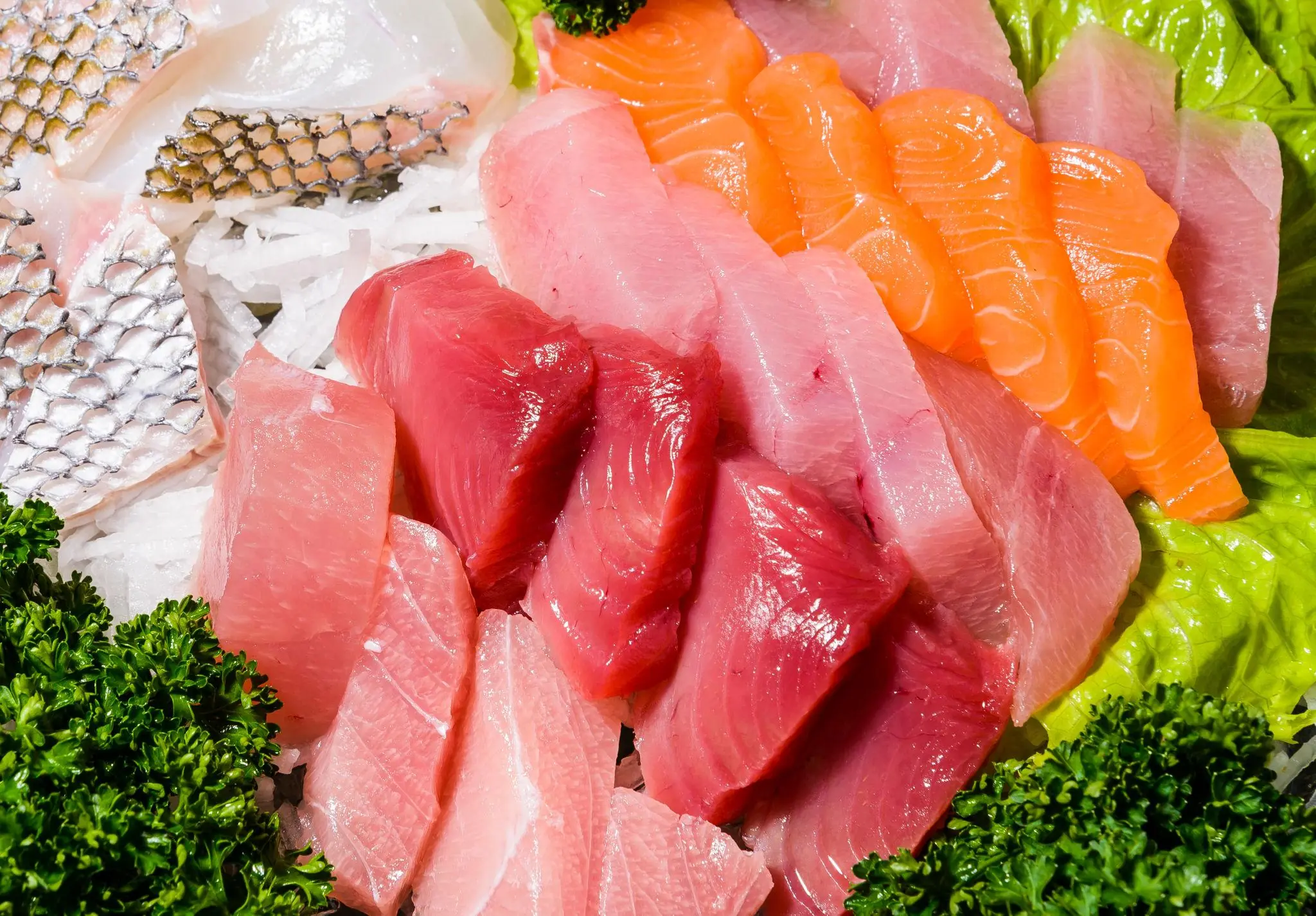
Fish has long been recognized as one of the healthiest foods that can be included in a balanced diet. Rich in high-quality protein, vitamins, minerals, and heart-healthy fats, fish provides a wide range of nutrients that support overall wellness.
Among the most valuable nutrients found in many fish species are omega-3 fatty acids. These essential fats have attracted significant scientific attention due to their role in supporting heart health, brain function, vision, and normal inflammatory responses within the body.
Because the human body cannot efficiently produce sufficient amounts of omega-3 fatty acids on its own, obtaining them through food is important. Fortunately, many types of fish are naturally rich in these beneficial fats.
Here are 6 fish that stand out for their impressive omega-3 content and overall nutritional value.
Omega-3 fatty acids are a group of essential polyunsaturated fats.
EPA (Eicosapentaenoic Acid)
DHA (Docosahexaenoic Acid)
ALA (Alpha-Linolenic Acid)
Fish primarily provide EPA and DHA, which are considered the most biologically active forms.
Research suggests omega-3 fatty acids may support:
Heart health
Brain function
Eye health
Healthy aging
Normal inflammatory processes
While omega-3s are not a cure for disease, they are an important component of a nutritious diet.
Salmon is often considered one of the best sources of omega-3 fatty acids.
In addition to omega-3s, salmon provides:
High-quality protein
Vitamin D
Vitamin B12
Selenium
Potassium
Salmon offers a favorable combination of nutrients while remaining relatively versatile in cooking.
Grilled
Baked
Steamed
Roasted
Added to salads
Its rich flavor makes it a favorite among seafood lovers.
Sardines may be small, but they are nutritional powerhouses.
They provide:
Omega-3 fatty acids
Calcium
Vitamin D
Vitamin B12
Protein
Because sardines are often eaten whole, they can contribute significant amounts of calcium.
Sardines are generally considered a sustainable seafood option.
Mackerel is another fish renowned for its omega-3 content.
EPA
DHA
Protein
Vitamin B12
Selenium
Mackerel has a rich, distinctive flavor and oily texture.
Grilled
Smoked
Baked
Pan-seared
Its nutrient density makes it a common recommendation among nutrition experts.
Herring has been consumed for centuries in many parts of the world.
It contains:
Omega-3 fatty acids
Vitamin D
Protein
Selenium
The combination of healthy fats and protein makes herring a nutrient-rich food choice.
Smoked
Pickled
Grilled
Anchovies are often overlooked because of their small size.
They are among the most nutrient-dense fish available.
Omega-3 fatty acids
Protein
Calcium
Iron
Selenium
Their concentrated nutrient profile allows a small serving to deliver substantial nutritional value.
Anchovies are commonly used in:
Salads
Pasta dishes
Sauces
Mediterranean cuisine
Tuna is one of the most widely consumed fish worldwide.
Protein
Omega-3 fatty acids
Vitamin B12
Niacin
Selenium
Tuna is:
Convenient
Versatile
Widely available
Fresh tuna
Frozen tuna
Canned tuna
Many households rely on tuna as an accessible source of seafood nutrition.
Many additional fish provide beneficial omega-3 fats.
Trout
Halibut
Sea bass
Cod
Arctic char
The amount varies between species.
Many health organizations recommend including fish in a balanced diet.
Approximately two servings of fish per week.
However, individual dietary needs may vary.
The way fish is prepared can affect its overall nutritional value.
Baking
Grilling
Steaming
Roasting
Deep frying may add significant amounts of fat and calories.
Simple preparation methods often preserve the fish's natural nutritional benefits.
One of the most researched areas involving omega-3s is cardiovascular health.
Blood lipid levels
Heart function
Blood vessel health
This is one reason fish frequently appears in heart-healthy dietary patterns.
The brain contains significant amounts of DHA.
How omega-3 intake may influence:
Cognitive function
Memory
Healthy aging
While research continues, omega-3s remain an important nutrient for brain health.
Many fish species provide substantial amounts.
Balance and variety remain important.
Omega-3 content varies considerably.
Overall lifestyle habits remain essential.
When purchasing fish, consider:
Freshness
Sustainability
Preparation method
Personal dietary needs
Variety helps maximize nutritional benefits.
Fish can be an excellent source of nutrition, but it works best as part of a balanced eating pattern.
Regular physical activity
Adequate sleep
Stress management
Balanced nutrition
Preventive healthcare
No single food determines health outcomes.
Salmon, sardines, mackerel, herring, anchovies, and tuna are among the richest natural sources of omega-3 fatty acids available. In addition to providing EPA and DHA, these fish supply high-quality protein, vitamins, minerals, and other nutrients that contribute to overall health and wellness.
Including a variety of omega-3-rich fish in a balanced diet may help support heart health, brain function, and healthy aging. While no food is a miracle solution, these nutrient-dense seafood options offer an excellent way to increase omega-3 intake while enjoying delicious and satisfying meals.
5 Foods That May Not Be the Best Choice First Thing in the Morning

Drinking Coffee Earlier in the Day May Be Linked to Better Heart Health and Longevity, According to Research

Nerve Pain in the Feet and Legs Explained: Effective Ways to Reduce Discomfort and Improve Mobility

6 Popular Cooking Oils Experts Recommend Limiting

A Simple Morning Food With Benefits That May Shock You 👇


One Clove a Day for 5 Months? The Outcome Shocked Even Medical Experts 😳

Frequent Gas May Be More Than Just a Minor Nuisance - Here Are Some Possible Reasons Why

Frequent Nighttime Bathroom Trips Could Be a Sign of an Underlying Health Issue

Doctors Say This Common Everyday Activity Could Lead to a Lump 👇

What Started as a Benign Growth Became a Life-Changing Medical Crisis

Your partner's habits may affect your health more than you realize.

Doctors say prevention begins at the dinner table.

💅👀 Tonight, Take a Good Look at Your Nails — Doctors Explain Why It Matters 👇

🩺 Doctors Warn: Recurring Leg Cramps at Night Could Point to an Underlying Problem

🌰🤔 Eating a Handful of Cashews Daily May Change More Than You Expect... See More 👇👇

One Simple Vegetable May Support Your Body in More Ways Than You Think

Don't Ignore These 5 Warning Signs That Show Up at Night
Hidden Parasites? These Common Foods Deserve a Second Look

You Eat These Vegetables Every Day—But Are You Cleaning Them Properly?

Can Your Feet Reveal Hidden Aspects of Your Character? A Look at the Popular Foot Personality Theory
5 Foods That May Not Be the Best Choice First Thing in the Morning
Drinking Coffee Earlier in the Day May Be Linked to Better Heart Health and Longevity, According to Research
Nerve Pain in the Feet and Legs Explained: Effective Ways to Reduce Discomfort and Improve Mobility
6 Popular Cooking Oils Experts Recommend Limiting
A Simple Morning Food With Benefits That May Shock You 👇
One Clove a Day for 5 Months? The Outcome Shocked Even Medical Experts 😳
Frequent Gas May Be More Than Just a Minor Nuisance - Here Are Some Possible Reasons Why
Frequent Nighttime Bathroom Trips Could Be a Sign of an Underlying Health Issue

This Popular Superfood Can Have Unexpected Effects If Overeaten 🥑👇
Doctors Say This Common Everyday Activity Could Lead to a Lump 👇
What Started as a Benign Growth Became a Life-Changing Medical Crisis

Marriage is often described as a partnership built on trust, communication, and mutual support. For some couples, that foundation grows stronger over time. For others, hidden secrets, unspoken frustrations, and emotional distance can slowly erode even the

The Secret Behind Shirt Buttons That Most People Never Notice
Your partner's habits may affect your health more than you realize.

Why Doctors Want Women to Stop Judging Their Health by Bra Size

Refrigerator Gasket Covered in Mold? Here's a Simple Cleaning Tip Worth Trying
Doctors say prevention begins at the dinner table.
💅👀 Tonight, Take a Good Look at Your Nails — Doctors Explain Why It Matters 👇