6 Types of Fish You Should Think Twice About Buying — Even If They’re Cheap


 6
6
Fish is widely praised as one of the healthiest protein sources you can eat. It’s rich in omega-3 fatty acids, high-quality protein, and essential nutrients that support heart and brain health.
But here’s the truth: not all fish is equally safe—especially when it comes to certain species, poor handling, or questionable sourcing. Some types of fish can carry higher levels of toxins, spoil easily, or pose risks if not prepared properly.
Below are 6 types of fish you should be cautious about, along with safer alternatives and practical buying tips.
⚠️ 1. Large Predatory Fish (High Mercury Risk)
Certain big fish accumulate higher levels of mercury because they sit at the top of the food chain.
Examples:
- Shark
- Swordfish
- King mackerel
- Some types of tuna
Mercury exposure over time can affect the nervous system, especially in children and pregnant women.
Better choices:
- Salmon
- Sardines
- Anchovies
⚠️ 2. Farmed Fish from Poor Conditions
Not all farmed fish are bad—but fish raised in overcrowded or poorly regulated farms may be exposed to antibiotics, pollutants, and lower-quality feed.
Concerns:
- Chemical residues
- Higher fat imbalance
- Environmental contamination
Better choices:
- Wild-caught fish (when available)
- Responsibly farmed fish with certifications
⚠️ 3. Fish with Strong Odor or Unclear Freshness
Fresh fish should never smell overly “fishy.” A strong odor is often a sign of spoilage.
Warning signs:
- Cloudy or sunken eyes
- Slimy texture
- Discolored gills
Eating spoiled fish can lead to food poisoning and serious digestive issues.
⚠️ 4. Improperly Frozen or Repeatedly Thawed Fish
Frozen fish is safe when handled properly, but repeated freezing and thawing can degrade quality and increase bacterial risk.
Watch out for:
- Excess ice crystals
- Dry or freezer-burned texture
- Broken packaging
Tip: Buy from trusted stores with good cold-chain practices.
⚠️ 5. Raw or Undercooked Fish (Parasite Risk)
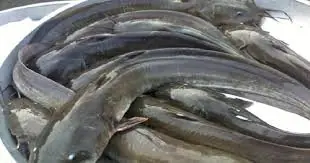
Raw fish dishes like sushi can be safe when prepared correctly—but improperly handled fish may contain parasites or harmful bacteria.
Risks:
- Foodborne infections
- Parasites like worms
Safer approach:
- Ensure sushi-grade quality
- Cook fish thoroughly when in doubt
⚠️ 6. Cheap Fish of Unknown Origin
If fish is unusually cheap, it may come from questionable sources with poor quality control.
Possible issues:
- Mislabeling of species
- Contamination from polluted waters
- Lack of safety inspection
Tip:
- Check labels and origin
- Buy from reputable sellers
✔️ How to Choose Safer Fish
To protect your health, keep these tips in mind:
- Look for clear eyes and firm flesh
- Avoid strong odors
- Check sourcing and certifications
- Store fish properly and cook it thoroughly
- Vary the types of fish you eat
🧾 The Bottom Line
Fish is still one of the best foods you can include in your diet—but quality matters more than price. Instead of avoiding fish altogether, focus on choosing fresh, well-sourced, and properly handled options.
Being informed helps you enjoy the benefits of fish without unnecessary risks.
📚 Sources
- Food and Drug Administration — Seafood safety and mercury guidelines
- Environmental Protection Agency — Mercury in fish recommendations
- World Health Organization — Food safety and contaminants
- Centers for Disease Control and Prevention — Foodborne illness and seafood risks
- National Oceanic and Atmospheric Administration — Seafood sourcing and sustainability