
Natural Bed Bug Solutions: How Diatomaceous Earth and Cloves Are Commonly Used
Struggling With Bed Bugs? Here's Why Some Homeowners Turn to This Simple Ingredient
Tips 30/05/2026 21:47
Rice looks simple, but getting it consistently fluffy, aromatic, and safe to eat is a small science. The difference between bland, clumpy rice and a fragrant, restaurant-quality bowl often comes down to technique - how you choose, rinse, cook, and store it. Below is a practical, no-nonsense guide you can apply daily, whether you’re cooking jasmine rice for a quick meal or brown rice for a healthier option.
Not all rice behaves the same. The grain length and starch content determine texture and flavor.
Match the rice to your dish. Stir-fries and grilled meats work best with fluffy long-grain rice, while sushi or rice bowls benefit from stickier textures.

Rinsing removes excess surface starch that causes clumping and dull flavor.
How to do it right:
Over-rinsing can strip away nutrients (especially in enriched rice), so keep it balanced.
Water ratio is the backbone of good rice.
Typical guidelines:
Too much water = mushy rice
Too little = undercooked, hard center
A simple hack: water should reach about one fingertip above the rice surface.
Plain rice doesn’t have to be boring.
Try:
These small tweaks elevate aroma without overpowering the dish.

Rice needs a stable cooking environment.
Basic method:
Avoid opening the lid too often—it releases steam and disrupts the cooking process.
After cooking, let rice sit (covered) for 5–10 minutes.
This allows moisture to redistribute evenly, preventing wet bottoms and dry tops.
Then fluff gently with a fork or rice paddle to separate grains.
Food safety starts before cooking.
Rice may seem low-risk, but improper handling can introduce bacteria early on.
Cooked rice can harbor bacteria like Bacillus cereus food poisoning if left out too long.
Rule:
This is one of the most overlooked but critical safety steps.
For leftovers:
Keeping rice sealed prevents moisture loss and contamination.

Improper reheating can ruin both taste and safety.
Best method:
Never reheat rice multiple times - it increases bacterial risk.
Cooking great rice is about control and consistency. From selecting the right grain to storing leftovers safely, each step contributes to both flavor and food safety.
If you lock in just three habits - correct water ratio, proper resting time, and safe storage—you’ll already be ahead of most people. Add a few flavor boosters, and your rice goes from basic to seriously satisfying.
Struggling With Bed Bugs? Here's Why Some Homeowners Turn to This Simple Ingredient

You might be surprised by the reason!

This Homemade Grout-Cleaning Trick May Help Lift Mold Without Heavy Scrubbing

7 Common Scents That May Help Keep Snakes Away From Your Home and Garden
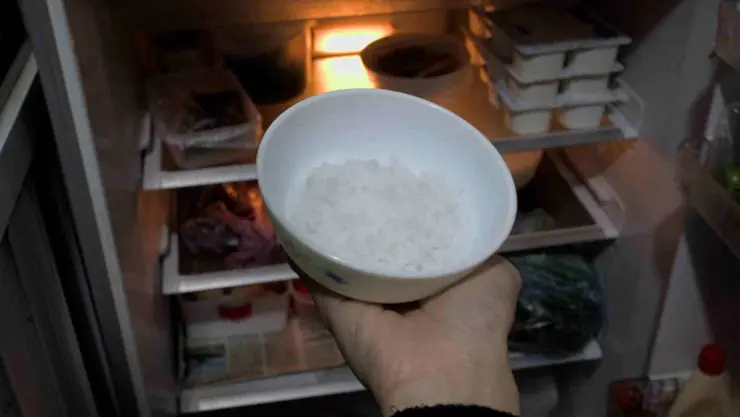
A Handful of Salt in the Fridge Could Help Solve Several Common Household Problems

Many People Boil Eggshells Instead of Discarding Them - Here's Why

The toilet lid — should it be closed or left open?

I took deli ham out of the fridge and noticed an iridescent, rainbow-like sheen on the slices. Is that normal?
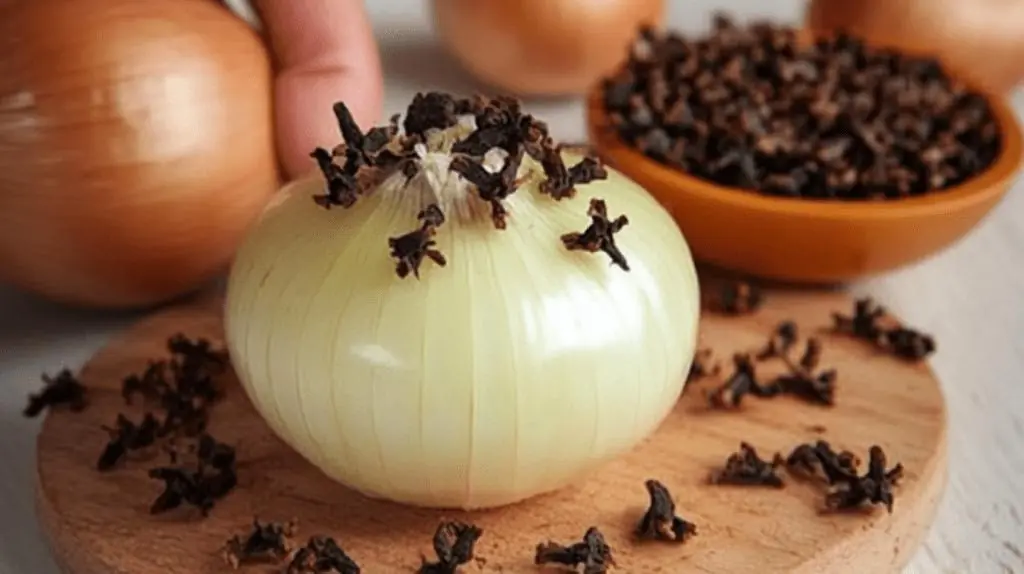
The Unexpected Reason Many People Put Cloves Into an Onion

👗 The dress you choose first may reveal something unexpected about your personality…
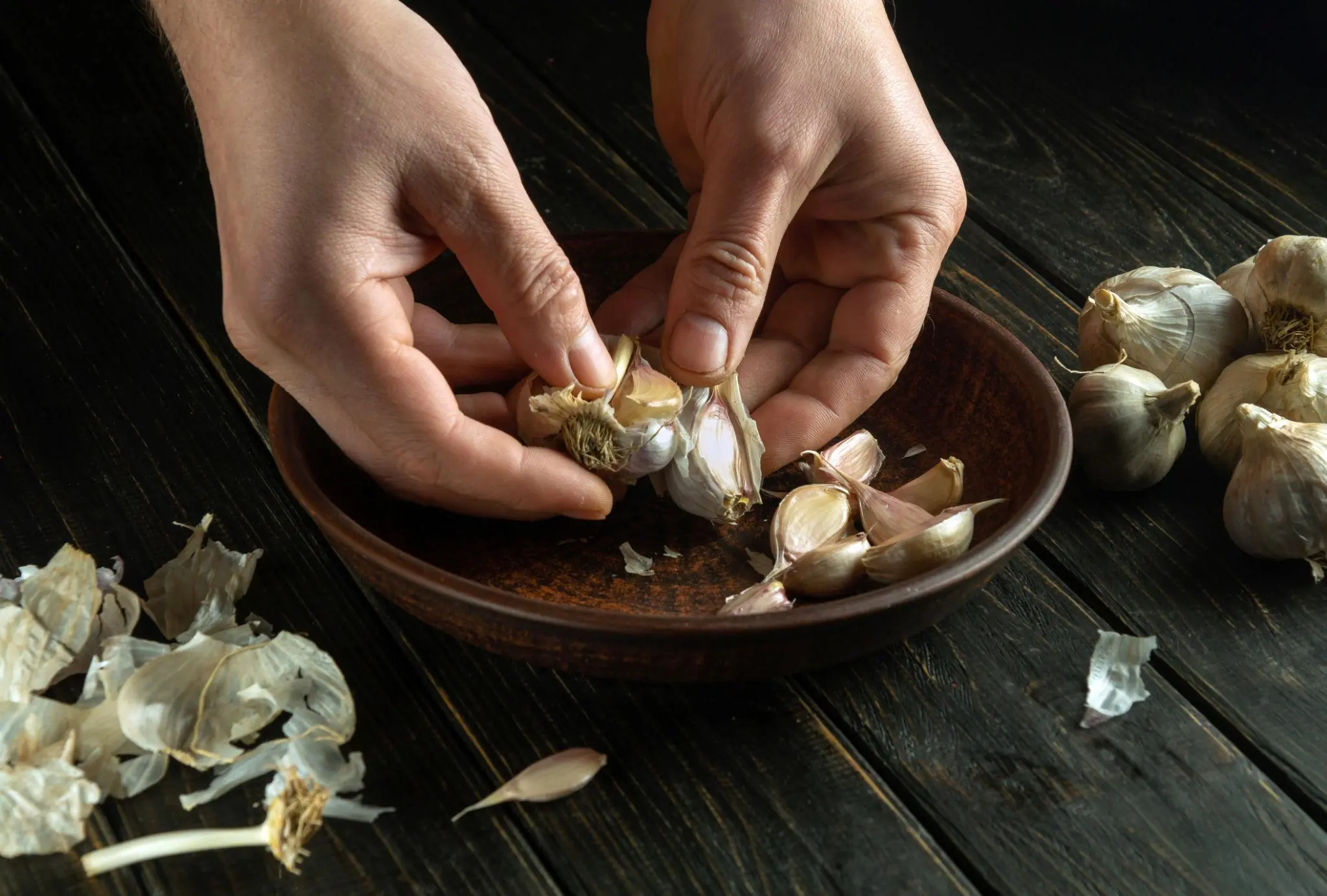
These Simple Methods May Help Remove Stubborn Garlic Smell From Your Hands





The real reason ear hair becomes more noticeable with age may surprise many people
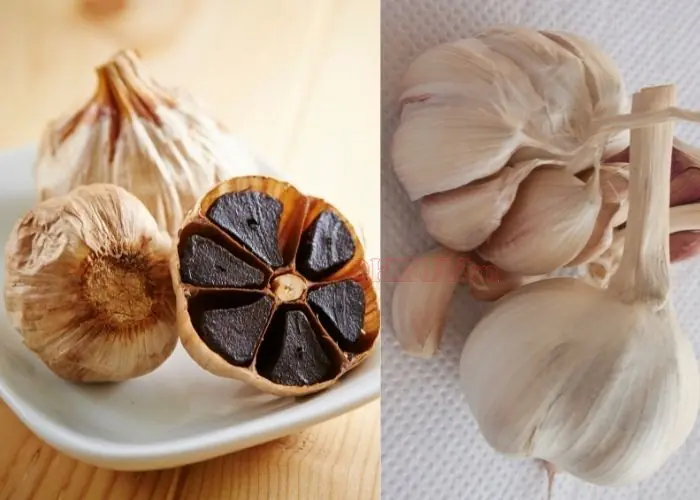
Black Garlic and Regular Garlic: Understanding the Key Nutritional Differences

Why do many people hang a damp towel on a door handle?



Don't Ignore These 5 Subtle Changes That Could Be Linked to Kidney Health
Struggling With Bed Bugs? Here's Why Some Homeowners Turn to This Simple Ingredient

How Often Should Seniors Shower? The Answer May Surprise You

Not out of love, but sleeping separately to save each other's lives

Staying Hydrated Doesn't Have to Be Difficult - Here's How to Reach Your Daily Water Goal

10 War.ning Signs Your Dig.est.ive System May Be in Trouble
You might be surprised by the reason!

Age is one of many factors that increase the ris.k of c.anc.er.

If your body shows all five of the signs below when you wake up, congratulations
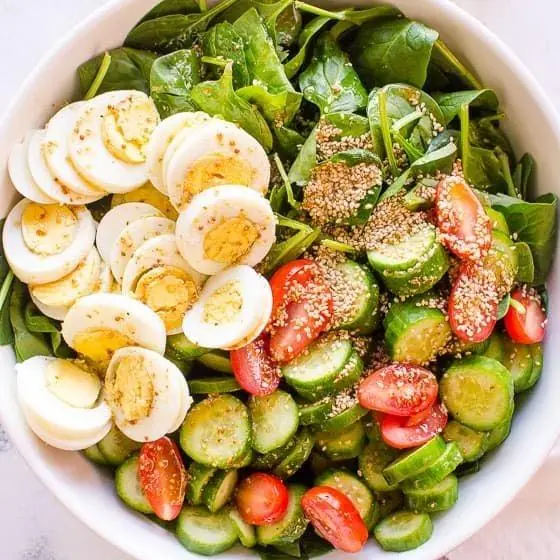
4 best vegetables to help prevent can.cer:

Don't Ignore These Painful Skin Changes - They May Signal Shingles
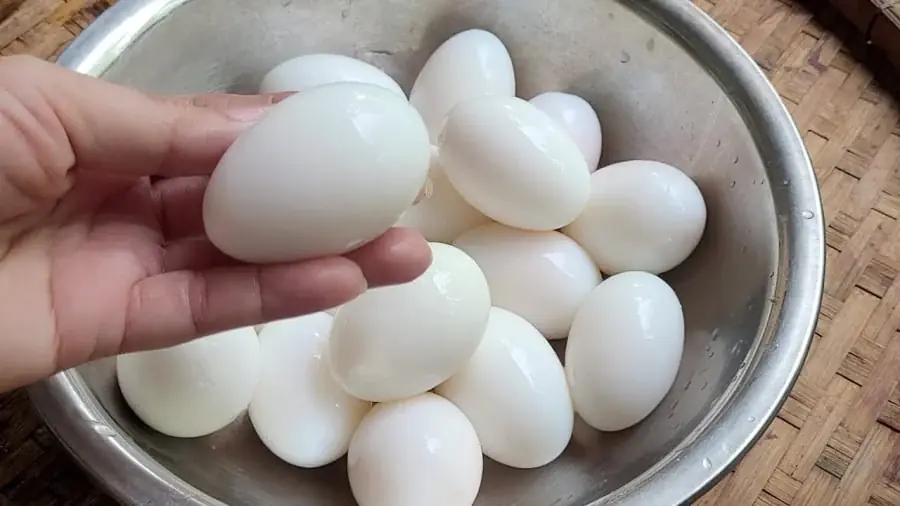
13 Potential Benefits of Eating Boiled Eggs for Breakfast

These Tiny White Facial Bumps Are Often Misidentified And Picking at Them Can Make Things Worse

Many Women Overlook These 7 Potential Stroke Symptoms Until It's Too Late

The Color of Your Stool Can Sometimes Provide Valuable Insights Into Your Health

This Traditional “Stone Breaker” Herbal Tea Is Gaining Attention - Here's Why

This Math Challenge Looks Easy, But Most People Get Different Answers

What Science Says About This Herbal Drink and Its Potential Role in Supporting Healthy Eyes?
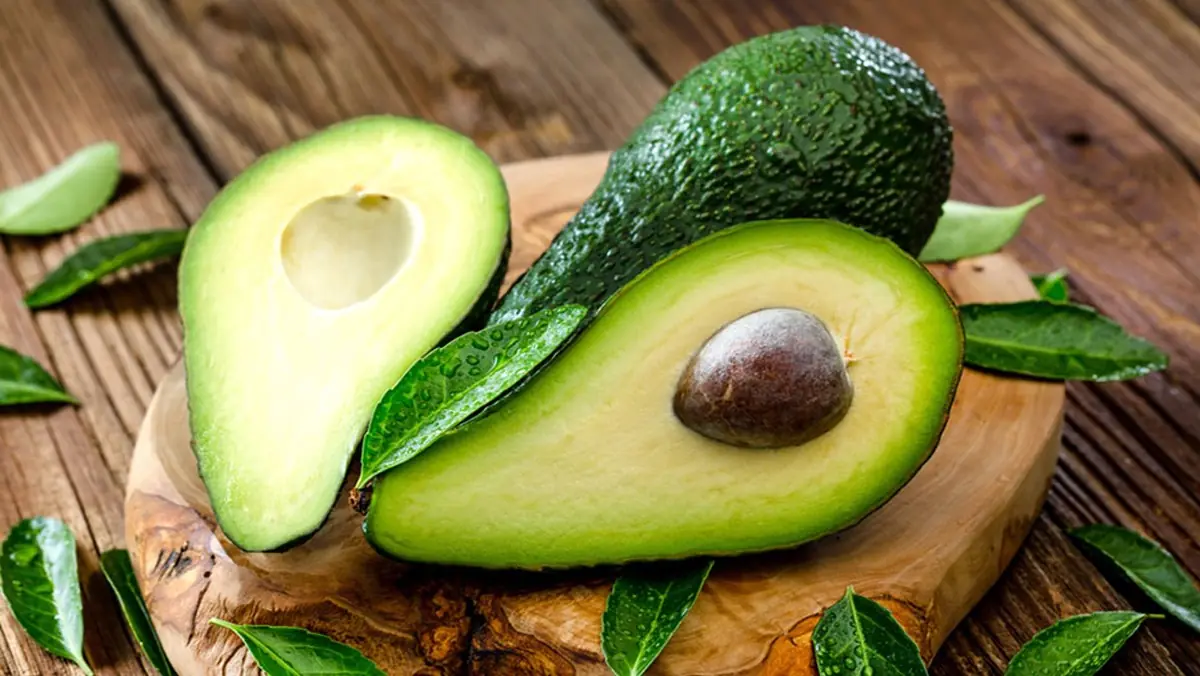
Before You Eat Avocados Every Day, Here's What Experts Want You to Know
This Homemade Grout-Cleaning Trick May Help Lift Mold Without Heavy Scrubbing