
A small round hole at the end of the nail clip
Health 29/04/2026 20:19
While some discomforts are minor and temporary, certain types of pain can be early signs of serious health conditions, including chronic diseases or life-threatening illnesses. Ignoring these warning signs can delay diagnosis and treatment, potentially leading to serious complications. Understanding which types of pain require immediate attention is crucial for maintaining your health.
Here, we explore six types of pain that should never be ignored, what they might indicate, and when to seek medical advice.

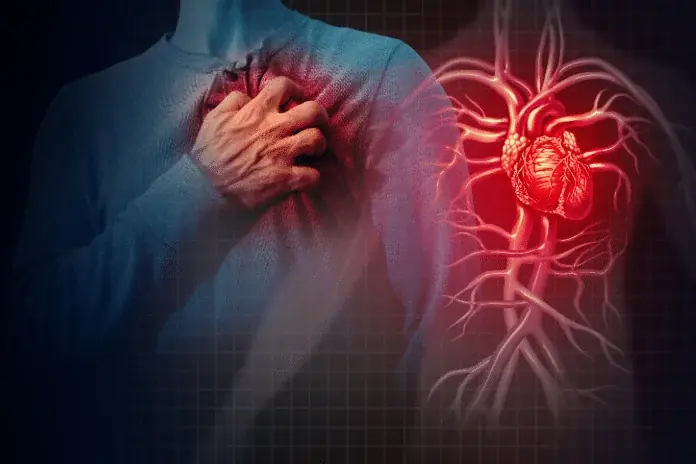
Chest pain is often associated with heart-related conditions, which can be life-threatening if not addressed promptly.
Heart Attack (Myocardial Infarction): Severe chest pressure, tightness, or a burning sensation, often accompanied by shortness of breath, sweating, nausea, or pain radiating to the arm, neck, or jaw.
Angina: Chest discomfort due to reduced blood flow to the heart. It may occur during physical exertion or emotional stress.
Pulmonary Embolism: A blood clot in the lungs can cause sudden chest pain, often sharp and worsening with deep breaths.
If chest pain is severe, sudden, or accompanied by other symptoms like dizziness or shortness of breath, call emergency services immediately. Quick treatment can save lives.
While headaches are common, sudden and intense headaches could signal serious neurological problems.
Stroke: A sudden, severe headache may occur along with vision changes, numbness, or weakness on one side of the body.
Brain Aneurysm: A “thunderclap” headache—intense and abrupt—can indicate a ruptured aneurysm.
Meningitis: Headache with stiff neck, fever, and sensitivity to light could signal an infection of the meninges.
Seek immediate medical attention for sudden, intense headaches, especially if accompanied by neurological symptoms.
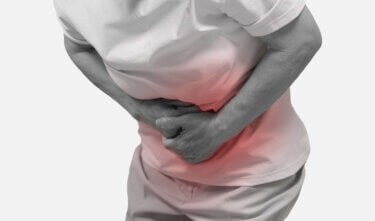
Abdominal pain is a frequent complaint, but persistent or severe pain in the abdomen should never be ignored.
Appendicitis: Sharp pain in the lower right abdomen that worsens over time, often with nausea, vomiting, and fever.
Gallstones or Gallbladder Issues: Pain in the upper right abdomen, especially after meals.
Pancreatitis or Stomach Ulcers: Persistent upper abdominal pain may indicate inflammation of the pancreas or stomach lining.
Colon or Ovarian Cancer: Chronic abdominal discomfort or bloating can be an early sign.
Persistent, severe, or worsening abdominal pain should prompt a medical evaluation to determine the underlying cause.
Not all leg or joint pain is minor; some could indicate serious internal issues.
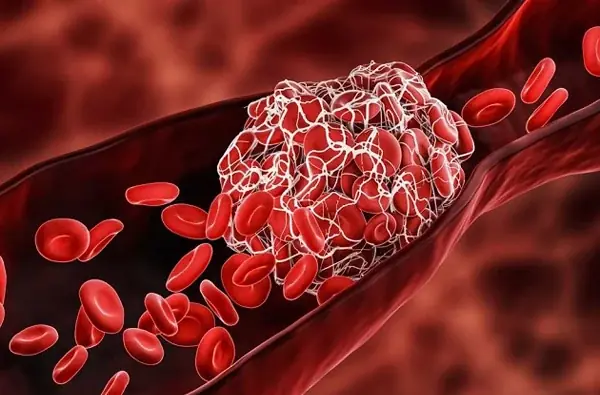
Deep Vein Thrombosis (DVT): Swelling, redness, and pain in one leg can indicate a blood clot. DVT can lead to a pulmonary embolism if untreated.
Osteoarthritis or Rheumatoid Arthritis: Chronic joint pain with stiffness and swelling may signal joint degeneration or autoimmune disorders.
Bone Cancer: Persistent leg or bone pain that doesn’t improve with rest should be evaluated.
Seek medical advice if pain is sudden, unilateral, severe, or associated with swelling, as early detection can prevent serious complications.
While many people experience occasional back pain, certain types are red flags.
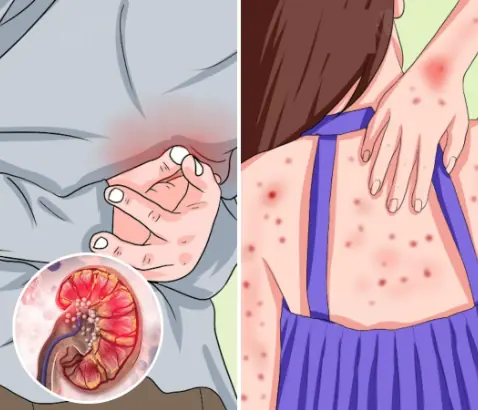
Kidney Stones or Infection: Sharp, localized back pain may signal kidney issues, sometimes accompanied by urinary problems or fever.
Spinal Problems: Herniated discs or spinal stenosis can cause radiating pain, numbness, or weakness in the limbs.
Cancer: Persistent back pain that does not improve with rest or is worse at night could be an early symptom of cancer in the spine or nearby organs.
If back pain is severe, persistent, or associated with neurological symptoms such as weakness, numbness, or loss of bladder control, consult a doctor immediately.
Pain that appears without clear cause - especially if it is chronic, worsening, or interfering with daily life - should never be dismissed.
Cancer: Pain can be an early or late symptom depending on tumor location.
Autoimmune Disorders: Diseases like lupus or multiple sclerosis can cause joint, muscle, or nerve pain.
Infections: Chronic pain can be a sign of underlying infections, including bone infections or systemic infections.
Keep a pain diary noting duration, intensity, location, and triggers. Bring this information to a healthcare professional for proper evaluation.
Do not self-diagnose: Pain can have many causes. Always consult a healthcare professional.
Track symptoms: Record the onset, frequency, intensity, and any triggers.
Combine with other signs: Fatigue, weight loss, fever, swelling, or changes in skin can indicate a more serious condition.
Pain is your body’s early warning system, and certain types of pain can indicate serious health problems, including life-threatening conditions. The six types of pain you should never ignore include:
1. Persistent chest pain
2. Sudden, severe headache
3. Abdominal pain
4. Leg or joint pain that is unusual
5. Persistent back pain
6. Unexplained pain anywhere in the body
Being attentive to these warning signs and seeking prompt medical evaluation can save lives. Never ignore persistent or severe pain, as early detection of serious diseases significantly improves outcomes and quality of life.
While certain types of pain may be associated with serious health conditions, there are several lifestyle changes and preventive measures you can take to reduce your risk and promote overall well-being. Prevention is key when it comes to maintaining a healthy body and minimizing pain. Here are some important strategies to help avoid the underlying causes of severe pain:
Chest pain, often associated with heart issues such as heart attacks or angina, can be prevented by taking care of your cardiovascular health.
Exercise regularly: Physical activity helps improve heart health by lowering blood pressure, cholesterol, and reducing the risk of heart disease. Aim for at least 30 minutes of moderate exercise most days of the week.
Eat a heart-healthy diet: Focus on a diet rich in fruits, vegetables, whole grains, lean proteins, and healthy fats. Reduce your intake of sodium, sugar, and processed foods.
Don’t smoke: Smoking is a major risk factor for heart disease. Quitting smoking can significantly reduce your risk of heart attack and stroke.
Monitor your blood pressure and cholesterol levels: Regularly check your blood pressure and cholesterol levels, as high blood pressure and high cholesterol increase the risk of heart disease.
Manage stress: Chronic stress can negatively impact your heart health. Practicing relaxation techniques like yoga, meditation, or deep breathing can help reduce stress levels.
Severe headaches and migraines can be debilitating, but lifestyle changes can help prevent their occurrence or reduce their frequency.
Identify triggers: Certain foods, lack of sleep, dehydration, or stress can trigger migraines. Keeping a headache diary can help identify triggers and allow you to avoid them.
Stay hydrated: Dehydration is a common headache trigger. Drinking enough water throughout the day can help keep headaches at bay.
Practice good posture: Poor posture can contribute to tension headaches. Be mindful of your posture when sitting or working at a desk, and take frequent breaks to stretch.
Limit screen time: Extended exposure to screens can strain your eyes and cause headaches. Ensure you take regular breaks if you’re working on a computer or using a smartphone.
Unexplained abdominal pain can stem from digestive issues, such as gastritis, gallstones, or irritable bowel syndrome. Taking steps to improve digestive health can reduce the risk of digestive-related pain.
Eat a balanced diet: A diet rich in fiber from fruits, vegetables, and whole grains can improve digestion and prevent issues like constipation and bloating.
Avoid overeating: Eating large meals can lead to indigestion and bloating. Try eating smaller, more frequent meals throughout the day.
Limit fatty and spicy foods: Fatty and spicy foods can irritate the stomach lining and cause indigestion or heartburn.
Stay active: Regular physical activity helps keep your digestive system moving and prevents constipation.
Manage stress: Stress can contribute to digestive issues like irritable bowel syndrome (IBS). Practice stress management techniques to help reduce the impact on your digestive health.
Joint pain and leg pain can be caused by conditions like arthritis or musculoskeletal injuries. Maintaining strong bones and joints through proper care can help reduce the risk of these painful conditions.
Exercise regularly: Weight-bearing exercises like walking, running, or strength training can help maintain bone density and improve joint flexibility.
Eat bone-healthy foods: A diet rich in calcium, vitamin D, and magnesium is essential for strong bones. Foods like dairy, leafy greens, fish, and fortified cereals can help support bone health.
Maintain a healthy weight: Excess weight puts added pressure on your joints, especially in the knees and hips. Achieving and maintaining a healthy weight can prevent excessive stress on your joints.
Use proper techniques: If you lift heavy objects or engage in strenuous activity, be mindful of your posture and use the correct techniques to avoid strain on your joints.
Back pain is one of the most common complaints among adults, often caused by poor posture or muscle strain. Developing good posture habits can help prevent back pain and spinal issues.
Maintain good posture: When standing, keep your shoulders back, and ensure your ears are aligned with your shoulders. When sitting, use a chair that supports your lower back and keep your feet flat on the floor.
Strengthen your core: Strong abdominal muscles can help support your back and prevent strain. Incorporate core-strengthening exercises, like planks or bridges, into your routine.
Avoid sitting for long periods: If you work at a desk, take breaks every hour to stand, stretch, and walk around to prevent stiffness and tension in your back.
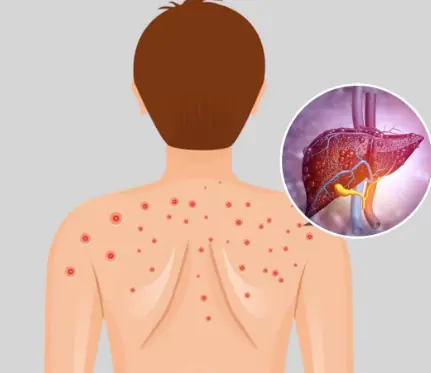
Skin pain or changes, such as rashes, bumps, or irritation, could signal an underlying infection, and preventive care can help avoid these issues.
Practice good hygiene: Regularly washing your hands and body helps prevent bacterial or viral infections that can cause skin irritation or infections.
Use sunscreen: Protect your skin from harmful UV rays that can lead to skin damage, premature aging, and skin cancer. Apply broad-spectrum SPF 30+ sunscreen when spending time outdoors.
Avoid harsh chemicals: Use gentle, non-irritating skin care products, especially if you have sensitive skin. Avoid harsh scrubs and products with excessive alcohol content.
Hydrate your skin: Keep your skin moisturized, particularly in cold or dry weather, to prevent dryness and cracking.
While many types of pain may seem minor at first, taking proactive steps to prevent them can greatly improve your quality of life and reduce the risk of more serious health issues. Regular exercise, a healthy diet, stress management, and proper medical care are key components in preventing chronic pain and maintaining a healthy body.
If you experience persistent or severe pain, it’s important to consult a healthcare professional for an accurate diagnosis and appropriate treatment. Prevention is the best form of defense, and with the right habits, you can enjoy a pain-free life for many years to come.





It doesn’t start in the chest—watch your legs and feet
Before a stroke happens, your body gives these clues

Hidden sugars in daily drinks may quietly raise your diabetes risk.

Why guava leaf tea is beneficial: 7 amazing health effects

Begin your day with cucumber water and see how it may benefit your body

Why avocados are beneficial for your health: 15 key benefits to know

3 groups that should be cautious with banana consumption and key precautions

Doctors highlight the potential side effects of eating broccoli in excess

How chestnuts may affect your health, explained by a medical expert

When your hands appear like this, don’t assume it’s only dryness - it might be a warning sign




It doesn’t start in the chest—watch your legs and feet
Before a stroke happens, your body gives these clues