Broccoli is widely praised as a “superfood” - rich in fiber, vitamins, minerals, and plant compounds that support overall health. It’s often recommended for heart health, digestion, and even cancer prevention.
But here’s the nuance many people overlook: even healthy foods can have downsides when consumed in excessive amounts. Broccoli is no exception.
So what actually happens when you eat too much broccoli? Let’s break it down in a balanced, science-based way.
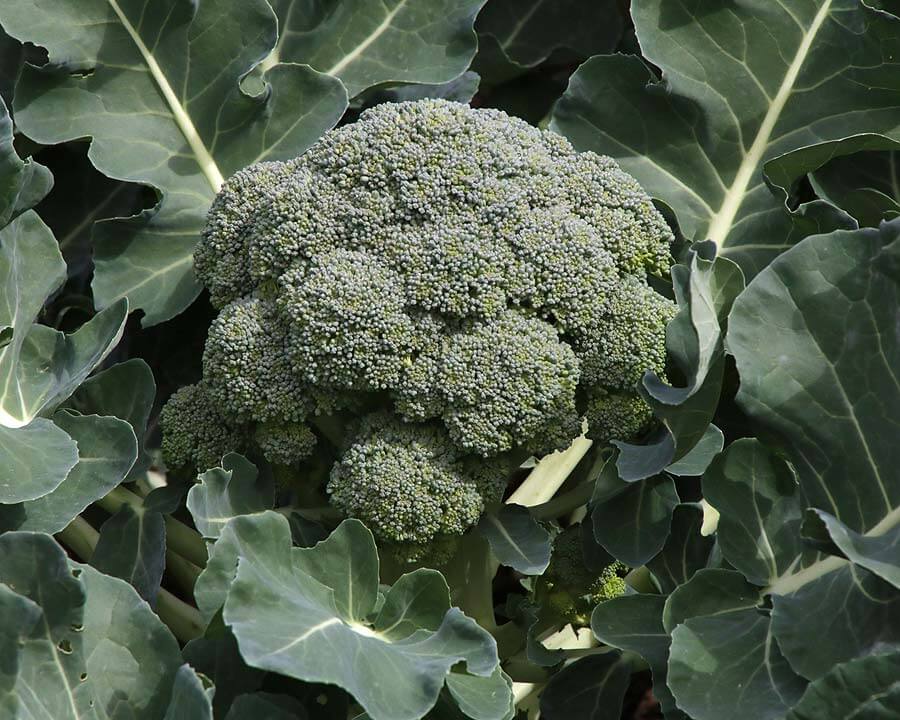
🥦 Why Broccoli Is So Healthy in the First Place
Before discussing the risks, it’s important to understand why broccoli is considered so beneficial.
Broccoli is rich in:
- Vitamin C and vitamin K
- Fiber for digestive health
- Antioxidants like sulforaphane
- Folate and potassium
These nutrients support immunity, reduce inflammation, and promote long-term health.
⚠️ When “Too Much of a Good Thing” Becomes a Problem
Eating broccoli occasionally or even regularly is not an issue. The concern arises when consumption becomes excessive—large quantities every day over long periods.
Here are some of the potential effects.
🌬️ 1. Digestive Discomfort and Bloating
Broccoli contains complex carbohydrates and fiber that are fermented by gut bacteria.
What happens:
- Increased gas production
- Bloating and abdominal discomfort
- Feeling overly full
For people with sensitive digestion, this can become quite uncomfortable.
🦋 2. Potential Impact on Thyroid Function
Broccoli belongs to a group of vegetables called cruciferous vegetables, which contain compounds known as goitrogens.
In very high amounts:
- These compounds may interfere with iodine uptake
- This can affect thyroid hormone production
This is mainly a concern for individuals with existing thyroid issues or iodine deficiency—not for the average person eating moderate amounts.
🩸 3. Interaction with Blood-Thinning Medications
Broccoli is high in vitamin K, which plays a key role in blood clotting.
Why this matters:
- High and inconsistent intake can interfere with medications like anticoagulants
- It may affect how blood-thinning drugs work
Consistency not elimination is key for those on such medications.

⚖️ 4. Overloading Fiber Intake
While fiber is beneficial, too much at once can overwhelm the digestive system.
Possible effects:
- Constipation or diarrhea
- Nutrient absorption issues
- General digestive imbalance
Balance is essential.
🧪 5. Potential Nutrient Imbalance
Relying too heavily on one food—even a healthy one—can crowd out dietary variety.
Your body needs a wide range of nutrients, and overconsumption of broccoli may mean:
- Less intake of other important food groups
- Reduced dietary diversity
🧠 What Doctors Actually Mean by “Excessive”
This is where many misunderstandings happen.
Doctors are not saying broccoli is harmful. They’re emphasizing:
- Moderation
- Balance
- Individual health conditions
For most people, eating broccoli several times a week is perfectly safe—and beneficial.
Problems typically arise only when:
- Very large portions are consumed daily
- Diet lacks variety
- Underlying health conditions exist
🛡️ How to Eat Broccoli the Right Way
To maximize benefits while avoiding downsides:
- Eat broccoli as part of a varied diet
- Combine it with other vegetables and protein sources
- Cook it lightly (steaming reduces some compounds that may cause discomfort)
- Listen to your body - adjust intake if you feel bloated
💡 Final Thoughts
Broccoli is undeniably one of the healthiest foods you can eat - but it’s not meant to be eaten in excess every day without balance.
The real takeaway isn’t to avoid broccoli - it’s to understand that even the healthiest foods work best when they’re part of a diverse, balanced diet.
Your body doesn’t need extremes. It needs consistency, variety, and moderation.
And sometimes, the difference between “healthy” and “too much” is simply how often and how much you eat.