7 Early Signs of Nasopharyngeal Cancer You Should Never Ignore
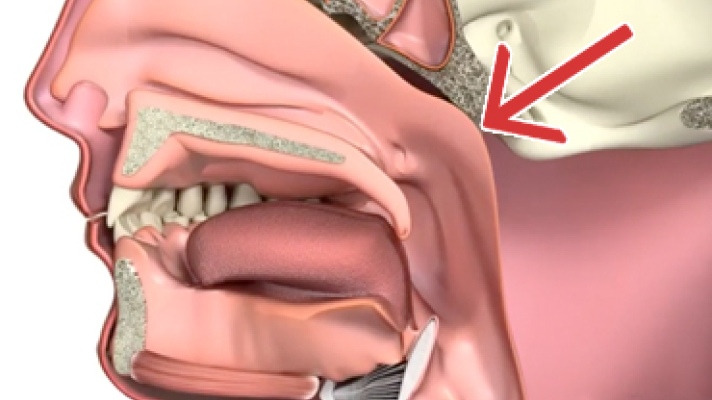
Nasopharyngeal cancer is a type of cancer that develops in the nasopharynx—the upper part of the throat behind the nose. It is relatively rare, but it can be serious if not detected early. One of the challenges is that early symptoms often resemble common conditions like colds or sinus infections, which can delay diagnosis.
Recognizing warning signs early can make a significant difference in treatment outcomes.
1. Persistent nasal congestion
A blocked or stuffy nose that does not improve over time, especially if it affects only one side, can be an early warning sign. It is often mistaken for allergies or sinusitis.
2. Frequent nosebleeds
Occasional nosebleeds are common, but repeated or unexplained bleeding from the nose should not be ignored, particularly if it occurs alongside other symptoms.
3. Hearing problems in one ear
Fluid buildup or pressure caused by a tumor can lead to hearing loss, ringing in the ear (tinnitus), or a feeling of fullness—usually on one side.
4. Lump in the neck
One of the most common signs is a painless lump in the neck. This may indicate that the cancer has spread to nearby lymph nodes.
5. Headaches

Persistent headaches that do not respond to usual treatment may be linked to pressure caused by tumor growth in the nasopharynx.
6. Facial numbness or pain
Some people may experience numbness, tingling, or pain in parts of the face due to nerve involvement.
7. Sore throat or voice changes
A long-lasting sore throat, difficulty speaking clearly, or changes in voice may also be warning signs, especially when combined with other symptoms.
Why early detection matters
Nasopharyngeal cancer is often harder to treat in later stages. According to cancer specialists, early diagnosis significantly improves treatment success and survival rates. That’s why persistent or unusual symptoms should always be evaluated by a healthcare professional.
When to see a doctor
You should seek medical advice if you experience:
- Symptoms lasting more than 2–3 weeks
- A combination of the signs listed above
- Worsening or unexplained changes in hearing, breathing, or neck swelling
Conclusion
While these symptoms do not always mean cancer, they should never be ignored if they persist. Early medical evaluation is key to ruling out serious conditions and ensuring timely treatment if needed.
Sources
- World Health Organization (WHO) – Head and neck cancers overview
- Mayo Clinic – Nasopharyngeal carcinoma symptoms and causes
- National Health Service (NHS, UK) – Nasopharyngeal cancer information
- American Cancer Society – Signs and diagnosis of nasopharyngeal cancer