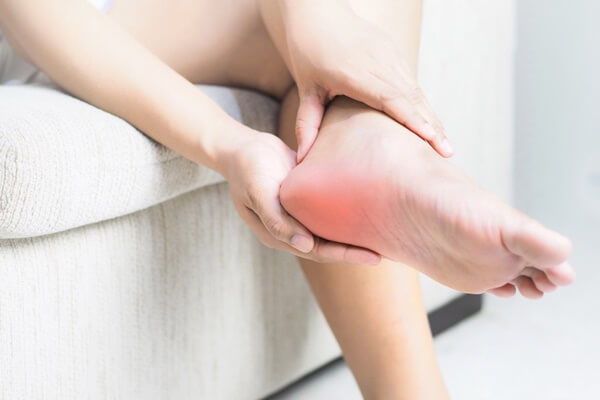
Heel pain is one of those symptoms many people brush off—until it starts affecting every step. If you’ve ever felt a sharp, stabbing pain in your heel when you first get out of bed, or discomfort after standing for long periods, your body isn’t just “being tired.” It’s signaling that something deeper may be going on.
Understanding what’s behind this pain is the first step toward fixing it before it becomes a chronic issue.
⚠️ Why Heel Pain Happens
Your heel absorbs a huge amount of pressure every day. Whether you’re walking, running, or simply standing, the structures in your foot especially the plantar fascia (a thick band of tissue connecting your heel to your toes) - are constantly under stress.
When this tissue becomes irritated or inflamed, pain begins to appear.

🔍 The Most Common Cause: Plantar Fasciitis
The leading cause of heel pain is a condition called plantar fasciitis.
This happens when:
- The plantar fascia becomes overstretched or overused
- Tiny tears develop in the tissue
- Inflammation builds up over time
Key sign:
- Sharp pain with the first steps in the morning
- Pain that improves slightly with movement but returns after rest
Why mornings? While you sleep, the plantar fascia tightens. When you stand up, it suddenly stretches again—triggering pain.
🦶 Other Possible Causes You Shouldn’t Ignore
1. Heel Spurs
Calcium deposits can build up on the underside of the heel bone, forming a bony growth. While not always painful, they often occur alongside plantar fasciitis and can worsen discomfort.
2. Achilles Tendinitis
Pain at the back of the heel may indicate inflammation of the Achilles tendon. This is common in people who:
- Stand or walk a lot
- Suddenly increase physical activity
- Wear unsupportive footwear
3. Flat Feet or High Arches
Foot structure plays a big role. Both flat feet and overly high arches can place abnormal stress on the plantar fascia, increasing the risk of heel pain.
4. Prolonged Standing or Poor Footwear
Standing for long hours—especially on hard surfaces—can overload your feet. Shoes without proper arch support or cushioning make the situation worse.
5. Excess Body Weight
More weight means more pressure on your heels. Over time, this increases strain on the foot structures and can lead to inflammation.
🚨 When Should You Be Concerned?
Occasional heel pain isn’t unusual. But you should pay attention if:
- The pain lasts for weeks
- It becomes more intense over time
- It interferes with walking or daily activities
- You feel stiffness or limited mobility
Ignoring it can turn a mild issue into a long-term condition that’s harder to treat.
🛠️ What Your Body Is Trying to Tell You
Heel pain is not random. It’s often your body’s way of saying:
- You’re putting too much strain on your feet
- Your footwear isn’t supporting you properly
- Your muscles and tendons are too tight
- Your recovery time isn’t enough
In short: your body is asking you to slow down, adjust, and take care of your foundation—your feet.
🛡️ How to Relieve and Prevent Heel Pain
1. Stretch Your Feet and Calves
Simple stretches can reduce tension in the plantar fascia and improve flexibility.
2. Wear Proper Footwear
Choose shoes with:
- Good arch support
- Cushioned soles
- Proper fit
Avoid walking barefoot on hard surfaces for long periods.
3. Rest and Ice
If pain appears, reduce activity and apply ice to the heel for 15–20 minutes to reduce inflammation.
4. Use Orthotic Inserts
Custom or over-the-counter insoles can provide additional support and reduce pressure on the heel.
5. Maintain a Healthy Weight
Reducing excess weight can significantly decrease the load on your feet.
6. Strengthen Foot Muscles
Exercises that strengthen the foot and lower leg can improve stability and reduce injury risk.
💡 Final Thoughts
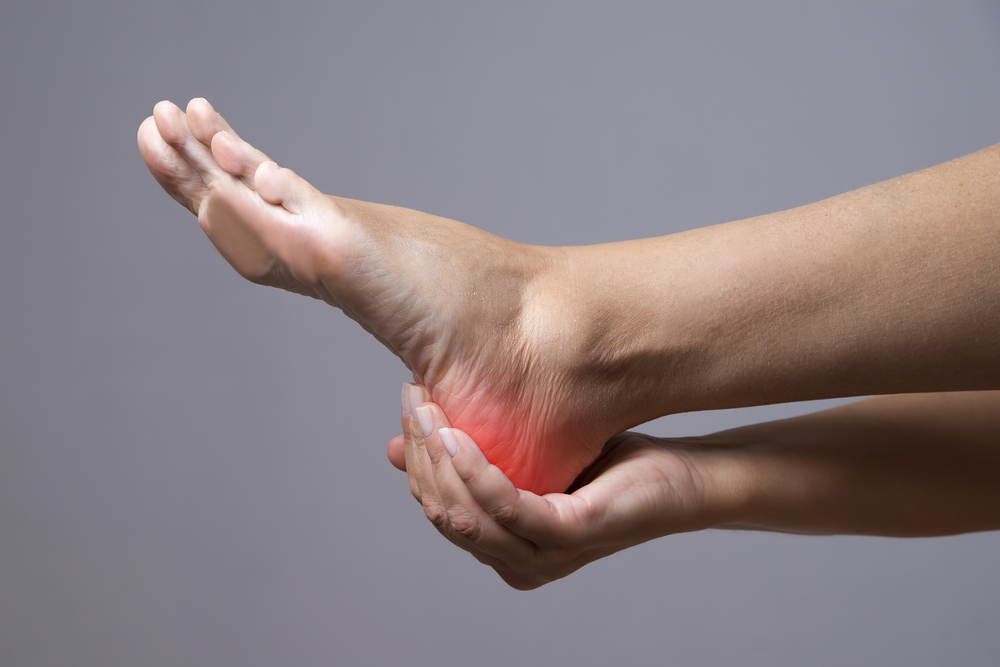
Heel pain—especially in the morning or after standing - is not something to ignore. It’s often an early warning sign that your feet are under too much stress or that something isn’t functioning properly.
The good news? Most causes are manageable if addressed early. By listening to your body and making small adjustments, you can prevent long-term damage and keep moving comfortably.