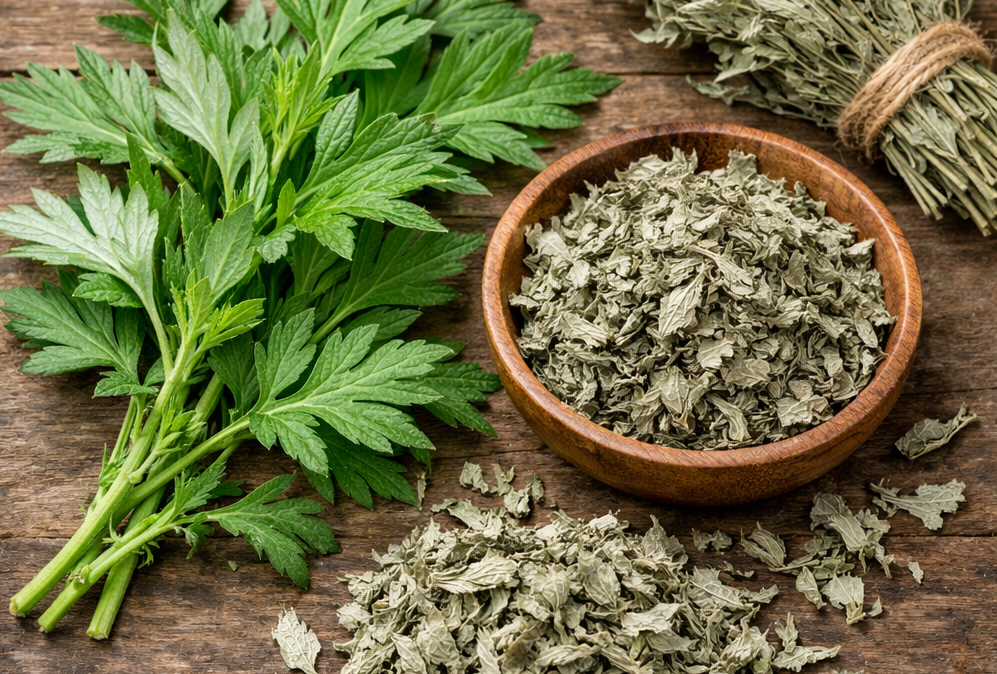
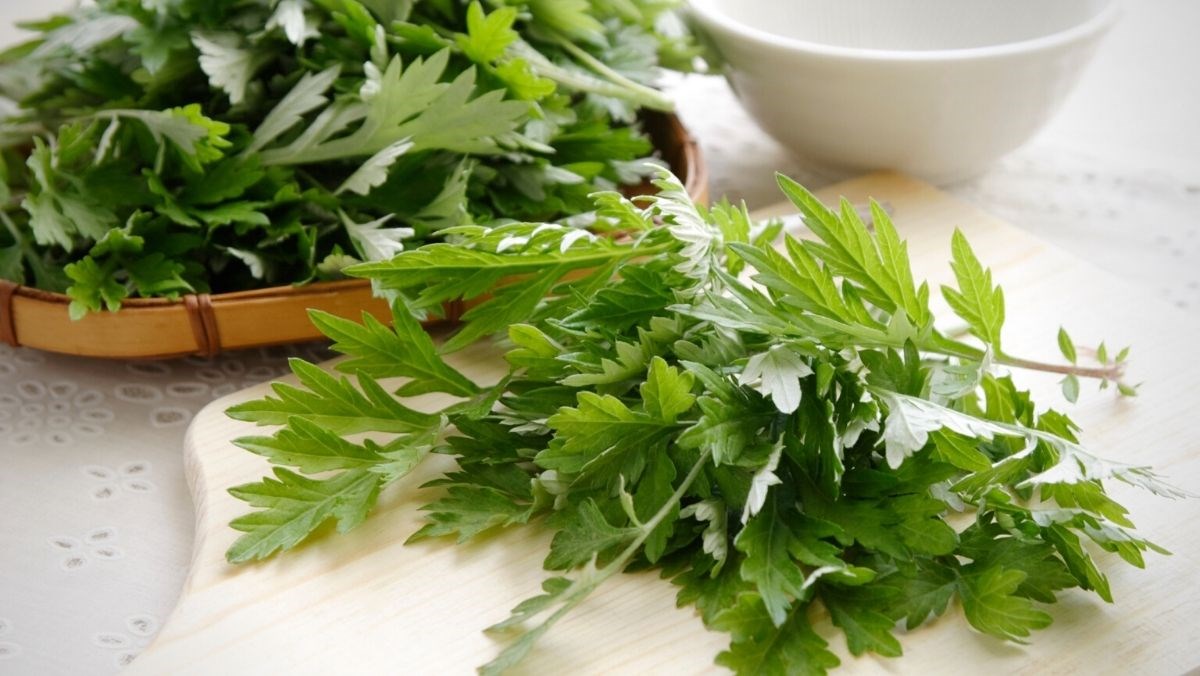
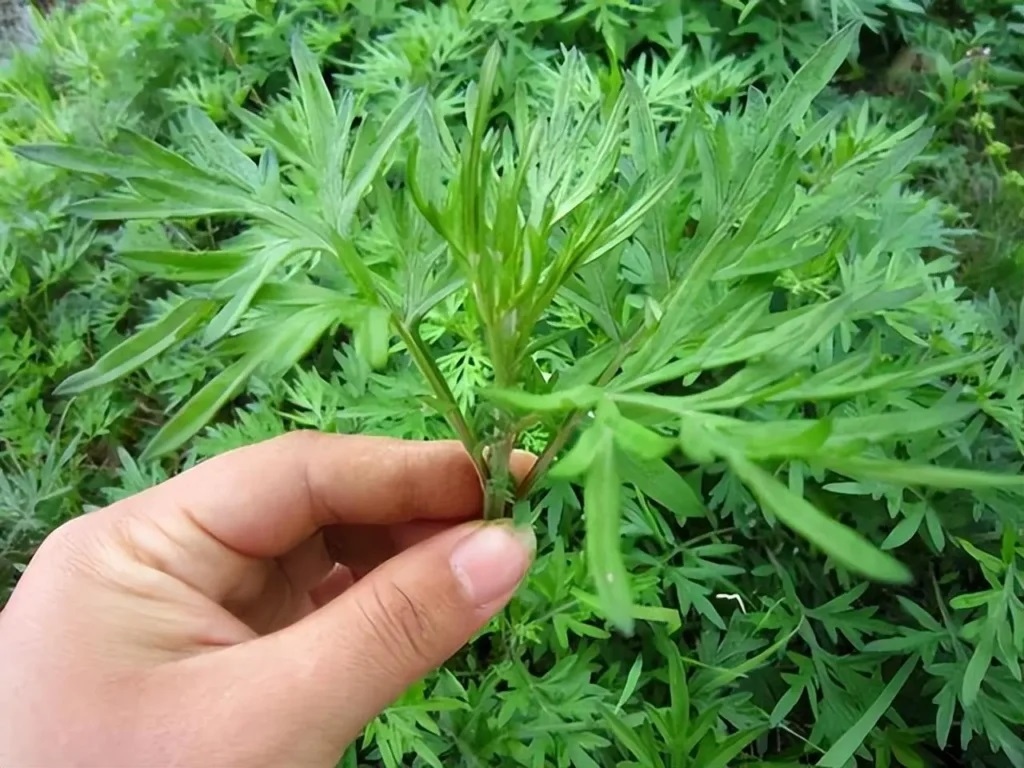
Wormwood, scientifically known as Artemisia absinthium, is one of those plants that people often overlook - until they discover just how potent it can be. With its silvery-green leaves and intensely bitter taste, wormwood has been used for centuries in traditional medicine across Europe, Asia, and the Middle East.
Despite its modest appearance, wormwood carries a reputation as a powerful natural remedy, especially for digestive health, parasite control, and inflammation. However, like many potent herbs, its benefits come with important cautions.
🌿 What Is Wormwood?
Wormwood is a perennial herb belonging to the Artemisia genus. It has a long history of use in herbal medicine and is perhaps most famously known as a key ingredient in the spirit Absinthe.
Its defining feature is its bitterness—one of the strongest among medicinal plants. This bitterness is not just a taste characteristic; it plays a key role in its therapeutic effects.
💪 1. Supports Digestive Health
Wormwood is widely known as a “bitter tonic.” Bitter compounds stimulate the digestive system by:
- Increasing saliva production
- Enhancing stomach acid secretion
- Promoting bile flow
This can help improve digestion, especially in people who experience bloating, indigestion, or loss of appetite.
🦠 2. Traditionally Used Against Parasites
Historically, wormwood has been used to help expel intestinal parasites. Certain compounds in the plant have antimicrobial and antiparasitic properties.
In traditional medicine systems, wormwood was often combined with other herbs to support gut cleansing. However, modern use should be cautious and guided.
🔥 3. Anti-Inflammatory Properties
Wormwood contains compounds that may help reduce inflammation in the body. This can be beneficial for:
- Digestive tract irritation
- Mild joint discomfort
- General inflammatory responses
Its effects are linked to bioactive substances such as flavonoids and sesquiterpene lactones.
🛡️ 4. Antioxidant Support
Like many medicinal herbs, wormwood provides antioxidant benefits. These compounds help protect cells from oxidative stress, which is associated with aging and chronic diseases.
🧠 5. Potential Effects on the Nervous System
Wormwood has been traditionally used to:
- Stimulate mental clarity
- Reduce fatigue
- Support overall vitality
However, this is also where caution is necessary, as some compounds can affect the nervous system if taken in large amounts.
⚠️ Important Warning: Not for Overuse
Here’s where things get serious.
Wormwood contains a compound called Thujone, which can be toxic in high doses.
Excessive or prolonged use may lead to:
- Nausea and dizziness
- Nervous system disturbances
- In severe cases, toxicity
Because of this:
- Wormwood should never be used long-term without guidance
- It is not recommended for pregnant or breastfeeding individuals
- Dosage must be carefully controlled
This is not a casual herb—it’s a potent one.
🍵 How Wormwood Is Used
Wormwood is typically consumed in controlled forms:
- Herbal tea (in very small amounts)
- Tinctures or extracts
- Capsules (standardized doses)
Due to its bitterness, it’s often blended with other herbs to make it more palatable.
⚖️ Benefits vs. Risks
Wormwood sits in a unique category of herbal medicine: highly effective, but not universally safe for casual use.
Benefits:
- Strong digestive support
- Antimicrobial properties
- Potential anti-inflammatory effects
Risks:
- Toxicity if overused
- Possible interactions with medications
- Not suitable for everyone
💡 Final Thoughts
Wormwood is a perfect example of nature’s dual nature - powerful, but requiring respect. Its long history in traditional medicine speaks to its effectiveness, especially for digestive and microbial concerns. At the same time, its potency means it must be used wisely.
In a world full of mild, everyday herbs, wormwood stands out as something stronger - something that demands understanding before use.
Sometimes, the most underestimated plants are the ones with the most profound effects but only when handled with care.