Your liver is one of the hardest-working organs in your body. It processes nutrients, filters toxins, regulates metabolism, and supports digestion. But unlike other organs, the liver doesn’t usually show obvious signs when it’s under stress - until the damage becomes serious.
One of the most common conditions today is fatty liver disease, where excess fat builds up in liver cells. The surprising part? It’s often caused not by rare diseases, but by everyday habits that seem harmless.
Let’s break down the 10 major lifestyle factors that can quietly damage your liver over time.
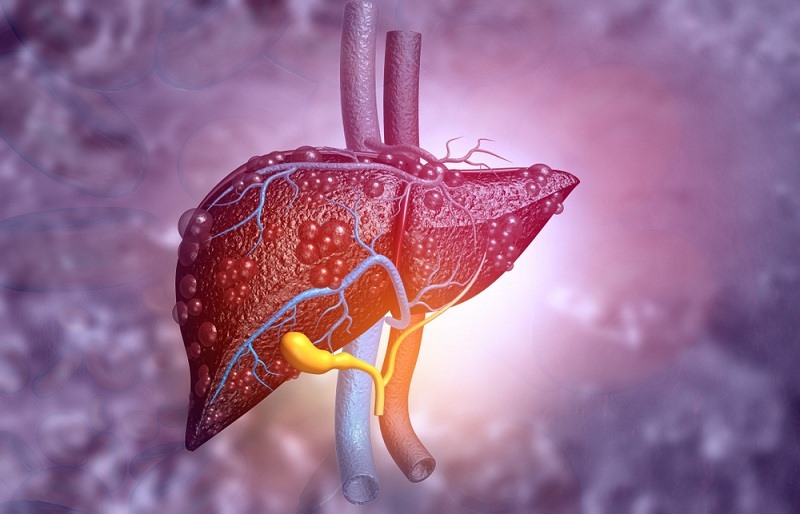
⚠️ What Is Fatty Liver?
Fatty liver occurs when fat makes up more than 5–10% of your liver’s weight. It can be:
- Alcohol-related (from excessive drinking)
- Non-alcoholic (linked to diet and lifestyle)
If left unmanaged, it can progress to inflammation, fibrosis, or even cirrhosis.
🚨 10 Everyday Habits That Harm Your Liver
1. Excessive Sugar Intake
Consuming too much sugar—especially fructose from soft drinks and processed foods—can overload the liver. Excess sugar is converted into fat and stored in liver cells.
2. Sedentary Lifestyle
Lack of physical activity slows down metabolism and promotes fat accumulation, including in the liver.
3. Frequent Alcohol Consumption
Alcohol is directly processed by the liver. Drinking regularly—even in moderate amounts—can lead to fat buildup and liver inflammation over time.
4. Overeating Processed Foods
Fast food, fried items, and packaged snacks are often high in unhealthy fats and additives that strain the liver.
5. Being Overweight or Obese
Excess body fat is strongly linked to fatty liver. The liver becomes a storage site for surplus fat when the body’s capacity is exceeded.
6. Skipping Meals or Crash Dieting
Extreme dieting can disrupt metabolism and lead to fat redistribution, sometimes increasing fat accumulation in the liver.
7. Overuse of Medications
Frequent or improper use of certain medications (like painkillers) can stress the liver, as it is responsible for breaking down these substances.
8. Poor Sleep Habits
Chronic sleep deprivation affects hormone balance and metabolism, increasing the risk of fat storage in the liver.
9. High Intake of Refined Carbohydrates
White bread, pastries, and other refined carbs spike blood sugar levels, leading to increased fat production in the liver.
10. Chronic Stress
Long-term stress can affect hormonal balance, appetite, and lifestyle habits—all of which indirectly contribute to liver fat accumulation.
🧠 Why These Habits Are So Dangerous
The liver is highly adaptable. It can handle occasional stress. But when these habits become daily routines, the liver is forced to:
- Process excess toxins
- Store more fat than it can handle
- Work harder without proper recovery
Over time, this leads to silent damage.
🛡️ How to Protect Your Liver
The good news: fatty liver is often reversible—especially in its early stages.
Key steps:
- Reduce sugar and processed food intake
- Exercise regularly (even 30 minutes a day helps)
- Maintain a healthy weight
- Limit alcohol consumption
- Stay hydrated
- Prioritize good sleep
🚨 When to Take Action
You may not feel symptoms early on, but watch for:
- Persistent fatigue
- Discomfort in the upper right abdomen
- Unexplained weight changes
Regular health checkups can detect fatty liver before it becomes serious.
💡 Final Thoughts
Fatty liver disease doesn’t happen overnight - it develops from small, repeated habits. What you eat, how you move, how you sleep all of it adds up.
The key isn’t perfection. It’s awareness and consistency. By adjusting daily habits, you can protect your liver, improve your energy, and prevent long-term complications.
Your liver won’t complain loudly but it will always respond to how you treat it.