Stomach cancer (gastric cancer) often develops quietly. In its early stages, symptoms can be mild and easily confused with common digestive issues like gastritis or indigestion. That’s exactly why it’s dangerous - people tend to ignore the early signals until the disease has progressed.
Recognizing the warning signs early doesn’t mean jumping to conclusions. It means paying attention and acting in time. Below are six symptoms that should never be overlooked.

1. Persistent Indigestion or Stomach Discomfort
Occasional indigestion is normal. But when it becomes frequent or long-lasting, it deserves attention.
What to watch for:
- Burning sensation in the upper abdomen
- Ongoing discomfort after eating
- Feeling uneasy even with light meals
Why it matters:
Chronic irritation in the stomach lining can sometimes be linked to more serious underlying conditions.
2. Feeling Full Quickly (Early Satiety)
One of the more specific warning signs is feeling full after eating very little.
What it feels like:
- You can’t finish normal portions
- A few bites make you feel “stuffed”
- Loss of appetite follows
Why it matters:
This may indicate that something is affecting the stomach’s ability to expand or function normally.

3. Unexplained Weight Loss
Losing weight without trying is always a red flag.
Signs:
- Noticeable weight drop over weeks or months
- No changes in diet or activity level
Why it happens:
Cancer can alter metabolism and reduce appetite, leading to unintended weight loss.
4. Nausea or Vomiting
Frequent nausea—especially without a clear cause—should not be ignored.
Warning signs:
- Persistent nausea
- Vomiting after meals
- In some cases, vomiting blood (a serious emergency sign)
Why it matters:
This may indicate irritation, blockage, or bleeding in the stomach.
5. Fatigue and Weakness
Ongoing fatigue can be more than just being tired.
What to look for:
- Low energy levels
- Feeling weak even after rest
- Difficulty maintaining daily activities
Why it happens:
Internal bleeding or poor nutrient absorption can lead to anemia, causing fatigue.
6. Blood in Stool or Dark Stools
Changes in stool color can signal internal bleeding.
Warning signs:
- Black, tar-like stools
- Visible blood in stool
Why it matters:
This may indicate bleeding somewhere in the digestive tract, including the stomach.
Why These Symptoms Are Often Ignored
Many of these signs overlap with common conditions like:
- Gastritis
- Acid reflux
- Minor digestive issues
Because of this, people often:
- Self-medicate
- Delay medical checkups
- Assume it’s nothing serious
This delay can allow the disease to progress.
When Should You See a Doctor?
You should seek medical advice if:
- Symptoms persist for more than 2–3 weeks
- They worsen over time
- Multiple symptoms appear together
Early testing (such as endoscopy) can detect issues before they become severe.
Who Is at Higher Risk?
Risk factors include:
- Smoking
- Diet high in processed or salty foods
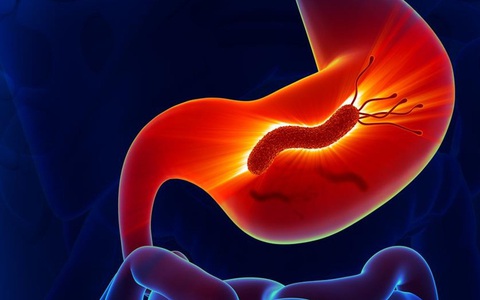
- Chronic stomach infections (like H. pylori)
- Family history of stomach cancer
Even without these factors, awareness is still important.
Final Take
These symptoms do not automatically mean stomach cancer - but they are signals your body should not ignore.
- Persistent discomfort
- Sudden changes in appetite
- Unexplained weight loss
The key is not fear - it’s awareness and timely action.
Because when it comes to serious diseases, early attention can make all the difference.