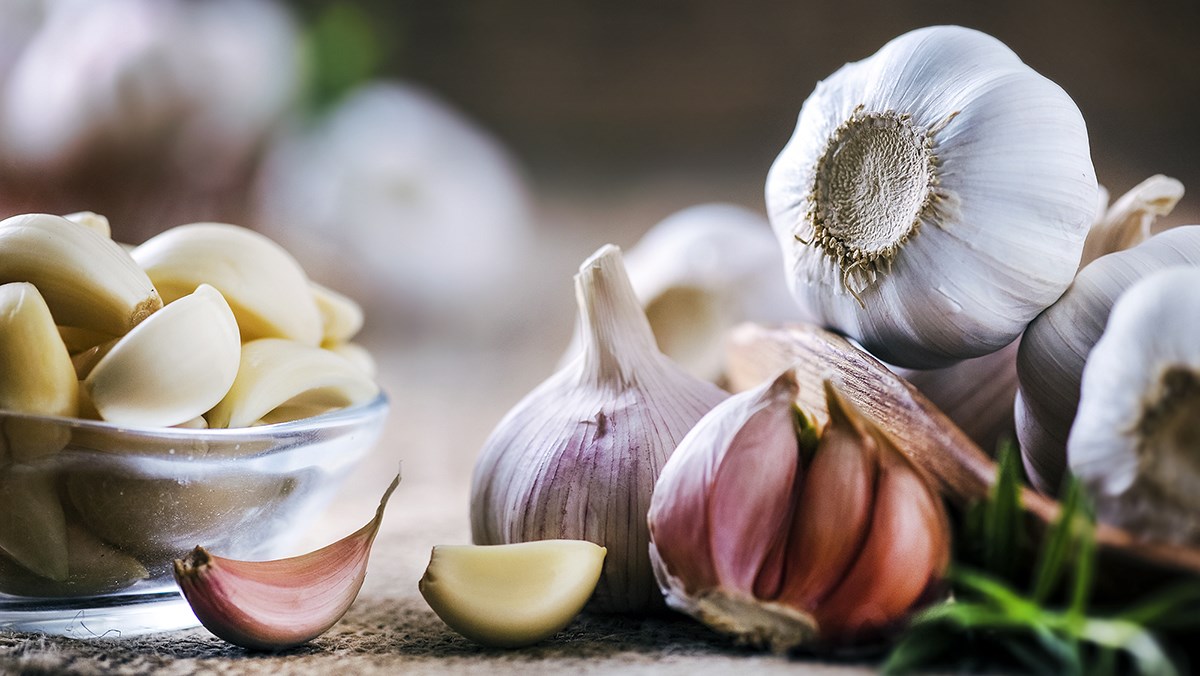
Garlic is widely known for its immune-supporting properties. It contains sulfur compounds, particularly allicin, which are believed to have antibacterial, antiviral, and antifungal effects. Because of these properties, garlic has long been considered a natural defense against infections.
Regular consumption of garlic may help the immune system respond more effectively when the body encounters viruses. Although garlic cannot completely prevent colds or flu, some research suggests it may reduce the severity or duration of symptoms.
Garlic is also beneficial for respiratory health. Its natural compounds may help reduce inflammation in the airways and support easier breathing. During winter, garlic is commonly used in soups, stews, broths, and many cooked dishes, making it easy to include in the daily diet.
3. Citrus Fruits
Citrus fruits such as oranges, lemons, grapefruits, and tangerines are well known for their high vitamin C content. Vitamin C is an important nutrient that supports the immune system by helping white blood cells function properly.
While vitamin C cannot fully prevent the common cold, it may help shorten the duration of symptoms and support the body during infection. It also acts as a powerful antioxidant that protects cells from damage caused by inflammation.
During illness, citrus fruits can also help maintain hydration and provide a refreshing taste when appetite is low. Warm lemon water, for example, is often used as a home remedy to soothe sore throats and help loosen mucus. Including citrus fruits in the diet during winter is a simple way to increase vitamin intake and support overall health.

4. Chicken Soup
Chicken soup has long been considered a comforting remedy during illness, and modern research suggests there may be real benefits behind this traditional belief. Warm soup helps keep the body hydrated and may temporarily relieve nasal congestion by helping mucus flow more easily.
Chicken provides protein, which the body needs to repair tissues and support immune function. When chicken soup includes vegetables such as carrots, onions, celery, and garlic, it becomes a nutrient-rich meal filled with vitamins and minerals that support recovery.
Another advantage of chicken soup is that it is easy to eat when someone feels weak or has little appetite. The warm broth can soothe the throat and provide energy without putting stress on digestion. For many people, chicken soup remains one of the most comforting foods during cold and flu season.

5. Honey
Honey is a natural ingredient that has been used for centuries to treat sore throats and coughs. Its thick texture coats the throat and creates a soothing layer that can reduce irritation and calm persistent coughing.
In addition to its soothing effect, honey contains antioxidants and natural antibacterial compounds that may support the body’s healing process. Many people add honey to warm drinks such as herbal tea, lemon water, or ginger tea during winter illnesses.
Research has also suggested that honey may help reduce nighttime coughing, which can improve sleep quality for people suffering from colds. Better sleep allows the body to focus its energy on recovery.
However, honey should never be given to infants under one year old due to safety concerns. For older children and adults, moderate consumption of honey can be a helpful natural remedy during cold and flu season.

6. Yogurt
Yogurt is another food that may help support the immune system during winter illness. It contains probiotics, which are beneficial bacteria that support gut health. The digestive system plays an important role in immunity, and maintaining a healthy balance of gut bacteria may help the body respond better to infections.
Probiotics found in yogurt may help regulate immune activity and support the body’s natural defenses. In addition to probiotics, yogurt contains protein, calcium, and vitamin D, which contribute to overall health and recovery.
During illness, yogurt can be an easy food to eat when appetite is low. Plain yogurt is generally recommended because it contains fewer added sugars. It can be combined with fruit, honey, or nuts to create a balanced and nutritious snack.

Conclusion
Winter often brings an increased risk of colds and flu, but maintaining a healthy diet can help the body stay strong and recover more effectively. Foods such as ginger, garlic, citrus fruits, chicken soup, honey, and yogurt contain nutrients and natural compounds that support the immune system and help relieve certain symptoms.
Although these foods cannot completely prevent illness, they can provide valuable nutritional support during recovery. When combined with adequate rest, hydration, and proper medical care when necessary, these winter foods can help the body cope with seasonal infections more comfortably.
Making thoughtful food choices during the colder months is a simple yet powerful way to support overall health and strengthen the body’s natural defenses against winter illnesses.